Peripheral Nerve Stimulation at Vertex Pain Physicians: A Modern Approach to Nerve Pain
Chronic nerve pain can affect nearly every part of daily life. Burning, shooting, tingling, electric, or stabbing sensations may make it difficult to walk, sleep, work, exercise, or enjoy time with family. For some patients, even light touch or normal movement can trigger severe discomfort.
Traditional nerve pain treatment may include medication, physical therapy, injections, activity changes, and other pain management procedures. While these options help many people, some patients continue to experience pain despite trying several treatments.
Peripheral nerve stimulation is a modern interventional pain management option that may help selected patients with chronic nerve-related pain. It works by delivering mild electrical stimulation near a specific peripheral nerve involved in the pain.
At Vertex Pain Physicians San Antonio, patients receive personalized evaluations to identify the source of pain and determine which treatment may be appropriate. If you are searching for peripheral nerve stimulation San Antonio TX, a nerve pain doctor San Antonio, or an interventional pain specialist San Antonio, a detailed evaluation can help determine whether this therapy may fit your condition.
What Is Peripheral Nerve Stimulation?
Peripheral nerve stimulation, commonly called PNS, is a form of neuromodulation used to help manage certain types of chronic pain. Neuromodulation means using electrical stimulation to influence how nerves communicate pain signals.
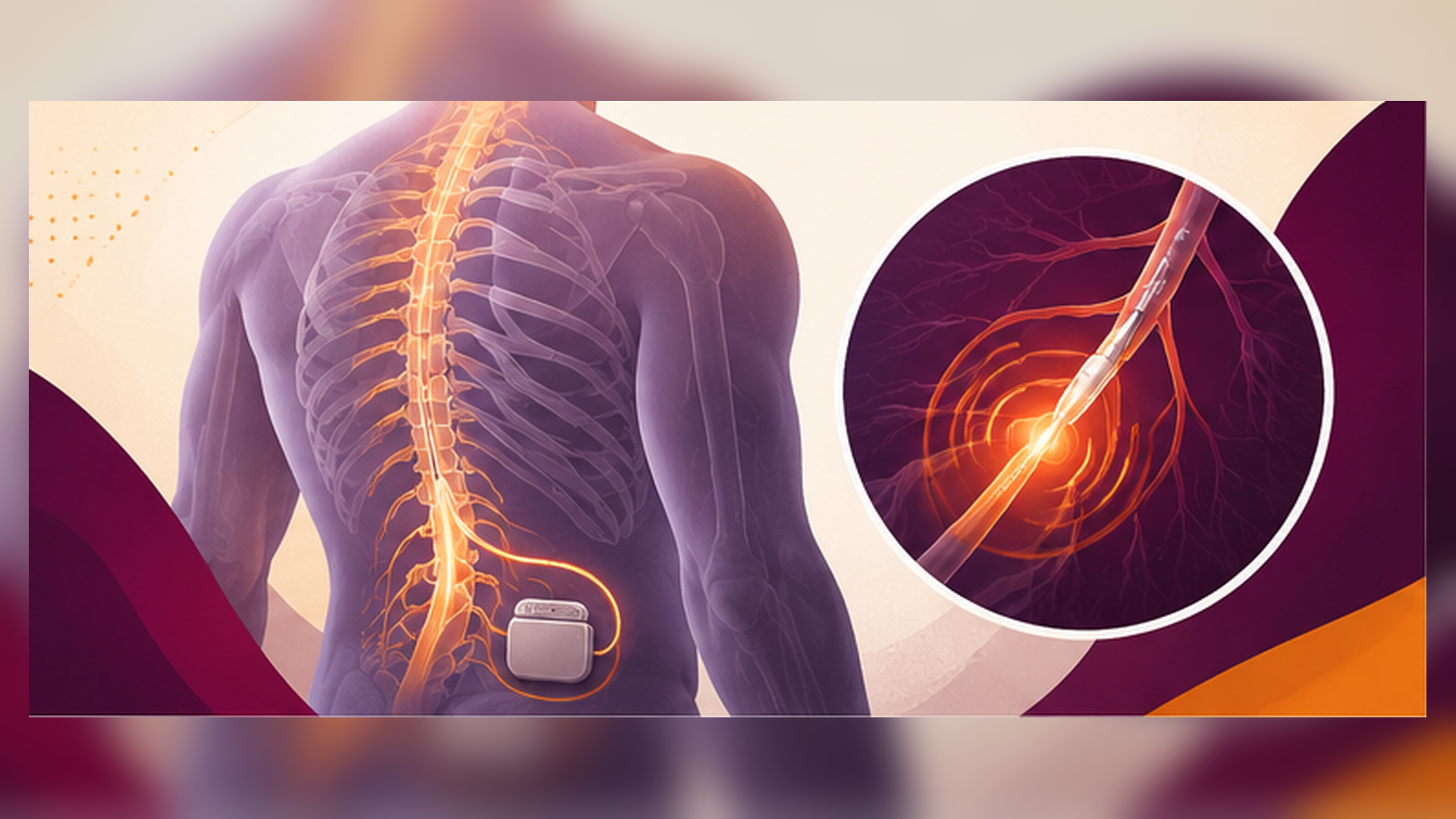
During peripheral nerve stimulation therapy, a small lead is positioned near a targeted peripheral nerve. The lead delivers mild electrical impulses intended to change or interrupt pain signals before they are fully processed by the brain.
Peripheral nerves are the nerves located outside the brain and spinal cord. They carry information between the central nervous system and the rest of the body.
A peripheral nerve stimulation system may include:
- A small electrical lead placed near the targeted nerve
- An external or implanted pulse generator, depending on the system
- Adjustable stimulation settings
- A controller used to manage therapy
- Follow-up visits for programming and monitoring
The exact device and treatment process may vary. Some peripheral nerve stimulator systems are temporary, while others may be designed for longer-term use.
How Does Peripheral Nerve Stimulation Work?
Peripheral nerve stimulation therapy targets a specific nerve believed to be contributing to chronic pain. Mild electrical signals are delivered near that nerve to influence the way pain messages travel through the nervous system.
The goal is not to destroy the nerve or permanently numb the area. Instead, the stimulation is intended to modify abnormal pain signaling.
Some patients describe the therapy as producing a mild tingling sensation, while certain systems may provide stimulation that is not strongly felt.
Peripheral nerve stimulation may help by:
- Changing pain signals traveling through the nerve
- Reducing nerve-related pain sensations
- Improving movement and daily function
- Helping patients rely less on medication when appropriate
- Supporting rehabilitation or physical therapy
- Providing targeted pain management
- Addressing pain without major spine surgery
Results vary between patients. Peripheral nerve stimulation is not a cure for every nerve condition, but it may be an option when more conservative care has not provided enough relief.
What Does Nerve Pain Feel Like?
Nerve pain often feels different from muscle soreness or joint pain. It may follow the path of a specific nerve and travel into an arm, leg, hand, foot, shoulder, or another part of the body.
The medical term for pain caused by nerve damage or irritation is neuropathic pain.
Common nerve pain symptoms include:
- Burning pain
- Shooting or stabbing pain
- Electric shock-like sensations
- Tingling or pins and needles
- Numbness
- Increased sensitivity to touch
- Pain that travels along a nerve pathway
- Weakness in some cases
- Pain that continues after an injury has healed
A nerve pain doctor San Antonio patients visit can evaluate whether symptoms are caused by a peripheral nerve, spinal nerve, joint problem, muscle condition, or another source.
What Types of Pain May Be Treated With Peripheral Nerve Stimulation?
Peripheral nerve stimulation may be considered for selected chronic pain conditions involving a specific peripheral nerve or localized pain area.
The treatment is not appropriate for every type of chronic pain. A clear diagnosis and identifiable nerve target are important when evaluating candidacy.
Conditions that may lead to a PNS evaluation include:
- Chronic peripheral nerve pain
- Pain after surgery
- Pain following a traumatic nerve injury
- Certain shoulder pain conditions
- Selected knee pain conditions
- Certain hip or lower-extremity pain patterns
- Occipital nerve-related pain
- Persistent pain after other treatments
- Localized neuropathic pain
- Post-amputation or residual limb pain in selected patients
The availability and appropriateness of peripheral nerve stimulation depend on the patient’s condition, medical history, previous treatments, and the specific device being considered.
Peripheral Nerve Stimulation for Post-Surgical Pain
Some patients continue to experience nerve pain after surgery, even after the surgical area has healed. This may happen when a nerve becomes irritated, injured, trapped in scar tissue, or overly sensitive.
Post-surgical nerve pain may feel burning, stabbing, numb, or electric. It may remain in one area or travel along a nerve pathway.
Peripheral nerve stimulation therapy may be considered when the pain can be linked to a specific peripheral nerve and other treatments have not provided adequate relief.
Before recommending PNS, a specialist may review surgical records, symptoms, physical findings, imaging, previous injections, and medication response.
Peripheral Nerve Stimulation for Shoulder or Knee Pain
Certain chronic shoulder or knee pain patterns may involve peripheral nerves that carry pain signals from the affected area.
For example, a patient may continue to experience severe shoulder or knee pain even after physical therapy, medication, injections, or surgery. In carefully selected cases, peripheral nerve stimulation may be considered as part of a broader pain management plan.
PNS may be discussed when:
- Pain has lasted for several months
- Conservative care has not helped enough
- Surgery is not recommended or has already been performed
- Pain appears to involve a specific nerve
- Pain limits walking, reaching, sleep, or daily movement
- Medication causes difficult side effects
- The patient wants to explore minimally invasive options
A full evaluation is needed because joint pain may also come from arthritis, tendon damage, inflammation, instability, or structural conditions that require a different treatment.
Who May Be a Good Candidate for Peripheral Nerve Stimulation?
Good candidates for peripheral nerve stimulation generally have chronic, localized pain that appears to involve a specific peripheral nerve. They may have tried medications, therapy, injections, or other treatments without enough improvement.
Patient selection is important. The treatment should be matched to the diagnosis rather than used as a general solution for all chronic pain.
You may be evaluated for PNS if you have:
- Chronic nerve pain lasting several months
- Burning, shooting, or electric pain
- Pain linked to a specific nerve
- Pain that has not improved with conservative treatment
- Medication side effects or limited medication relief
- Pain that limits movement, sleep, or work
- A condition that may respond to neuromodulation
- Realistic expectations about treatment
An interventional pain specialist San Antonio patients trust can explain whether your pain pattern may respond to peripheral nerve stimulation.
When Peripheral Nerve Stimulation May Not Be Appropriate
Peripheral nerve stimulation is not right for every patient. It may not help when pain is not related to a peripheral nerve or when another condition is the primary cause.
For example, severe joint damage, unstable fractures, active infection, progressive neurological problems, or certain spine conditions may require a different treatment approach.
PNS may not be appropriate when:
- The source of pain has not been identified
- Pain is caused mainly by severe joint destruction
- There is an active infection
- The patient cannot safely undergo the procedure
- There are uncontrolled bleeding risks
- The pain is expected to improve with simpler treatment
- A surgical emergency is present
- Follow-up care cannot be maintained
The pain specialist will review medical conditions, medications, implanted devices, infection risk, and treatment goals before recommending therapy.
What Happens During Peripheral Nerve Stimulation Therapy?
The exact procedure depends on the device and nerve being treated. Peripheral nerve stimulation is generally performed using image guidance to help position the lead near the targeted nerve.
The skin is cleaned, and numbing medication may be used. A thin lead is carefully guided near the nerve. The system is then tested or programmed to deliver stimulation.
During the procedure, patients may feel:
- A pinch from numbing medication
- Mild pressure
- Temporary discomfort
- Tingling near the targeted nerve
- Familiar pain sensations during testing
- Mild soreness after lead placement
Many PNS procedures are completed in an outpatient setting. Patients typically receive instructions about activity, wound care, device use, and follow-up.
Temporary vs Longer-Term Peripheral Nerve Stimulation
Peripheral nerve stimulation systems are not all the same. Some therapies use a temporary lead for a defined treatment period. Other systems may involve a longer-term implant.
A temporary system may allow stimulation to be delivered for several weeks before the lead is removed. Longer-term systems may remain implanted and require ongoing programming or device management.
The recommended system may depend on:
- The nerve being treated
- The cause of pain
- Expected treatment duration
- Previous response to nerve blocks
- Patient preference
- Overall health
- Insurance or coverage requirements
- The device approved for the intended use
Your provider should explain the specific system being recommended, how long it will remain in place, and what follow-up is required.
What are the Benefits of Peripheral Nerve Stimulation?
The main advantage of peripheral nerve stimulation is that it targets a particular peripheral nerve or localized pain area. This makes it different from treatments that affect the entire body.
For selected patients, PNS may offer another option when medication, therapy, or injections have not provided lasting relief.
Potential benefits may include:
- Targeted nerve pain treatment
- Minimally invasive lead placement
- Reduced pain in selected patients
- Improved daily function
- Better participation in physical therapy
- Reduced reliance on medication when appropriate
- Treatment without major spine surgery
- Adjustable stimulation settings
- Temporary and longer-term options, depending on the system
Benefits cannot be guaranteed. Some patients experience meaningful relief, while others may have limited or no improvement.
What are the Risks of a Peripheral Nerve Stimulator?
Like any medical procedure, peripheral nerve stimulation has possible risks. These should be discussed before treatment.
Risks may vary depending on the device, lead location, treatment duration, and patient health.
Possible risks may include:
- Infection
- Bleeding or bruising
- Temporary soreness
- Lead movement
- Lead breakage or device problems
- Skin irritation
- Uncomfortable stimulation
- Nerve irritation or injury
- Inadequate pain relief
- Need for lead removal or revision
Patients should contact their provider if they develop fever, drainage, worsening redness, severe swelling, new weakness, loss of sensation, or rapidly worsening pain.
Peripheral Nerve Stimulation vs Spinal Cord Stimulation
Peripheral nerve stimulation and spinal cord stimulation are both forms of neuromodulation, but they target different parts of the nervous system.
Peripheral nerve stimulation places a lead near a specific peripheral nerve. Spinal cord stimulation places leads near the spinal cord to influence broader pain pathways.
Peripheral nerve stimulation may be considered when:
- Pain is localized
- A specific peripheral nerve can be identified
- Pain affects a defined body area
- More targeted therapy is preferred
Spinal cord stimulation may be considered when:
- Pain covers a broader area
- Chronic back and leg pain are involved
- Pain persists after spine surgery
- Multiple nerve pathways contribute to symptoms
- A broader neuromodulation approach is needed
One therapy is not automatically better than the other. The right option depends on the diagnosis and pain pattern.
PNS Compared With Nerve Blocks and Injections
Nerve blocks and injections usually place medication near a nerve or painful structure. They may reduce inflammation, temporarily interrupt pain signals, or help confirm the source of pain.
Peripheral nerve stimulation does not rely on injecting anti-inflammatory medication around the nerve for long-term treatment. Instead, it uses electrical stimulation to influence nerve signaling.
A patient may receive a diagnostic nerve block before PNS is considered. A positive response may help show whether the targeted nerve contributes to the pain, although evaluation requirements vary.
Other Nerve Pain Treatment Options
Peripheral nerve stimulation is one of several possible nerve pain treatment options. The most appropriate treatment depends on the source and severity of symptoms.
Other treatments may include:
- Physical therapy
- Activity modification
- Medication management
- Epidural steroid injections
- Peripheral nerve blocks
- Trigger point injections
- Radiofrequency ablation for selected pain patterns
- Spinal cord stimulation
- Treatment of underlying joint or spine conditions
- Intrathecal targeted drug delivery for selected severe pain cases
At Vertex Pain Physicians, treatment is customized rather than based on a single procedure.
When to See a Nerve Pain Doctor in San Antonio
You should consider seeing a nerve pain doctor San Antonio patients trust if burning, tingling, shooting, or electric pain continues for more than a few weeks or interferes with daily activities.
Schedule an evaluation if you have:
- Persistent burning or electric pain
- Pain that travels along an arm or leg
- Numbness or tingling
- Pain after surgery or nerve injury
- Pain that limits walking or sleep
- Medication that is not providing enough relief
- Repeated pain despite injections or therapy
- Questions about peripheral nerve stimulation therapy
Seek urgent care for sudden severe weakness, loss of bladder or bowel control, numbness in the groin area, major trauma, fever, or rapidly worsening neurological symptoms.
Why Choose Vertex Pain Physicians in San Antonio?
Vertex Pain Physicians provides interventional pain management services for patients dealing with acute and chronic pain in San Antonio. The specialists focus on identifying the cause of pain and creating personalized treatment plans.
For patients with chronic nerve pain, care may include evaluating peripheral nerves, spinal nerves, joints, muscles, prior surgeries, injuries, and other possible pain sources.
Patients choose Vertex Pain Physicians for:
- Personalized nerve pain evaluations
- Peripheral nerve stimulation San Antonio TX consultations
- Modern interventional pain management options
- Care for neuropathic and post-surgical pain
- Image-guided pain procedures when appropriate
- Treatment plans based on individual symptoms
- San Antonio pain care focused on comfort and function
If you are searching for a pain management clinic San Antonio or interventional pain specialist San Antonio, Vertex Pain Physicians can help determine whether PNS or another treatment may be appropriate.
Conclusion: Is Peripheral Nerve Stimulation Right for Your Nerve Pain?
Peripheral nerve stimulation is a modern treatment designed to target certain peripheral nerves involved in chronic pain. It uses mild electrical impulses to influence pain signaling and may help selected patients who have not received enough relief from medication, therapy, injections, or other treatments.
A peripheral nerve stimulator is not appropriate for every pain condition. The best candidates usually have a clearly identified nerve-related pain source, realistic expectations, and the ability to follow treatment and aftercare instructions.
If chronic nerve pain is limiting your movement, sleep, work, or daily activities, Vertex Pain Physicians can help you explore available options. To learn more about clinic locations, contact Vertex Pain Physicians. To discuss peripheral nerve stimulation therapy with a San Antonio pain specialist, request an appointment today.
FAQs
What is peripheral nerve stimulation?
Peripheral nerve stimulation is a neuromodulation treatment that delivers mild electrical impulses near a targeted peripheral nerve to help change pain signaling.
How does a peripheral nerve stimulator work?
A small lead is placed near the nerve involved in the pain. The system sends electrical stimulation intended to modify pain signals traveling through that nerve.
What conditions can peripheral nerve stimulation treat?
PNS may be considered for selected chronic nerve pain, post-surgical pain, traumatic nerve pain, and certain localized shoulder, knee, or limb pain conditions.
Is peripheral nerve stimulation surgery?
PNS is generally considered a minimally invasive procedure. A small lead is positioned near the targeted nerve, rather than performing major open surgery.
Is peripheral nerve stimulation permanent?
Some PNS systems are temporary and used for a defined period. Others may be designed for longer-term implantation. The recommended system depends on the condition and device.
Does peripheral nerve stimulation cure nerve pain?
No. PNS does not cure every underlying nerve condition. Its purpose is to help manage pain and improve function in selected patients.
How long does it take for PNS to work?
Some patients may notice changes during the treatment period, while others may require time and programming adjustments. Results and timelines vary.
What are the risks of peripheral nerve stimulation?
Possible risks include infection, bleeding, soreness, lead movement, device problems, nerve irritation, uncomfortable stimulation, or inadequate pain relief.
Where can I get peripheral nerve stimulation in San Antonio TX?
Patients interested in peripheral nerve stimulation San Antonio TX can contact Vertex Pain Physicians for an evaluation and personalized treatment discussion.
How do I know if I am a candidate for PNS?
You may be a candidate if you have chronic localized nerve pain that has not improved enough with conservative treatment. A pain specialist must evaluate your diagnosis, health, and previous treatment response.
Medical Disclaimer
This article is for educational purposes only and should not replace professional medical advice, diagnosis, or treatment. Peripheral nerve stimulation should be considered only after an individual evaluation by a qualified healthcare provider. Seek urgent medical care for sudden weakness, loss of bladder or bowel control, severe numbness, fever, major trauma, or rapidly worsening symptoms.