Back Pain After a Car Accident: Causes and Treatment Options
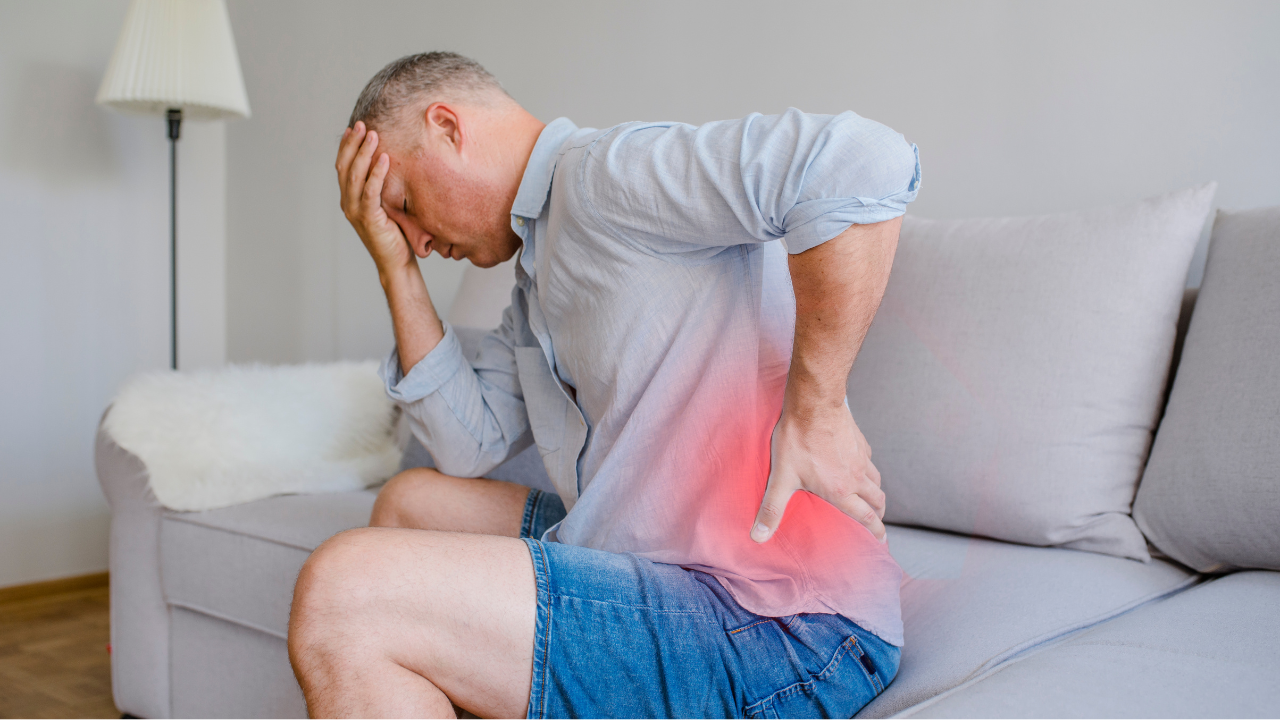
Car accidents often place intense force on the body, especially the spine. Even a minor collision can cause significant strain on muscles, ligaments, and spinal discs. One of the most common complaints following a crash is back pain after car accident injuries. This pain may appear immediately or develop gradually over the following days.
Understanding the causes of accident-related back pain and the available treatment options can help patients recover faster and avoid long‑term complications. Early evaluation and proper care are essential for preventing chronic discomfort and restoring normal mobility.
Why Back Pain Is Common After a Car Accident
During a collision, the body is subjected to sudden acceleration and deceleration forces. These forces can twist the spine, compress discs, and strain surrounding muscles.
Seat belts and airbags protect against severe injury, but they cannot eliminate the pressure placed on the back during impact. As a result, many individuals develop lower back pain after accident trauma.
Pain may begin immediately after the crash or appear hours or days later due to inflammation and muscle stiffness.
Common Causes of Back Pain After a Car Accident
Several types of injuries can contribute to back pain following a collision. Identifying the exact cause is important for choosing the right treatment.
1. Muscle and Ligament Strain
Soft tissue injuries are among the most common results of auto accidents. When the body is suddenly forced forward or sideways, the muscles and ligaments that support the spine may stretch beyond their normal range.
Symptoms may include:
- Muscle stiffness
- Localized pain
- Limited movement
- Tenderness in the back
Although these injuries may seem minor, they can still lead to persistent discomfort if not treated properly.
2. Herniated or Bulging Discs
Spinal discs act as cushions between the vertebrae. The force of an accident can push a disc out of its normal position, causing it to bulge or rupture.
A herniated disc may press on nearby nerves and lead to symptoms such as:
- Sharp lower back pain
- Pain radiating into the legs
- Numbness or tingling
- Weakness in certain muscles
This type of spinal injury after car accident trauma often requires medical evaluation and specialized care.
3. Facet Joint Injuries
Facet joints connect the vertebrae and help control spinal movement. Sudden impact can inflame these joints and cause stiffness or persistent back pain.
Facet joint injuries may make it difficult to bend, twist, or stand for long periods.
4. Spinal Fractures
In severe accidents, the vertebrae themselves may fracture. Compression fractures occur when the bones of the spine collapse under pressure.
Although these injuries are less common, they can cause significant pain and require immediate medical attention.
5. Soft Tissue Inflammation
Even when structural damage is minimal, inflammation in muscles and connective tissue can produce ongoing pain and stiffness. This inflammation may worsen over the first few days following the accident.
Symptoms That Should Not Be Ignored
While mild soreness may improve with time, certain symptoms indicate the need for medical evaluation.
You should consult a doctor if you experience:
- Persistent or worsening back pain
- Pain that radiates down the legs
- Numbness or tingling sensations
- Muscle weakness
- Difficulty standing or walking
These symptoms may indicate a more serious spinal injury after car accident trauma.
Why Early Treatment Is Important
Many accident victims delay treatment because the pain initially seems manageable. However, ignoring symptoms can allow inflammation and nerve irritation to worsen.
Early treatment for back pain after car accident injuries helps:
- Reduce inflammation
- Prevent chronic pain
- Improve mobility
- Identify hidden injuries
Prompt evaluation ensures that appropriate treatment begins before complications develop.
Diagnosis of Accident-Related Back Injuries
A doctor will begin by reviewing the details of the accident and performing a physical examination.
The evaluation may include:
- Checking spinal movement and flexibility
- Testing muscle strength
- Evaluating nerve function
- Reviewing pain patterns
Imaging tests such as X-rays, MRI scans, or CT scans may be ordered if a disc injury or fracture is suspected.
This process helps doctors determine the most effective car accident back injury treatment plan.
Treatment Options for Back Pain After a Car Accident
Treatment depends on the severity of the injury and the patient’s symptoms. In most cases, doctors begin with conservative therapies before considering advanced procedures.
Physical Therapy
Physical therapy is one of the most effective treatments for accident-related back pain. Therapists guide patients through exercises designed to strengthen muscles, improve flexibility, and restore normal movement patterns.
Regular therapy sessions can significantly reduce pain and prevent long-term stiffness.
Medication for Pain and Inflammation
Doctors may recommend medications to control discomfort while the body heals.
These may include:
- Anti-inflammatory medications
- Muscle relaxants
- Pain relievers
Medication helps reduce swelling and allows patients to participate more comfortably in rehabilitation.
Interventional Pain Procedures
If conservative treatments do not provide sufficient relief, doctors may recommend targeted procedures.
These treatments may include:
- Epidural steroid injections
- Facet joint injections
- Nerve blocks
- Trigger point injections
These procedures reduce inflammation and interrupt pain signals, providing relief without surgery.
Lifestyle and Posture Adjustments
Daily habits can also influence recovery. Maintaining proper posture while sitting, standing, and sleeping helps reduce pressure on the spine.
Patients are often advised to:
- Use ergonomic seating
- Avoid heavy lifting
- Maintain gentle physical activity
- Perform stretching exercises
These adjustments support healing and help prevent further injury.
Preventing Chronic Back Pain
Without proper treatment, accident-related back injuries may develop into chronic conditions.
Taking the following steps can reduce the risk of long-term complications:
- Seek medical evaluation soon after the accident
- Follow the recommended treatment plan
- Attend physical therapy sessions
- Maintain healthy posture and body mechanics
Consistent care can significantly improve recovery outcomes.
When to See a Pain Specialist
If pain continues for several weeks or worsens despite initial treatment, consulting a specialist may be necessary.
A back pain doctor near me can perform a more detailed evaluation and recommend advanced therapies tailored to the patient’s condition.
Specialists focus on identifying the underlying cause of pain and providing targeted treatment options that support long-term recovery.
Get Expert Care for Accident-Related Back Pain
If you are experiencing lower back pain after accident injuries, professional care can help identify the cause and provide effective treatment options.
Early care for back pain after car accident injuries can prevent complications and help restore normal mobility.
➡ Find a clinic near you:
Visit our Contact / Locations page to locate the nearest clinic:
https://vertexpainphysicians.com/our-locations/
➡ Request an appointment online:
Schedule a consultation with a specialist here:
https://vertexpainphysicians.com/request-appointment/
Working with a trusted provider offering pain management San Antonio TX services can help ensure proper diagnosis and recovery.
Frequently Asked Questions (FAQs)
1. Is back pain common after a car accident?
Yes. Back pain is one of the most common injuries following a collision because the spine absorbs significant force during impact.
2. How long does back pain last after an accident?
Mild injuries may heal within a few weeks, while more serious conditions involving discs or nerves may take several months to recover.
3. What causes lower back pain after an accident?
Common causes include muscle strain, herniated discs, ligament injuries, and joint inflammation.
4. When should I see a doctor for accident-related back pain?
You should seek medical care if pain persists for several days, worsens, or includes symptoms such as numbness or weakness.
5. What treatments help with car accident back injuries?
Treatments may include physical therapy, medication, injections, and other non-surgical pain management procedures.
Medical Disclaimer: This article is for informational purposes only and should not replace professional medical advice. Always consult a qualified healthcare provider for diagnosis and treatment after a motor vehicle accident.