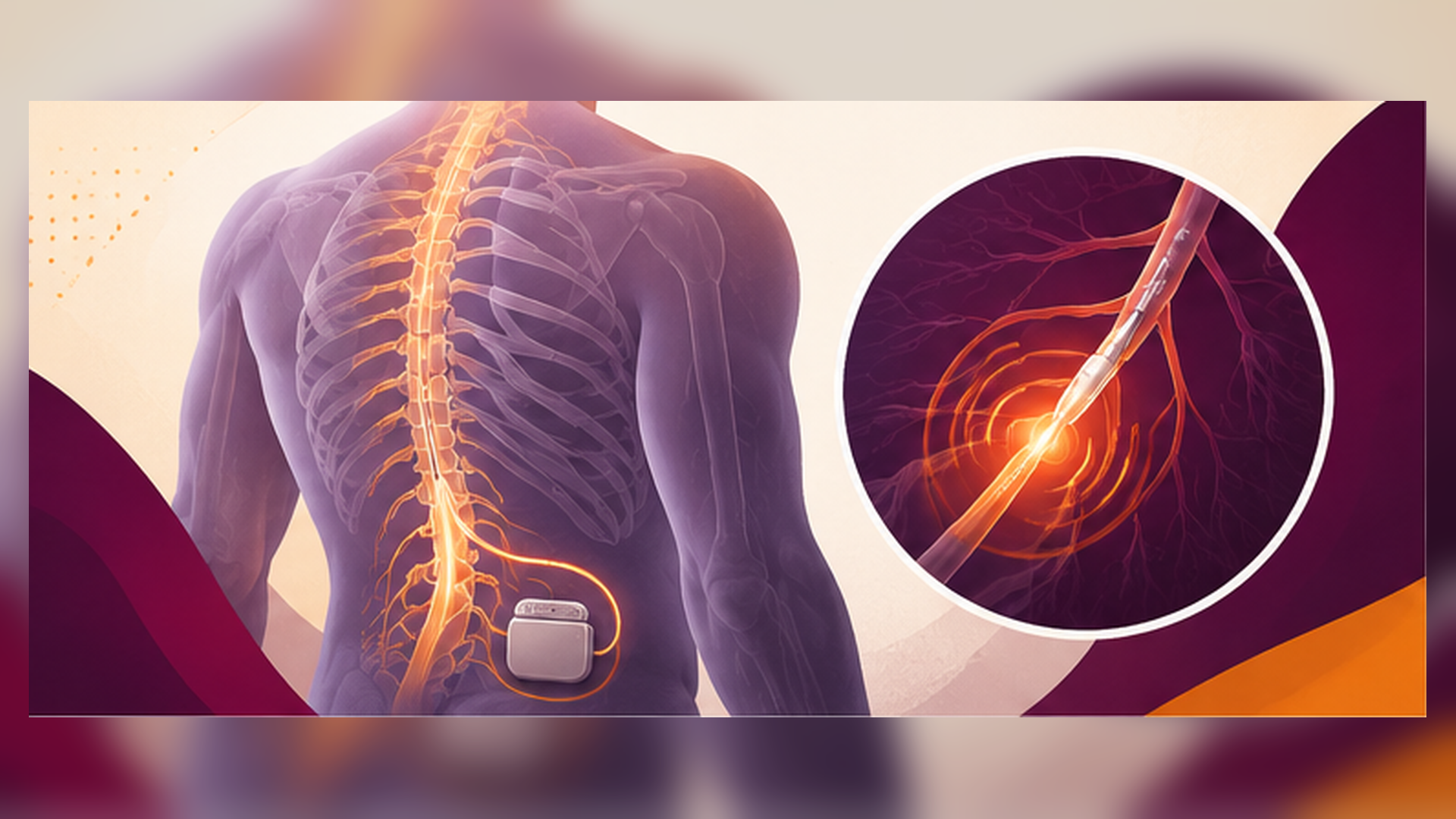
How Interventional Pain Management Helps After Auto Accident Injuries
Car accidents often cause injuries that affect the muscles, joints, nerves, and spine. While some people recover with rest and basic care, others develop persistent pain that interferes with daily life. In these situations, interventional pain management car accident treatments can provide targeted relief and help patients return to normal activities.
Interventional pain management focuses on diagnosing and treating the root cause of pain using minimally invasive procedures. These treatments are designed to reduce inflammation, block pain signals, and support healing without the need for major surgery.
Understanding how these treatments work can help accident victims make informed decisions about their recovery.
What Is Interventional Pain Management?
Interventional pain management is a specialized medical approach that uses image-guided procedures to treat pain directly at its source. Unlike general pain medications that affect the entire body, these treatments target specific nerves, joints, or tissues responsible for discomfort.
For individuals suffering from accident-related injuries, interventional pain management car accident therapies often provide effective relief when traditional treatments are not enough.
These procedures are typically performed by trained pain specialists and are designed to be safe, precise, and minimally invasive.
Common Injuries After Auto Accidents
Auto accidents can place significant stress on the body, particularly the spine and surrounding muscles. Even low-speed collisions may cause injuries that develop into chronic pain if not treated properly.
Some of the most common injuries treated with interventional pain techniques include:
Whiplash and Neck Injuries
Whiplash occurs when the neck rapidly moves back and forth during impact. This motion can strain muscles, ligaments, and joints in the cervical spine.
Symptoms may include neck stiffness, headaches, and reduced mobility.
Back and Spine Injuries
The spine absorbs a large portion of the force during a collision. Patients may experience herniated discs, muscle strain, or joint inflammation.
Nerve Compression
If nerves become irritated or compressed after an accident, patients may feel burning pain, tingling, or numbness in the arms or legs.
Soft Tissue Injuries
Muscles, ligaments, and tendons may develop microscopic tears during impact. These injuries often cause delayed soreness and stiffness.
When these conditions do not improve with conservative care, doctors may recommend advanced treatment options such as spinal injections for accident injuries.
Why Traditional Treatments Are Sometimes Not Enough
Initial treatment for accident injuries often includes rest, physical therapy, and medication. While these approaches are helpful for many patients, they may not fully address the source of pain.
For example, inflammation around spinal nerves or joints may continue to cause discomfort even after the initial injury begins to heal.
In these cases, non surgical pain treatment options offered through interventional pain management can help reduce inflammation and interrupt pain signals.
Types of Interventional Pain Treatments
Pain specialists use a variety of procedures to treat accident-related injuries. These treatments are typically performed on an outpatient basis and require minimal recovery time.
Epidural Steroid Injections
Epidural injections deliver anti-inflammatory medication directly around irritated spinal nerves. This reduces swelling and can relieve pain caused by disc injuries or nerve compression.
These injections are commonly used for patients experiencing radiating pain from the neck or lower back.
Facet Joint Injections
Facet joints connect the vertebrae of the spine and help control movement. Trauma from an accident can cause inflammation in these joints.
Facet joint injections deliver medication directly into the affected area to reduce inflammation and improve mobility.
Trigger Point Injections
Muscle knots, also known as trigger points, often develop after trauma. These tight areas of muscle can cause persistent pain and restricted movement.
Pain injections after car accident injuries such as trigger point injections help relax these muscles and reduce discomfort.
Nerve Blocks
Nerve blocks temporarily interrupt pain signals traveling from injured nerves to the brain. These procedures can provide significant relief for patients with severe nerve pain.
Nerve blocks are often used both as a diagnostic tool and as part of long-term pain management.
Radiofrequency Ablation
For patients with chronic pain that does not respond to other treatments, radiofrequency ablation may be recommended. This procedure uses heat to disrupt specific nerves responsible for transmitting pain signals.
Relief from radiofrequency treatments may last several months or longer.
Benefits of Interventional Pain Management
Many accident victims choose interventional treatments because they provide several important benefits.
Targeted Pain Relief
Unlike medications that affect the entire body, injections target the exact location of pain.
Minimally Invasive Procedures
Most treatments involve small needles and image guidance, meaning patients can avoid major surgery.
Faster Recovery
Many procedures allow patients to resume normal activities within a short period of time.
Reduced Dependence on Medication
Targeted treatments may reduce the need for long-term use of pain medications.
These advantages make interventional procedures an effective option for chronic pain treatment after accident injuries.
When Should You Consider Interventional Treatment?
Patients may benefit from interventional care if they experience:
- Persistent neck or back pain
- Pain that radiates into the arms or legs
- Muscle spasms that do not improve with therapy
- Numbness or tingling caused by nerve irritation
- Limited mobility due to inflammation
A specialist at a pain management clinic San Antonio can evaluate symptoms and determine whether these treatments are appropriate.
What to Expect During a Procedure
Most interventional pain procedures follow a similar process.
First, the doctor reviews the patient’s medical history and performs a physical examination. Imaging tests may be used to identify the exact source of pain.
During the procedure, the physician uses fluoroscopy (a type of X-ray guidance) to place a needle precisely in the affected area. Medication is then injected to reduce inflammation or block pain signals.
The procedure usually takes less than 30 minutes, and patients are able to return home the same day.
Recovery and Rehabilitation
Although injections can provide significant relief, they are often combined with rehabilitation strategies to support long-term healing.
Doctors may recommend:
- Physical therapy
- Stretching exercises
- Posture correction
- Lifestyle modifications
Combining interventional procedures with rehabilitation helps strengthen the body and prevent future injury.
Preventing Chronic Pain After an Accident
Early treatment is one of the most important steps in preventing long-term complications after an accident.
When pain is ignored, inflammation and nerve irritation may continue to worsen. Over time, this can lead to chronic pain conditions that are more difficult to treat.
Seeking professional care from a specialist in interventional pain management car accident injuries can significantly improve recovery outcomes.
Get Expert Care for Auto Accident Pain
If you are experiencing ongoing discomfort after a collision, professional care can help identify the cause and provide targeted treatment options.
Interventional pain procedures offer effective non surgical pain treatment solutions designed to relieve pain and restore mobility.
➡ Find a clinic near you:
Visit our Contact / Locations page to find the nearest clinic and connect with our care team:
https://vertexpainphysicians.com/our-locations/
➡ Request an appointment:
Schedule a consultation with a specialist here:
https://vertexpainphysicians.com/request-appointment/
Early care from an experienced team at a pain management clinic San Antonio can help you recover safely and prevent chronic pain after accident injuries.
Frequently Asked Questions (FAQs)
1. What is interventional pain management?
Interventional pain management is a medical approach that uses minimally invasive procedures such as injections and nerve blocks to treat pain at its source.
2. Are pain injections safe after a car accident?
Yes. When performed by trained specialists, pain injections after car accident injuries are generally safe and can provide significant relief from inflammation and nerve irritation.
3. How long do spinal injections last?
Relief from spinal injections for accident injuries can last from several weeks to several months depending on the condition being treated.
4. Can interventional treatments replace surgery?
In many cases, these procedures provide effective non surgical pain treatment that allows patients to avoid or delay surgery.
5. When should I see a pain specialist after an accident?
If pain persists for several days or interferes with daily activities, consulting a specialist can help identify the cause and recommend appropriate treatment.
Medical Disclaimer: This article is for informational purposes only and should not replace professional medical advice. Always consult a qualified healthcare provider for diagnosis and treatment after a motor vehicle accident.