What Should You Expect After a Joint Injection? Recovery, Activity, and Pain Relief
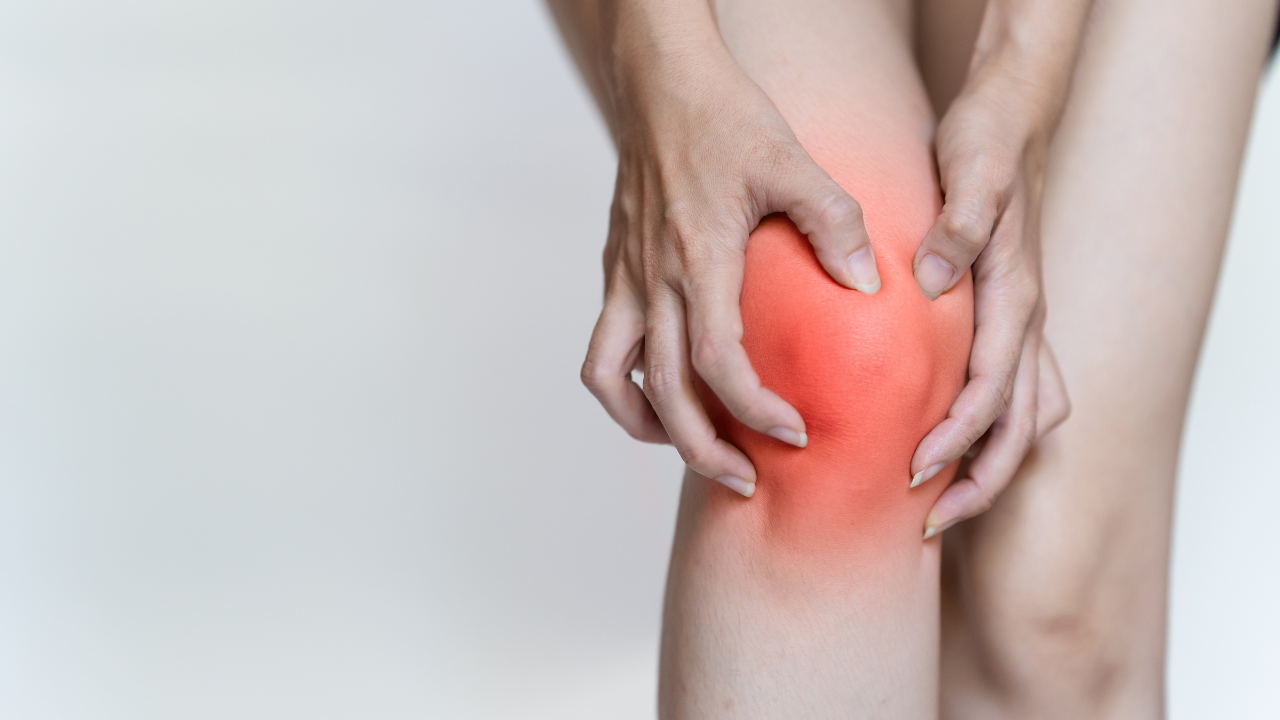
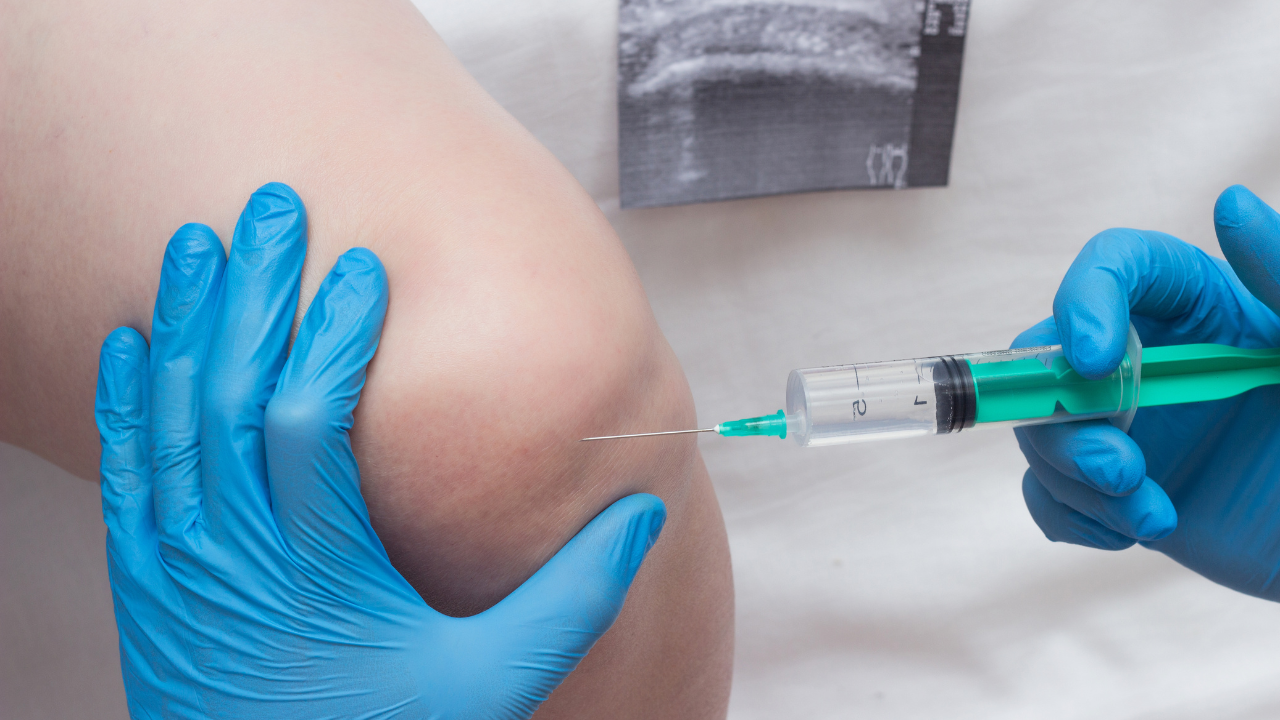
Joint injection recovery is usually brief, but what you experience afterward depends on the joint treated and the medication injected. After a corticosteroid joint injection, mild soreness or a temporary increase in pain can occur for up to a couple of days. Many patients are advised to protect the treated joint for the first day or two and gradually return to normal activity. Pain relief from the steroid may begin after the initial soreness settles rather than immediately.
At Vertex Pain Physicians, our San Antonio pain-management team provides image-guided joint injections for selected patients with knee, hip, shoulder, and other joint-pain conditions. Depending on the diagnosis, injections may contain corticosteroid, local anesthetic, hyaluronic acid, or another treatment, so joint injection aftercare and the timing of pain relief can differ between patients.
Knowing what is normal during the first 48 hours, when you can resume activity, and which symptoms should prompt a call to your physician can make recovery easier and safer.
What Should You Expect During the First 48 Hours After a Joint Injection?
Most joint injections are outpatient procedures. Vertex reports that its joint injections generally take less than 10 minutes, use fluoroscopic guidance for accurate placement, and are followed by a brief period of observation before the patient goes home.
You may feel very little immediately afterward, particularly when local anesthetic is included. As that anesthetic wears off, however, the joint can temporarily feel sore again.
What Is Normal Immediately After a Joint Injection?
Depending on the type of injection, you may notice:
- Mild soreness around the injection site
- Temporary joint tenderness
- Mild swelling
- A small amount of redness around the needle site
- Temporary numbness from local anesthetic
- Short-term improvement if anesthetic was injected
- A temporary increase in pain before the steroid begins working
Vertex notes that mild swelling or soreness can occur after its joint injections and that some patients experience a temporary worsening of pain or stiffness before relief develops.
These symptoms should generally improve rather than progressively worsen.
Why Can Pain Get Worse After a Steroid Injection?
A short-lived increase in pain after a corticosteroid injection is sometimes called a post-injection flare or steroid flare.
Mayo Clinic notes that cortisone injections can temporarily increase pain, swelling, and irritation for up to approximately two days before symptoms begin to improve.
A flare does not necessarily mean the treatment failed.
The local anesthetic may wear off before the corticosteroid has had enough time to reduce inflammation, which can also create a period when the joint feels more uncomfortable.
How Long Should You Rest After a Joint Injection?
For corticosteroid injections, Mayo Clinic advises protecting the treated area for approximately one to two days. For example, after a shoulder injection, heavy lifting may be limited; after a knee injection, reducing unnecessary weight-bearing may be recommended.
Your physician’s instructions should take priority because activity recommendations can differ according to:
- The joint treated
- The reason for the injection
- The medication injected
- Your usual activity level
- Whether you have an underlying injury
- Your overall medical condition
Rest does not usually mean remaining completely immobile unless your physician specifically tells you to do so.
Can You Walk After a Knee Joint Injection?
Many patients can walk after a knee injection, but that does not mean strenuous activity should immediately resume.
If you have received a corticosteroid injection, your physician may recommend taking it easier during the first day or two and avoiding activities that heavily load the knee.
That may include temporarily limiting:
- Running
- Heavy lifting
- Long hikes
- High-impact exercise
- Repetitive squatting
- Intense sports
Short, comfortable movement is different from immediately testing the joint with vigorous exercise.
Can You Exercise After a Joint Injection?
It is usually wise to avoid strenuous use of the injected joint during the early recovery period.
Mayo Clinic recommends protecting the affected area for one or two days after a cortisone injection.
After that, activity can often be increased gradually if:
- Pain is improving
- Swelling is minimal
- You are walking or moving normally
- Your physician has not given additional restrictions
The goal of a successful injection is often to make movement, rehabilitation, and normal activities easier—not to immediately overload the joint because it temporarily feels better.
When Does Joint Injection Pain Relief Begin and How Long Can It Last?
There is no single answer because joint injection pain relief depends heavily on what medication was injected.
Vertex currently provides several types of joint injections, including corticosteroids, hyaluronic acid, PRP, and local anesthetic injections for selected conditions.
Their timelines are different.
How Quickly Does a Steroid Joint Injection Work?
A steroid injection is designed to reduce inflammation rather than simply numb the joint.
If local anesthetic is included, you may initially notice relief that lasts only several hours. The longer-lasting steroid effect can take longer to develop.
Mayo Clinic notes that after the temporary post-injection flare settles, pain and inflammation should generally begin decreasing.
Vertex states that some patients experience relief quickly while others require several days, depending on the type of joint injection used.
So, if your joint is still uncomfortable the evening after an injection, that does not necessarily mean the corticosteroid has failed.
How Long Does a Cortisone Joint Injection Last?
Duration varies substantially.
Vertex reports that corticosteroid joint injections may provide relief lasting from several weeks to several months in appropriately selected patients.
The duration can depend on:
- The underlying diagnosis
- Severity of arthritis or inflammation
- Which joint was treated
- Activity level
- Previous injections
- Individual response
Corticosteroid injections do not repair worn cartilage or permanently cure arthritis.
Their role is primarily to reduce inflammation and pain so patients can function more comfortably.
How Is Recovery Different After a Hyaluronic Acid Injection?
Hyaluronic acid injections are most commonly considered for selected patients with osteoarthritis, particularly knee arthritis.
Unlike local anesthetic, hyaluronic acid does not generally provide immediate numbing. Improvement may develop gradually.
Vertex describes hyaluronic acid as a treatment intended to improve lubrication and cushioning within an arthritic joint.
Because the medication and treatment goal differ from corticosteroid therapy, the expected timing of improvement may also differ.
Patients should therefore avoid comparing their results with someone who received a completely different type of injection.
How Is Recovery After a PRP Injection Different?
PRP, or platelet-rich plasma, uses a concentrated preparation made from the patient’s own blood.
Vertex describes improvement from PRP as generally more gradual than the response to local anesthetic or corticosteroid injections, potentially developing over weeks rather than hours.
Post-procedure recommendations may also differ from corticosteroid aftercare.
Follow the specific instructions provided for your injection rather than assuming that all joint injections have the same recovery process.
Can an Injection Help You Participate in Physical Therapy?
Yes, this can be one important goal of joint injections.
Pain may prevent patients from:
- Strengthening muscles around a joint
- Walking normally
- Performing rehabilitation exercises
- Improving range of motion
- Returning to ordinary activity
Reducing pain and inflammation may create a better opportunity to participate in rehabilitation.
Vertex describes joint injections as targeted treatments intended to reduce pain and stiffness and improve joint mobility.
The injection itself does not replace strengthening, movement, and other treatment when those are appropriate.
How Do You Know Whether the Injection Worked?
Do not judge the success of a steroid injection based only on the first several hours.
Instead, over the following days or weeks, consider whether you can:
- Walk more comfortably
- Climb stairs more easily
- Sleep with less joint pain
- Move the joint farther
- Exercise or perform therapy more comfortably
- Complete normal daily activities with less discomfort
Functional improvement is often just as important as a lower numerical pain score.
Keeping track of how much relief you received and how long it lasted also gives your pain specialist useful information when planning future treatment.
What Joint Injection Aftercare and Warning Signs Should You Know?
Most patients recover without serious complications, but every injection has potential risks.
Good joint injection aftercare includes protecting the treated area, monitoring symptoms, and knowing when changes are no longer part of normal recovery.
Should You Use Ice or Heat After a Steroid Injection?
Mayo Clinic recommends using ice as needed for discomfort after a cortisone injection and specifically advises against using a heating pad immediately afterward.
A cold pack should generally be wrapped rather than applied directly to bare skin.
Follow your provider’s recommendations about:
- How often to use ice
- How long to apply it
- Whether other pain medication is appropriate
Can You Shower After a Joint Injection?
Mayo Clinic states that showering is generally acceptable after a cortisone injection but recommends avoiding baths, hot tubs, and whirlpools for approximately two days.
Your physician may give different instructions depending on how the procedure was performed, so use your discharge instructions as the final guide.
Can Steroid Injections Raise Blood Sugar?
Yes.
Corticosteroid injections can temporarily increase blood glucose. Mayo Clinic specifically advises people with diabetes that cortisone injections may cause a short-term rise in blood sugar.
If you have diabetes:
- Tell your pain specialist before the procedure
- Follow any glucose-monitoring instructions you receive
- Do not independently alter diabetes medication unless directed
- Contact the clinician managing your diabetes if your readings become concerning
This is particularly important for patients whose glucose is already difficult to control.
What Are the Warning Signs of Infection After a Joint Injection?
Joint infection after an injection is uncommon, but it requires prompt treatment.
Contact your healthcare provider if you develop:
- Increasing rather than decreasing pain
- Significant redness
- Increasing swelling
- Increasing warmth around the joint
- Fever
- Drainage from the injection site
Mayo Clinic advises watching for increasing pain, skin-color changes, and swelling that persists beyond approximately 48 hours.
Severe pain together with fever or a hot, markedly swollen joint deserves prompt medical attention.
When Is Post-Injection Pain No Longer Normal?
Mild soreness or a steroid flare for the first day or two can be expected.
Pain deserves reassessment when it:
- Continues getting worse
- Is severe or unusual
- Persists beyond the expected flare period without improvement
- Occurs with fever or significant swelling
- Is accompanied by new weakness or numbness
- Prevents you from moving or bearing weight when you previously could
Do not simply assume severe new symptoms are “the steroid working.”
How Often Can You Have Steroid Joint Injections?
There is no universal injection schedule for every patient and every joint.
Repeated corticosteroid exposure can increase the risk of side effects. Mayo Clinic notes concerns about cartilage damage with repeated injections and states that clinicians commonly limit how many cortisone injections are given into a particular joint.
The appropriate frequency depends on factors including:
- The joint being treated
- Diagnosis
- Degree and duration of relief
- Other treatments
- Diabetes
- Bone and cartilage health
- Overall steroid exposure
If an injection provides little meaningful benefit, repeatedly performing the same treatment may be less useful than reassessing the diagnosis.
Where Can You Get Joint Injections in San Antonio, TX?
Vertex Pain Physicians offers joint injections in San Antonio, TX, as part of its minimally invasive pain-management services.
The practice’s joint-injection service is used for selected conditions including:
- Osteoarthritis
- Rheumatoid arthritis
- Bursitis
- Tendon-related inflammation
- Post-traumatic arthritis
- Injury-related joint pain
- Other chronic joint-pain conditions
Vertex uses fluoroscopic, real-time X-ray guidance for its joint injections to help accurately deliver medication to the intended joint space.
Which Joints Can Vertex Treat With Injections?
Vertex reports using joint injections for major joints including the:
- Knees
- Hips
- Shoulders
Smaller peripheral joints may also be treated when clinically appropriate.
The appropriate injection depends on the diagnosis rather than simply where the patient feels pain.
For example, knee osteoarthritis may require a different treatment strategy from shoulder bursitis or post-traumatic hip pain.
When Should You See a Joint Injection Doctor in San Antonio?
Consider an evaluation when:
- Joint pain persists despite conservative treatment
- Arthritis is limiting walking or mobility
- Pain is interfering with sleep
- Physical therapy is difficult because of pain
- Oral medication has not provided adequate relief
- Medication side effects limit your options
- You want to explore a minimally invasive option before surgery
Vertex states that joint injections are often considered when treatments such as medication or physical therapy have not provided enough improvement or when chronic joint pain significantly affects daily life.
Where Does Vertex Provide Pain Management Around San Antonio?
Vertex Pain Physicians currently lists six established offices serving the San Antonio metropolitan area and surrounding communities: Stone Oak, Medical Center, Southside, Alamo Heights, New Braunfels, and its Kerrville/Fredericksburg-area office in Ingram. The practice has also announced a new Westover Hills location at 1931 Rogers Road, Suite 104, San Antonio.
Because availability of specific procedures may vary by facility, the appropriate treatment location can be confirmed when scheduling.
How Can You Schedule Joint Pain Treatment in San Antonio?
If you are searching for a:
- Joint injection doctor in San Antonio
- Pain management clinic in San Antonio
- Joint pain treatment in San Antonio
- Steroid injections in San Antonio
- Joint injections in San Antonio, TX
Vertex Pain Physicians can evaluate the source of your joint pain and determine whether an injection fits your diagnosis.
Explore Vertex Pain Physicians joint injections
Request an appointment with Vertex Pain Physicians
The goal is to select the right injection for the right joint—not simply to inject every painful joint in the same way.
Final Thoughts
What should you expect after a joint injection? For corticosteroid injections, some mild soreness or a temporary pain flare may occur during the first day or two. Patients are commonly advised to protect the treated joint briefly, avoid unnecessary strenuous activity, and gradually return to normal movement according to their physician’s instructions.
Joint injection pain relief does not always begin immediately. Local anesthetic may provide short-term numbness, while a corticosteroid can take longer to reduce inflammation. Hyaluronic acid, PRP, and other injections have different treatment goals and recovery timelines.
During recovery, pay attention to the overall trend. Mild symptoms that gradually improve can be part of normal joint injection recovery, whereas worsening pain, marked swelling, warmth, fever, or other unusual symptoms deserve medical attention.
What Are the Most Common Questions About Joint Injection Recovery?
1. How long does joint injection recovery take?
Most joint injections require little procedural downtime. After a corticosteroid injection, patients are often advised to protect the treated joint for one or two days before gradually resuming normal activity. Individual restrictions vary.
2. Is pain normal after a joint injection?
Yes. Mild soreness can occur, and corticosteroid injections may produce a temporary increase in pain and swelling known as a post-injection flare. Mayo Clinic notes that this can last up to approximately two days.
3. How soon does a steroid joint injection start working?
If local anesthetic is included, temporary relief can occur quickly. The corticosteroid itself generally takes longer to reduce inflammation, so meaningful improvement may develop over the following days.
4. Can I exercise the day after a joint injection?
It depends on the joint, medication, and your physician’s instructions. After a cortisone injection, protecting the affected area for a day or two is commonly recommended before gradually returning to strenuous activity.
5. Can I walk after a knee injection?
Many patients can walk after a knee injection, but they may be advised to limit prolonged or strenuous weight-bearing for the first day or two. Follow your provider’s specific instructions.
6. Should I use ice after a steroid injection?
Mayo Clinic recommends ice as needed for injection-site discomfort and advises avoiding heating pads during early recovery.
7. Can a steroid injection make my pain worse before it gets better?
Yes. A temporary steroid flare can cause increased pain, swelling, or irritation for up to about two days. Symptoms should then generally begin improving rather than progressively worsening.
8. Can a joint injection raise blood sugar?
Corticosteroid injections can temporarily increase blood glucose, particularly in patients with diabetes. Discuss glucose monitoring with your healthcare team before and after treatment.
9. When should I call my doctor after a joint injection?
Contact your healthcare provider for increasing pain, significant redness, warmth, worsening swelling, fever, drainage, persistent symptoms beyond the expected recovery period, or other concerning changes.
10. Where can I get joint injections in San Antonio, TX?
Vertex Pain Physicians provides image-guided joint injections for appropriately selected patients with knee, hip, shoulder, arthritis-related, and other joint-pain conditions throughout the San Antonio area.
Medical Disclaimer
This article is for educational purposes only and does not replace professional medical advice, diagnosis, treatment, or procedure-specific aftercare instructions. Always follow the recovery and activity guidance provided by the healthcare professional who performed your injection.