Effective Treatments for Musculoskeletal Pain at Vertex Pain Physicians
Musculoskeletal pain affects millions of people each year and can significantly impact daily activities, from walking and exercising to sitting at a desk. Whether it’s due to sports injuries, arthritis, back pain, or general wear and tear, musculoskeletal pain can be debilitating. Thankfully, at Vertex Pain Physicians, we offer a range of effective treatments designed to alleviate musculoskeletal pain and help you get back to your regular activities without the need for invasive procedures.
In this blog, we’ll explore some of the most common musculoskeletal pain conditions and how our team at Vertex Pain Physicians uses advanced treatment options to provide relief, restore function, and improve your quality of life.
What is Musculoskeletal Pain?
Musculoskeletal pain refers to pain affecting the muscles, bones, tendons, ligaments, or soft tissues that make up the musculoskeletal system. It can range from acute pain, caused by an injury, to chronic pain, which persists for months or even years. Common conditions leading to musculoskeletal pain include:
- Osteoarthritis (degenerative joint disease)
- Fibromyalgia
- Back pain
- Tendonitis
- Sports injuries (sprains, strains)
- Chronic pain conditions (e.g., rheumatoid arthritis)
No matter the cause, effective treatment is key to managing symptoms and regaining normal function.
Effective Treatments for Musculoskeletal Pain at Vertex Pain Physicians
At Vertex Pain Physicians, we specialize in non-surgical pain management techniques for musculoskeletal pain. Our team of experts utilizes a combination of innovative treatments to provide relief and improve function. Here’s a breakdown of some of the most effective treatments we offer:
1. Physical Therapy
Physical therapy is a cornerstone of musculoskeletal pain management. Our physical therapists use targeted exercises and manual therapy techniques to help patients regain strength, flexibility, and mobility in the affected areas. The goal of physical therapy is to:
- Strengthen muscles and stabilize the joints
- Improve range of motion and flexibility
- Reduce pain and inflammation
- Prevent future injuries
Whether you’re recovering from a sports injury, chronic back pain, or arthritis, our physical therapy programs are customized to meet your specific needs and goals.
2. Epidural Steroid Injections
For patients suffering from back pain or neck pain due to conditions like spinal stenosis, herniated discs, or degenerative disc disease, epidural steroid injections can provide significant pain relief. The procedure involves injecting a corticosteroid medication directly into the epidural space around the spinal nerves to reduce inflammation and swelling, which can compress the nerves and cause pain.
Epidural steroid injections are a safe and effective way to manage pain, especially for those who have not responded to traditional pain medications or physical therapy. The relief provided by the injection can last from weeks to months, allowing patients to engage in physical therapy and other rehabilitation treatments.
3. Joint Injections and Hyaluronic Acid Therapy
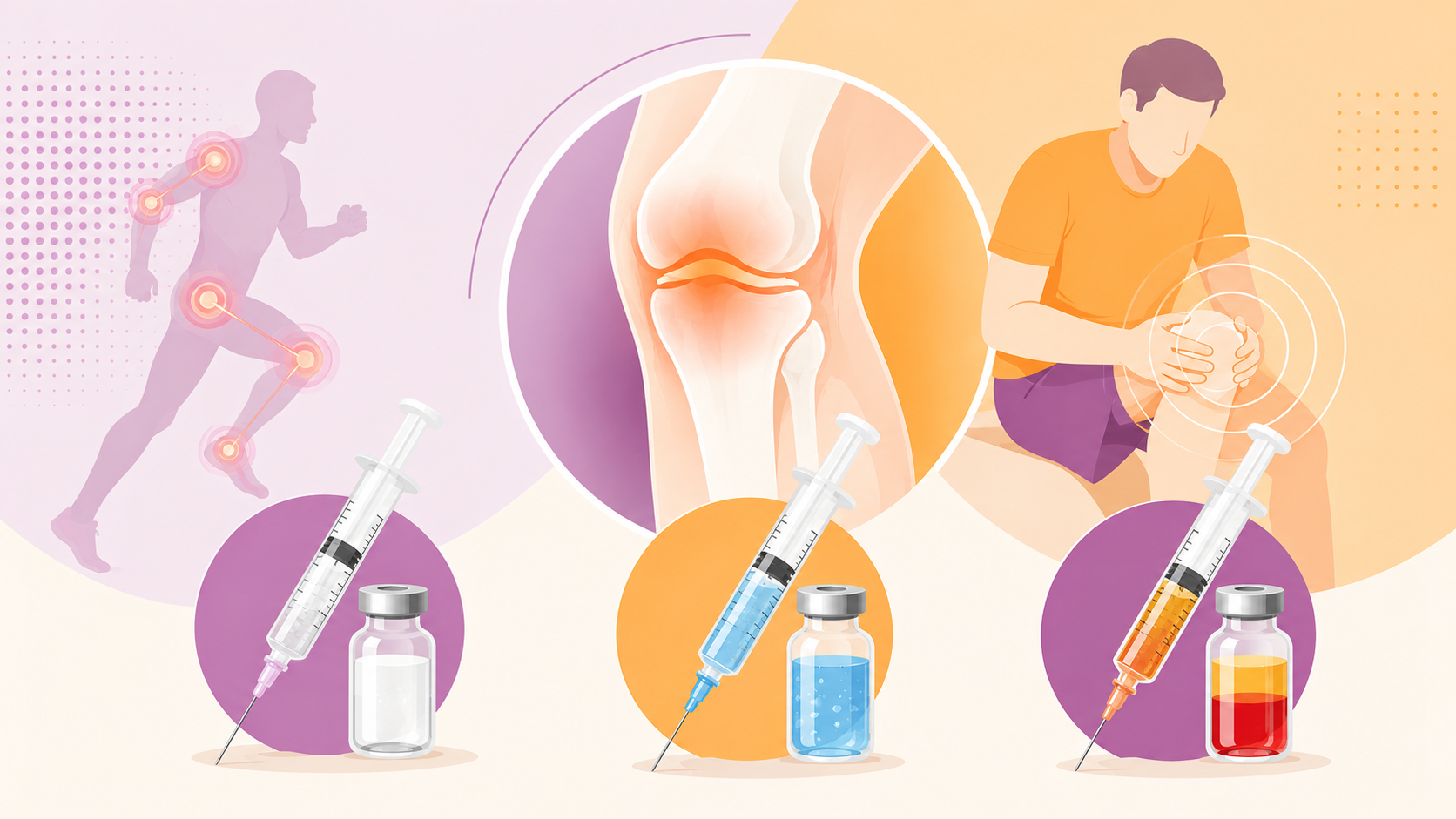
For those suffering from arthritis or joint pain, joint injections can provide immediate relief and reduce inflammation. Corticosteroid injections are commonly used to treat knee, hip, and shoulder pain caused by osteoarthritis or rheumatoid arthritis. These injections deliver anti-inflammatory medication directly into the affected joint, alleviating pain and reducing swelling.
In addition to corticosteroid injections, we also offer hyaluronic acid therapy for knee arthritis. This treatment involves injecting a gel-like substance into the knee joint to improve lubrication, reduce friction, and relieve pain. It’s an excellent option for patients who wish to delay or avoid knee replacement surgery.
4. Radiofrequency Ablation (RFA)
Radiofrequency ablation (RFA) is a minimally invasive procedure used to treat chronic pain caused by nerve irritation or joint degeneration. During the procedure, radiofrequency waves are used to heat and destroy the nerve tissue responsible for sending pain signals. This treatment is particularly effective for patients with facet joint arthritis in the spine or those suffering from chronic neck or back pain.
RFA can provide long-term relief from pain, often lasting several months to years, and can be a great option for those who do not wish to undergo surgery.
5. Spinal Cord Stimulation
For individuals suffering from chronic back pain or neuropathic pain that has not responded to other treatments, spinal cord stimulation (SCS) may be an effective solution. SCS involves implanting a small device near the spinal cord that delivers electrical pulses to interfere with pain signals and provide relief.
Spinal cord stimulation has been shown to help patients reduce their reliance on pain medications, improve quality of life, and regain functional movement. It’s an excellent option for those with chronic pain who have exhausted other non-invasive treatments.
6. Platelet-Rich Plasma (PRP) Therapy
PRP therapy is a regenerative treatment that uses the patient’s own platelets to promote healing and reduce pain. The procedure involves drawing a small amount of the patient’s blood, concentrating the platelets, and then injecting the platelet-rich plasma into the injured area. This stimulates tissue repair, reduces inflammation, and accelerates the healing process.
PRP therapy is particularly beneficial for musculoskeletal conditions like tendonitis, ligament injuries, and joint arthritis, providing a natural way to promote healing without the need for surgery.
7. Chiropractic Care
For patients suffering from back pain, neck pain, or joint misalignment, chiropractic care offers an alternative approach to pain management. Chiropractors use spinal manipulation and other techniques to realign the joints and improve mobility. This hands-on treatment can help restore proper alignment, reduce pain, and improve function, particularly for individuals with conditions like sciatica or facet joint pain.
Chiropractic care can be a valuable part of a comprehensive treatment plan for musculoskeletal pain, working alongside other therapies to provide relief.
8. Trigger Point Injections
For individuals with myofascial pain syndrome or muscle spasms, trigger point injections can be highly effective. Trigger points are tight, painful knots in the muscles that can refer pain to other areas of the body. Trigger point injections deliver a local anesthetic or corticosteroid directly into the affected muscle to relieve pain and reduce inflammation.
This treatment can provide immediate relief from muscle spasms, tension, and stiffness, helping patients regain mobility and function.
9. Massage Therapy
Massage therapy is an effective treatment for musculoskeletal pain caused by muscle tension, stress, or overuse. Through techniques such as deep tissue massage or trigger point therapy, massage helps to reduce muscle tightness, improve blood flow, and promote relaxation.
At Vertex Pain Physicians, we incorporate massage therapy as part of a comprehensive pain management plan to enhance healing and promote overall well-being.
Conclusion
At Vertex Pain Physicians, we understand how musculoskeletal pain can affect your daily life. Our team of specialists offers a range of effective treatments to help manage pain, improve mobility, and restore function. Whether you’re dealing with chronic back pain, joint arthritis, or sports injuries, we can create a personalized treatment plan tailored to your needs.
If you’re ready to explore non-surgical pain relief options for musculoskeletal pain, contact us or schedule an appointment today. Let us help you find the relief you deserve.
Frequently Asked Questions (FAQs)
1. What causes musculoskeletal pain?
Musculoskeletal pain can result from a variety of factors, including injuries, arthritis, muscle strains, ligament sprains, or degenerative conditions like osteoarthritis.
2. How can physical therapy help with musculoskeletal pain?
Physical therapy focuses on strengthening muscles, improving flexibility, and restoring joint function, which can help reduce pain, improve mobility, and prevent further injury.
3. What is radiofrequency ablation, and how does it work?
Radiofrequency ablation (RFA) uses heat from radio waves to destroy nerve tissue causing pain. It’s a minimally invasive procedure that provides long-term pain relief, particularly for facet joint pain and chronic back pain.
4. Are there natural treatments for musculoskeletal pain?
Yes, treatments like massage therapy, PRP therapy, and chiropractic care can help manage musculoskeletal pain naturally by promoting healing and reducing inflammation.
5. When should I consider surgery for musculoskeletal pain?
Surgery is usually considered when non-surgical treatments like physical therapy, injections, and medications have not provided sufficient relief, or if the condition is causing severe disability or immobility.
Disclaimer
The content provided in this blog is for informational purposes only and should not be considered as medical advice. Please consult with your healthcare provider to determine the best treatment plan for your condition.