What Is Degenerative Joint Disease and How Is It Treated?
Degenerative Joint Disease (DJD), also known as osteoarthritis, is one of the most common causes of chronic pain and disability, particularly in older adults. It occurs when the cartilage that cushions the ends of the bones breaks down over time, leading to pain, swelling, and stiffness in the affected joints. While DJD can affect any joint in the body, it is most commonly seen in the hips, knees, hands, and spine.
In this article, we will explore what degenerative joint disease is, its causes and symptoms, and the various treatment options available to help manage this condition.
What Is Degenerative Joint Disease?
Degenerative Joint Disease refers to a condition where the protective cartilage within a joint deteriorates over time, resulting in increased friction between bones. This leads to inflammation, pain, stiffness, and a reduction in the joint’s range of motion. Over time, the joint space may narrow, and bone spurs (osteophytes) may form as the body tries to compensate for the loss of cartilage.
DJD is a progressive disease, meaning it typically worsens over time, particularly if it is left untreated or not properly managed. It is most commonly associated with aging, but it can also result from injury, genetics, or other factors.
Causes of Degenerative Joint Disease
There are several factors that can contribute to the development of degenerative joint disease:
- Aging: As we get older, the cartilage naturally breaks down, and the body’s ability to repair damaged tissue slows.
- Injury: Previous joint injuries or trauma can increase the likelihood of developing DJD in the affected joint. For example, fractures or torn ligaments may lead to increased wear on the cartilage.
- Obesity: Carrying excess weight increases the load on weight-bearing joints, such as the knees and hips, accelerating the breakdown of cartilage.
- Genetics: Some individuals may be genetically predisposed to developing DJD, particularly in specific joints such as the knees or hips.
- Overuse: Jobs or activities that require repetitive motions or put continuous stress on a particular joint can increase the risk of developing DJD.
- Other medical conditions: Conditions like diabetes, rheumatoid arthritis, and gout can increase the likelihood of developing degenerative joint disease.
Symptoms of Degenerative Joint Disease
The symptoms of degenerative joint disease vary depending on the severity of the condition and the joint affected. Common symptoms include:
1. Joint Pain
Pain is the hallmark symptom of DJD. The pain may worsen with activity and improve with rest. In some cases, pain can occur even at rest, especially if the condition has advanced.
2. Stiffness
Stiffness in the affected joint, particularly after periods of inactivity (such as in the morning or after sitting for long periods), is common in degenerative joint disease.
3. Swelling
Swelling may occur due to inflammation in the joint. As the cartilage breaks down, the body produces more synovial fluid to lubricate the joint, which can lead to an increase in fluid and swelling.
4. Decreased Range of Motion
As the disease progresses, the affected joint may become less flexible, making it difficult to perform everyday tasks like walking, bending, or gripping objects.
5. Bone Spurs
Osteophytes, or bone spurs, may develop as the body tries to repair the damage caused by cartilage wear. These spurs can restrict movement and add to joint pain.
6. Grinding Sensation (Crepitus)
Some people with DJD may feel or hear a grinding sensation when moving the affected joint due to the rough surfaces of the bones rubbing together.
How Is Degenerative Joint Disease Treated?
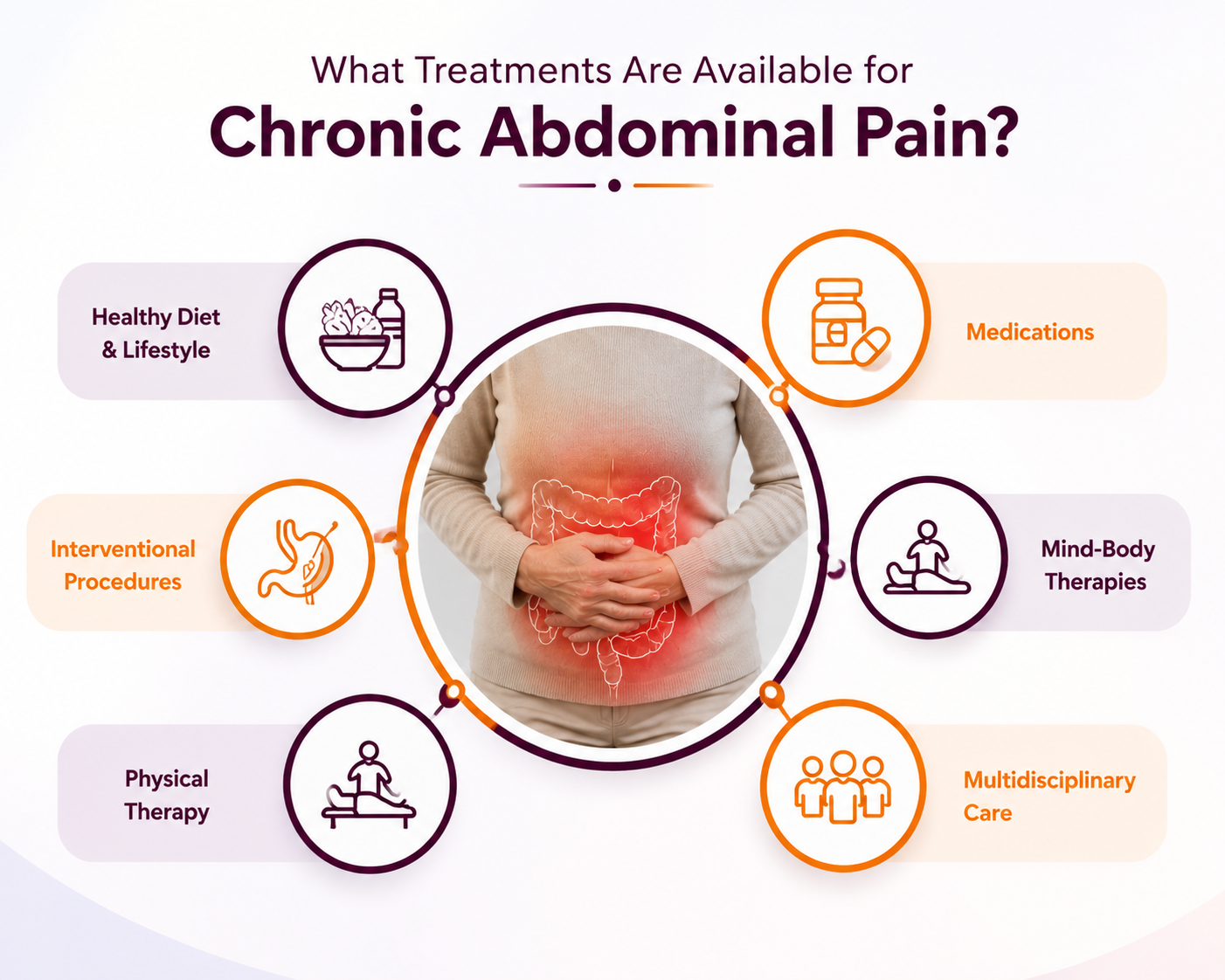
While there is no cure for degenerative joint disease, there are several effective treatment options that can help manage symptoms, improve function, and slow the progression of the disease. These treatments can be non-surgical or surgical, depending on the severity of the condition.
Non-Surgical Treatments for DJD
1. Medications
- Pain relievers: Over-the-counter medications like acetaminophen or NSAIDs (e.g., ibuprofen or naproxen) are commonly used to relieve pain and inflammation associated with DJD.
- Topical treatments: Creams and gels that contain pain-relieving agents (like capsaicin or menthol) can be applied directly to the skin over the affected joint for localized pain relief.
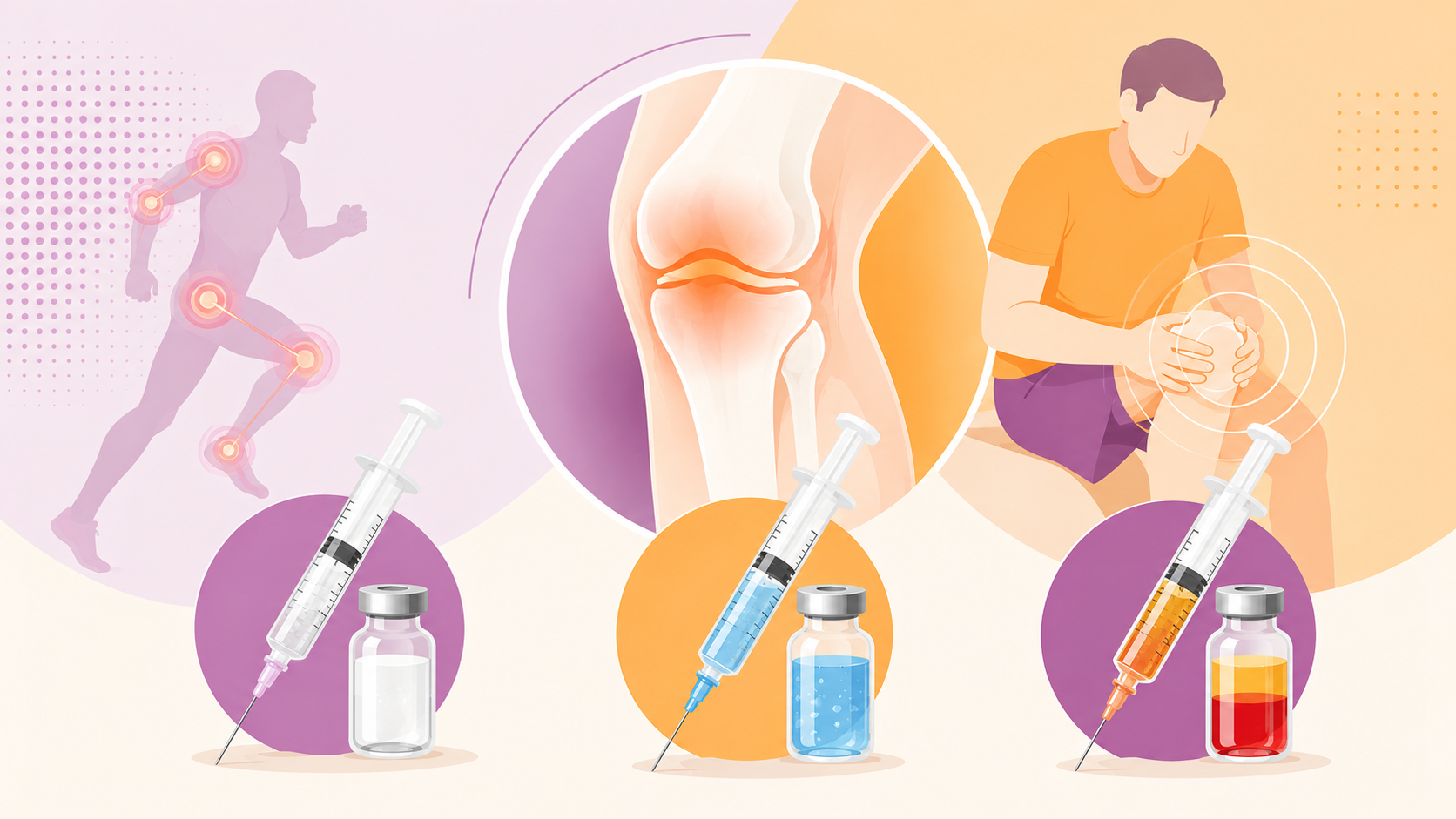
- Corticosteroid injections: These injections can provide significant pain relief by reducing inflammation in the joint. They are often used for more severe symptoms but should not be used frequently due to potential side effects.
2. Physical Therapy
Physical therapy plays a crucial role in managing DJD. A physical therapist can help design an exercise program that focuses on:
- Strengthening the muscles surrounding the affected joint
- Improving flexibility and range of motion
- Reducing stress on the joint by teaching proper movement techniques
Exercise can help reduce pain and improve overall joint function.
3. Weight Management
Maintaining a healthy weight is essential for managing degenerative joint disease, especially for weight-bearing joints like the knees and hips. By reducing the load on these joints, you can decrease the wear on the cartilage and reduce pain.
4. Assistive Devices
Using assistive devices, such as braces, splints, or canes, can help support the affected joint, reduce pain, and improve mobility. These devices help reduce the strain on the joint during daily activities.
5. Heat and Cold Therapy
Using heat packs or ice packs can help alleviate pain and swelling associated with DJD. Cold therapy can reduce inflammation, while heat therapy can help relax muscles and improve flexibility.
6. Hyaluronic Acid Injections
Hyaluronic acid injections can provide lubrication to the joint, reducing friction and pain. These injections are commonly used for knee osteoarthritis and can provide relief for several months.
Surgical Treatments for DJD
If non-surgical treatments fail to provide relief, or if the joint is severely damaged, surgical intervention may be necessary. Some options include:
1. Arthroscopy
Arthroscopy involves a minimally invasive procedure where small instruments are used to remove damaged tissue or repair a joint. This can be an effective treatment for patients with early-stage DJD or joint damage that can be repaired without a full replacement.
2. Joint Replacement Surgery
For advanced cases of degenerative joint disease, joint replacement surgery may be necessary. This procedure involves replacing the damaged joint with an artificial one. The most common joint replacement surgeries are for the hip and knee joints.
3. Spinal Fusion
If degenerative joint disease affects the spine, particularly in cases of spinal stenosis or disc degeneration, spinal fusion may be recommended. This procedure involves fusing two or more vertebrae together to stabilize the spine and reduce pain.
Conclusion
Degenerative joint disease (DJD) is a common and progressive condition that affects millions of people worldwide. While it cannot be completely cured, there are many effective treatment options available to help manage symptoms and improve quality of life. Early intervention with medications, physical therapy, and lifestyle changes can significantly improve function and reduce pain. In more severe cases, surgical treatments like joint replacement may be necessary to restore mobility and alleviate chronic pain.
At Vertex Pain Physicians, we specialize in managing degenerative joint disease and offer a range of treatments to help you find relief. Whether you’re looking for non-surgical treatments or have questions about joint replacement, our experts are here to guide you through every step of your recovery.
If you or a loved one is suffering from degenerative joint disease, contact us or schedule an appointment today to discuss the best treatment options for your condition.
Frequently Asked Questions (FAQs)
1. What is degenerative joint disease?
Degenerative joint disease (DJD), also known as osteoarthritis, is a condition where the cartilage in a joint deteriorates over time, leading to pain, swelling, and stiffness.
2. What are the common symptoms of degenerative joint disease?
Common symptoms include joint pain, stiffness, swelling, reduced range of motion, and bone spurs.
3. How is degenerative joint disease treated?
Treatment options include medications, physical therapy, weight management, assistive devices, and, in some cases, surgical interventions like joint replacement.
4. Can degenerative joint disease be prevented?
While it may not be fully preventable, maintaining a healthy weight, exercising regularly, and avoiding joint injuries can reduce the risk of developing DJD.
5. When is surgery needed for degenerative joint disease?
Surgery is considered when non-surgical treatments are no longer effective, or if the joint is severely damaged. Joint replacement or arthroscopy may be recommended for advanced cases.
Disclaimer
The content provided in this blog is for informational purposes only and should not be considered as medical advice. Please consult with your healthcare provider to determine the best treatment plan for your condition.