How Peripheral Nerve Stimulation (PNS) Works for Managing Neuropathic Pain
Neuropathic pain can be one of the most challenging types of pain to treat, often arising from nerve damage or dysfunction. For those living with chronic pain conditions like neuropathy, finding effective solutions can feel daunting. One promising treatment option that has been gaining attention for neuropathic pain management is Peripheral Nerve Stimulation (PNS). This article will delve into how PNS works, how it helps alleviate chronic neuropathic pain, and the benefits it can offer to patients.
What is Peripheral Nerve Stimulation (PNS)?
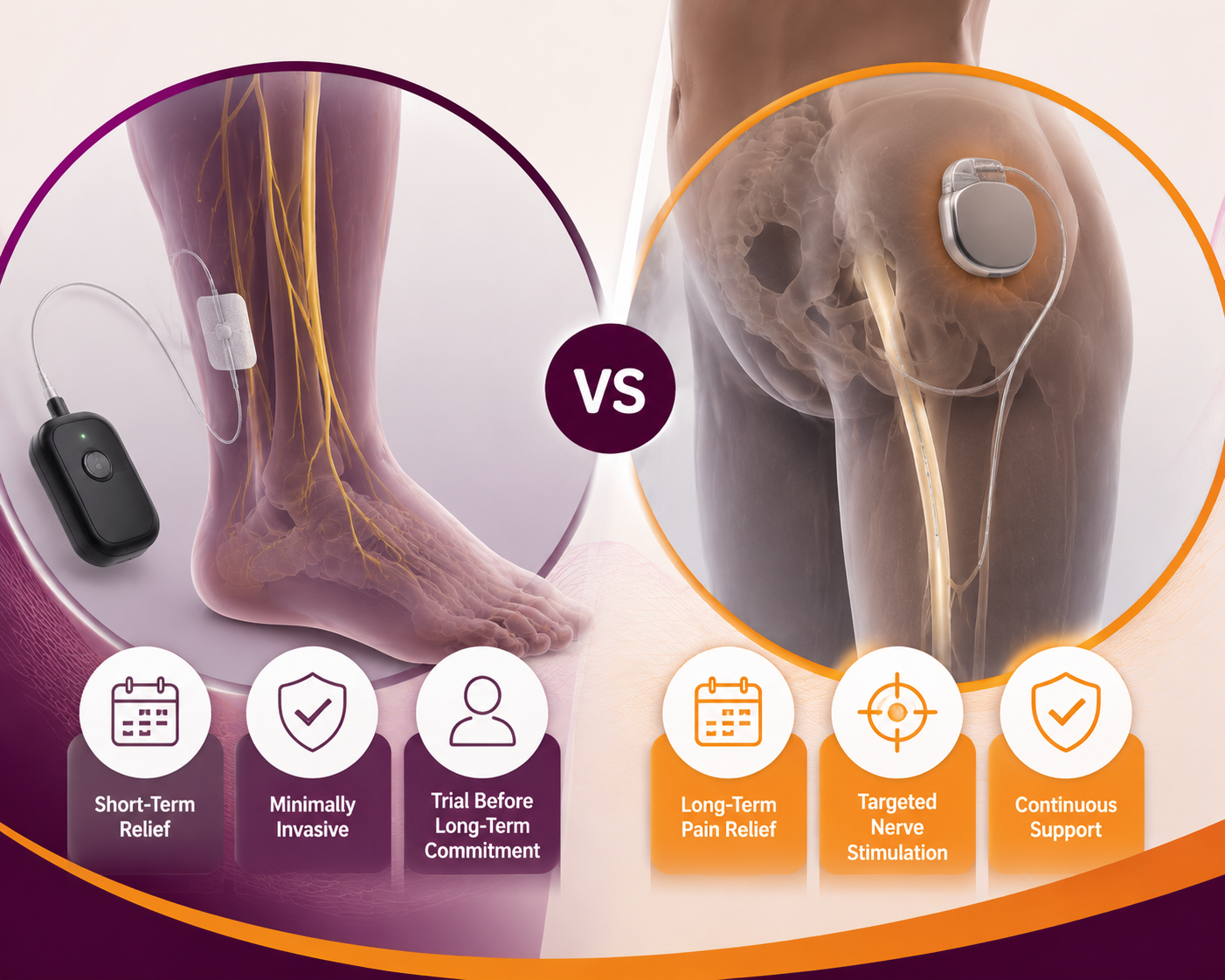
Peripheral Nerve Stimulation (PNS) is a non-invasive, FDA-approved pain management treatment that uses electrical impulses to stimulate specific nerves. It is often used to treat neuropathic pain, which is pain caused by damage or dysfunction of the nerves. PNS involves the implantation of a small device that delivers low-frequency electrical pulses to the affected nerve areas, helping to block pain signals from reaching the brain.
The goal of PNS therapy is to interrupt the pain pathway and provide long-term relief from chronic pain, offering patients an alternative to opioid medications or other pain relief methods.
How Does PNS Therapy Work for Pain Relief?
PNS therapy works by stimulating the nerves involved in transmitting pain signals, essentially “reprogramming” the way pain is processed by the body. Here’s how it works:
1. Implantation of the PNS Device
The PNS system consists of a small pulse generator (similar to a pacemaker) and thin, flexible electrodes. These electrodes are strategically implanted near the peripheral nerves responsible for the pain. The device generates electrical impulses that are delivered to the nerves, blocking the pain signals before they can reach the brain.
2. Electrical Stimulation of Nerves
The implanted device sends electrical pulses to the targeted nerves, providing mild stimulation. This stimulation interferes with the nerve’s ability to send pain signals to the brain, effectively reducing the perception of pain. Over time, this helps the brain “retrain” itself to ignore the pain signals coming from the damaged nerve.
3. Chronic Pain Management
The primary aim of PNS therapy is to offer long-term relief from chronic neuropathic pain. Once the device is implanted, patients can typically adjust the settings to tailor the intensity and frequency of the stimulation to their comfort level. This makes PNS a flexible and customizable pain management solution for individuals with chronic pain.
Conditions Treated by PNS Therapy
Peripheral Nerve Stimulation is particularly effective for patients suffering from various types of neuropathic pain. Some of the conditions treated with PNS therapy include:
1. Post-Surgical Pain
Following surgery, some patients experience persistent pain that doesn’t resolve even after the body has healed. PNS can be effective in alleviating post-surgical pain.
2. Complex Regional Pain Syndrome (CRPS)
CRPS is a chronic pain condition that typically affects a limb after an injury or surgery. PNS can help manage the intense pain associated with CRPS.
3. Diabetic Neuropathy
For patients with diabetic neuropathy, PNS can help reduce pain caused by nerve damage due to high blood sugar levels.
4. Sciatica and Radicular Pain
Sciatica and radicular pain involve irritation or damage to the nerves in the spine. PNS can help manage these painful conditions by targeting the nerves involved in the pain.
5. Trigeminal Neuralgia
Trigeminal neuralgia, a type of nerve pain in the face, can also be treated with PNS therapy, offering significant pain relief.
PNS vs. Other Pain Management Techniques
While there are various methods for managing neuropathic pain, such as medications, physical therapy, and invasive procedures, Peripheral Nerve Stimulation stands out for its ability to provide long-term pain relief without the side effects associated with many pain medications.
Here’s a comparison of PNS with other common pain management techniques:
| Pain Management Method | Pros | Cons |
| PNS Therapy | Non-invasive, long-term pain relief, minimal side effects | Requires implantation of a device, may not be effective for all patients |
| Medications | Immediate pain relief, widely accessible | Can cause side effects, risk of dependence (especially opioids) |
| Physical Therapy | Improves mobility, non-invasive | May not address severe, chronic pain |
| Surgical Interventions | Potential for permanent relief | Invasive, recovery time, possible complications |
Benefits of PNS for Neuropathic Pain
There are several advantages to choosing Peripheral Nerve Stimulation (PNS) for managing chronic pain:
1. Non-Invasive Option
Unlike surgery or other invasive procedures, PNS therapy involves a minimally invasive implantation process, requiring only small incisions to place the device.
2. Customization and Control
Patients can control the intensity of the electrical pulses through a remote control, allowing them to adjust the stimulation to match their pain levels.
3. Reduced Dependence on Medications
PNS therapy can reduce or eliminate the need for pain medications, helping patients avoid the risk of addiction or side effects associated with long-term drug use.
4. Long-Term Relief
While some treatments provide temporary pain relief, PNS is designed to offer long-term benefits, helping to manage chronic pain effectively over time.
5. Improved Quality of Life
By reducing pain levels, PNS therapy can significantly improve a patient’s ability to perform daily activities, improving their overall quality of life.
When Should You Consider PNS for Neuropathic Pain?
PNS therapy is generally considered when other treatments, such as medications, physical therapy, or injections, have not provided sufficient relief. Your doctor may recommend PNS if:
- You have chronic pain that has not responded to conventional pain management techniques.
- You prefer a non-surgical, long-term solution to managing pain.
- You experience pain from conditions such as CRPS, diabetic neuropathy, or post-surgical pain.
If you believe PNS may be an appropriate treatment for your pain, it’s important to consult with a pain management specialist who can evaluate your condition and recommend the best course of treatment.
Conclusion
Peripheral Nerve Stimulation (PNS) is a promising option for those suffering from neuropathic pain, offering an innovative, non-invasive solution for long-term pain relief. Whether dealing with chronic pain from conditions like diabetic neuropathy, sciatica, or CRPS, PNS can help reduce pain, improve quality of life, and allow patients to regain control over their day-to-day activities.
At Vertex Pain Physicians, we specialize in providing customized pain management solutions, including PNS therapy, tailored to meet the unique needs of each patient. If you are struggling with neuropathic pain and want to explore how PNS therapy can help, don’t hesitate to contact us today.
To schedule your consultation and discuss if Peripheral Nerve Stimulation is right for you, please request an appointment.
Frequently Asked Questions (FAQs)
1. What is Peripheral Nerve Stimulation (PNS)?
Peripheral Nerve Stimulation (PNS) is a treatment that uses electrical impulses to stimulate nerves and interrupt pain signals, offering relief from chronic pain, especially neuropathic pain.
2. How does PNS work for pain relief?
PNS works by delivering electrical pulses to specific nerves, blocking pain signals from reaching the brain, effectively reducing the perception of pain.
3. What conditions can PNS treat?
PNS is effective for conditions like CRPS, diabetic neuropathy, sciatica, post-surgical pain, and trigeminal neuralgia.
4. Is PNS a permanent solution for pain relief?
While PNS provides long-term pain relief, it may require periodic adjustments to the device for optimal effectiveness.
5. Is PNS safe?
Yes, PNS is generally considered safe. It is an FDA-approved treatment with minimal side effects and a low risk of complications.
6. How long does PNS therapy take to work?
Patients typically start experiencing relief within a few days to weeks after the device is implanted and adjusted.
7. Does PNS require surgery?
PNS requires a minimally invasive implantation of a small device under the skin, but it is not considered a major surgery.
8. Can I control the PNS device?
Yes, the PNS device comes with a remote control that allows patients to adjust the intensity of the electrical pulses as needed.
9. Will PNS replace my medications?
PNS can reduce or eliminate the need for pain medications, offering a non-addictive, long-term alternative.
10. How do I know if PNS is right for me?
Consult with a pain management specialist to determine if PNS is a suitable option based on your specific pain condition and treatment history.
Disclaimer
The content in this blog is for informational purposes only and does not constitute medical advice. Please consult with your healthcare provider to determine the best treatment options for your specific condition.