How Peripheral Nerve Stimulation Can Relieve Pain from Diabetes and Nerve Damage
Diabetes can lead to a variety of complications, and one of the most challenging for patients is diabetic neuropathy. This condition involves nerve damage caused by high blood sugar levels over time, leading to persistent pain, numbness, and tingling, particularly in the hands and feet. Peripheral Nerve Stimulation (PNS) is an innovative treatment option that can help relieve nerve pain caused by diabetes and other forms of nerve damage. In this article, we’ll explore how PNS therapy works, how it can treat diabetic neuropathy, and why it may be a beneficial option for chronic nerve pain management.
What Is Peripheral Nerve Stimulation (PNS)?
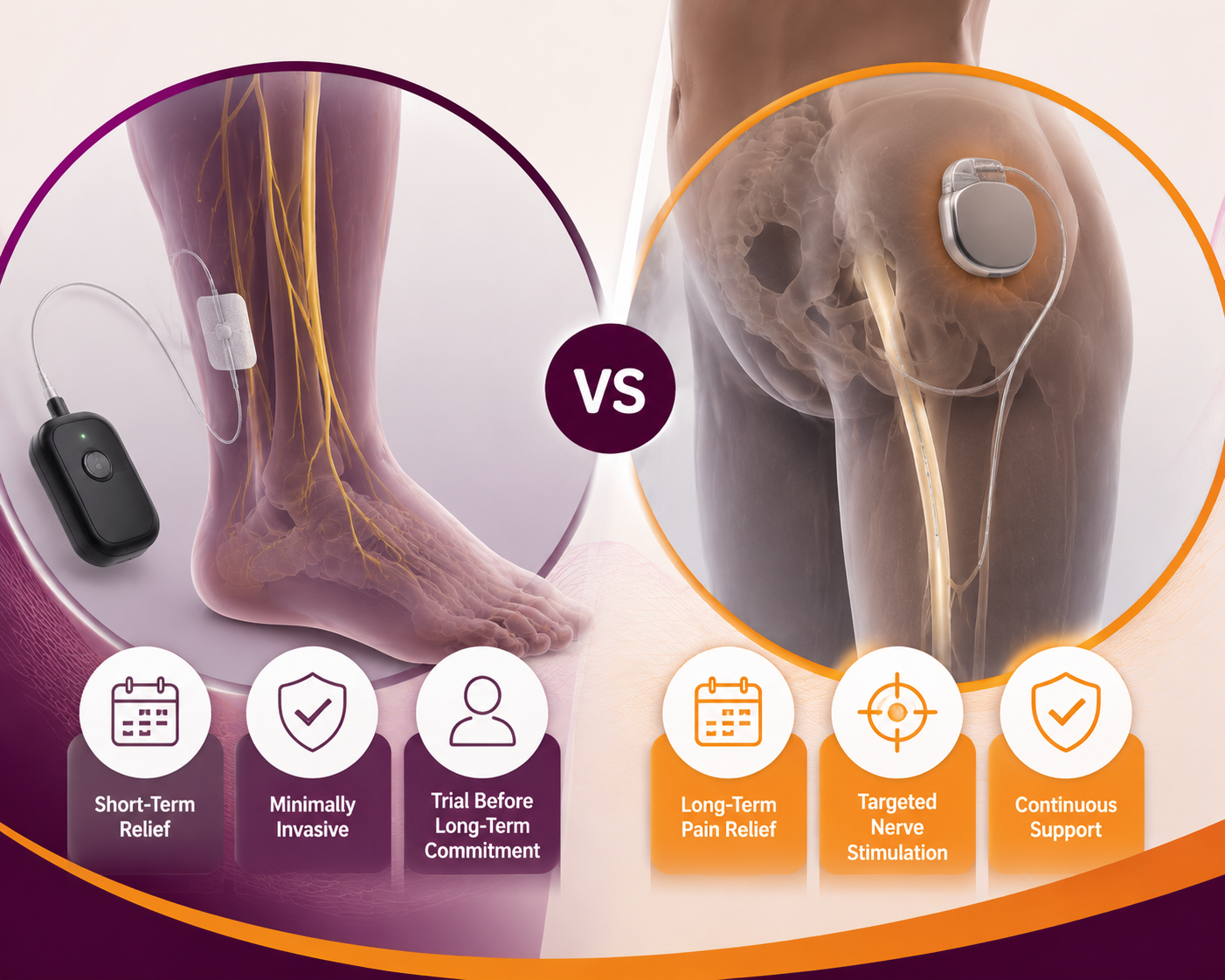
Peripheral Nerve Stimulation (PNS) is a minimally invasive treatment designed to manage pain by delivering electrical impulses to specific nerves involved in pain perception. The treatment involves implanting a small, battery-powered device that sends low-frequency electrical signals to the peripheral nerves, which are responsible for transmitting pain signals to the brain. By interrupting these pain signals, PNS therapy helps reduce the sensation of pain in the affected areas.
PNS therapy has been used effectively for nerve pain related to various conditions, including diabetic neuropathy, and has shown promise in alleviating chronic pain that doesn’t respond well to medications or other therapies.
Diabetic Neuropathy and Nerve Damage Pain
Diabetic neuropathy is one of the most common complications of diabetes and occurs when high blood sugar levels damage the nerves, particularly those in the legs and feet. Symptoms of diabetic neuropathy include:
- Pain: This can range from a sharp, burning sensation to a constant ache.
- Numbness: Loss of sensation in the feet or hands, which increases the risk of injury.
- Tingling or prickling: Often described as a “pins and needles” sensation.
- Weakness: Difficulty moving or controlling the muscles in the affected areas.
While there are medications available to help manage diabetic neuropathy, these often come with side effects or are not fully effective for everyone. This is where PNS therapy can offer a significant benefit, providing pain relief for diabetic nerve damage in a non-invasive and minimally invasive manner.
How Does Peripheral Nerve Stimulation Help with Nerve Pain?
PNS therapy for diabetic neuropathy works by targeting the nerves that are transmitting pain signals. When a PNS device is implanted near the peripheral nerves affected by diabetes, it emits electrical pulses that interfere with the nerve’s ability to send pain signals to the brain. These electrical pulses essentially “mask” the pain, providing relief to the patient.
The key benefits of Peripheral Nerve Stimulation include:
- Non-invasive: Unlike traditional surgical methods, PNS is minimally invasive, requiring only small incisions to implant the device.
- Reduced medication reliance: For patients who have not found sufficient relief from oral medications or injections, PNS therapy can offer an alternative that reduces the need for pain medications, including opioids.
- Customizable: The device can be adjusted to meet the patient’s specific pain management needs, allowing for personalized treatment.
Benefits of PNS for Diabetic Neuropathy
There are several advantages to using Peripheral Nerve Stimulation for nerve pain relief in patients with diabetic neuropathy:
1. Targeted Pain Relief
By delivering electrical pulses directly to the affected nerves, PNS therapy offers highly targeted pain relief. This method can specifically treat diabetic nerve damage, ensuring that the therapy addresses the root cause of pain, rather than just masking symptoms.
2. Non-Surgical and Minimally Invasive
Unlike traditional surgical interventions, PNS therapy involves a simple procedure that requires only small incisions to implant the device. This reduces the risk of complications and shortens recovery time, making it a more comfortable option for patients.
3. Reduced Dependence on Medications
For many patients with chronic pain, the need for long-term medication management is a significant concern, especially when medications like opioids have side effects or pose a risk of dependency. PNS therapy for diabetic neuropathy can help reduce reliance on these medications, offering a safer and more sustainable pain management option.
4. Long-Term Pain Relief
Unlike some short-term treatments, PNS therapy is designed for long-term use. The device is refillable and can be adjusted as needed, providing sustained pain relief over months or even years. This makes it a viable option for chronic pain management for diabetes, offering ongoing support for patients.
5. Improved Quality of Life
With PNS therapy, many patients experience a significant improvement in their quality of life. Reduced pain and increased mobility allow individuals to return to normal activities, such as walking, exercising, and participating in daily tasks without constant discomfort.
How Effective Is PNS for Diabetic Neuropathy?
Studies have shown that PNS therapy can be highly effective in treating nerve pain from diabetes. Patients who have undergone PNS therapy for diabetic neuropathy report significant reductions in pain, improved mobility, and a better overall sense of well-being. While results vary from patient to patient, many individuals experience a noticeable improvement in their symptoms, with some experiencing complete relief.
Typical Results:
- Pain Reduction: Many patients report a significant decrease in pain levels, sometimes by up to 50-70%.
- Increased Mobility: With reduced pain and improved nerve function, patients often find it easier to move and perform everyday tasks.
- Improved Sleep Quality: Chronic pain can interfere with sleep, but with pain reduced, many patients experience better rest and overall health.
When Should You Consider PNS for Diabetic Neuropathy?
Peripheral Nerve Stimulation should be considered if you are dealing with chronic diabetic nerve pain that has not responded to other treatments, such as medications or physical therapy. It may be particularly beneficial for those who are looking for an alternative to opioid painkillers or who have experienced side effects from other forms of pain management.
If you are living with diabetic neuropathy and have not found sufficient relief from other treatments, consult with your doctor about PNS therapy. A healthcare provider will assess your specific condition and help determine if this treatment is right for you.
Conclusion
Peripheral Nerve Stimulation (PNS) offers a promising solution for managing pain from diabetes and nerve damage. With its ability to provide targeted pain relief in a non-invasive manner, PNS therapy for diabetic neuropathy can significantly improve quality of life, reduce medication reliance, and help restore normal functionality for individuals suffering from chronic nerve pain.
At Vertex Pain Physicians, we specialize in offering advanced pain management treatments like PNS therapy, tailored to meet the unique needs of each patient. If you are struggling with diabetic neuropathy or other forms of nerve pain, don’t hesitate to contact us or schedule an appointment to discuss how we can help you achieve pain relief and improve your well-being.
Frequently Asked Questions (FAQs)
1. What is Peripheral Nerve Stimulation (PNS)?
PNS is a minimally invasive treatment that uses electrical impulses to relieve nerve pain by disrupting pain signals before they reach the brain.
2. How does PNS help with diabetic neuropathy?
PNS helps reduce nerve pain from diabetes by delivering electrical impulses to the nerves, providing targeted pain relief and improving nerve function.
3. Is PNS therapy safe?
Yes, PNS therapy is considered safe and is FDA-approved. It is a minimally invasive procedure with a low risk of complications.
4. How long does PNS therapy last?
The results of PNS therapy for diabetic neuropathy can last for several months or even years. The device is refillable and can be adjusted to meet the patient’s changing needs.
5. Will PNS completely eliminate my pain?
While PNS therapy can provide significant pain relief, individual results vary. Many patients experience a reduction in pain by 50-70%, and some may experience complete relief.
6. How is PNS therapy different from other treatments for diabetic neuropathy?
Unlike medications or injections, PNS therapy provides targeted pain relief by stimulating the nerves directly, reducing the need for medications and offering longer-term relief.
7. Can PNS be used for other types of nerve pain?
Yes, PNS therapy can be effective for other types of nerve pain, including pain from injuries, surgeries, and conditions like CRPS (Complex Regional Pain Syndrome).
8. How soon can I expect results from PNS therapy?
Patients typically begin experiencing relief within a few weeks to a few months after the PNS device is implanted and adjusted.
9. Is PNS therapy suitable for all patients with diabetic neuropathy?
While PNS therapy is effective for many patients, it may not be suitable for everyone. A healthcare provider will assess your condition and determine if this treatment is right for you.
10. Is PNS therapy covered by insurance?
Many insurance plans cover PNS therapy for nerve pain related to diabetes and other conditions. Contact your insurance provider to confirm coverage details.
Disclaimer
The content of this blog is for informational purposes only and should not be considered as medical advice. Please consult with a healthcare provider to determine if PNS therapy is appropriate for your specific condition.