How to Manage Post-Surgical Back Pain Effectively
Undergoing spine surgery can be life-changing, especially when the pain relief is significant, but the journey to full recovery can also bring challenges. Post-surgical back pain is common and may persist for some time after surgery. However, with the right approach, patients can manage pain effectively and enjoy a smoother, quicker recovery. This article will explore different strategies for managing pain after spine surgery and offer practical solutions to aid in back pain recovery.
What is Post-Surgical Back Pain?
Post-surgical back pain refers to the pain patients experience after undergoing spine surgery. This pain can be caused by the healing process, surgical trauma, or the underlying condition that required surgery in the first place. It is normal to experience discomfort during the initial recovery phase, but it should gradually improve over time. The severity and duration of pain can vary depending on the type of surgery and the patient’s overall health.
Strategies for Managing Post-Surgical Back Pain
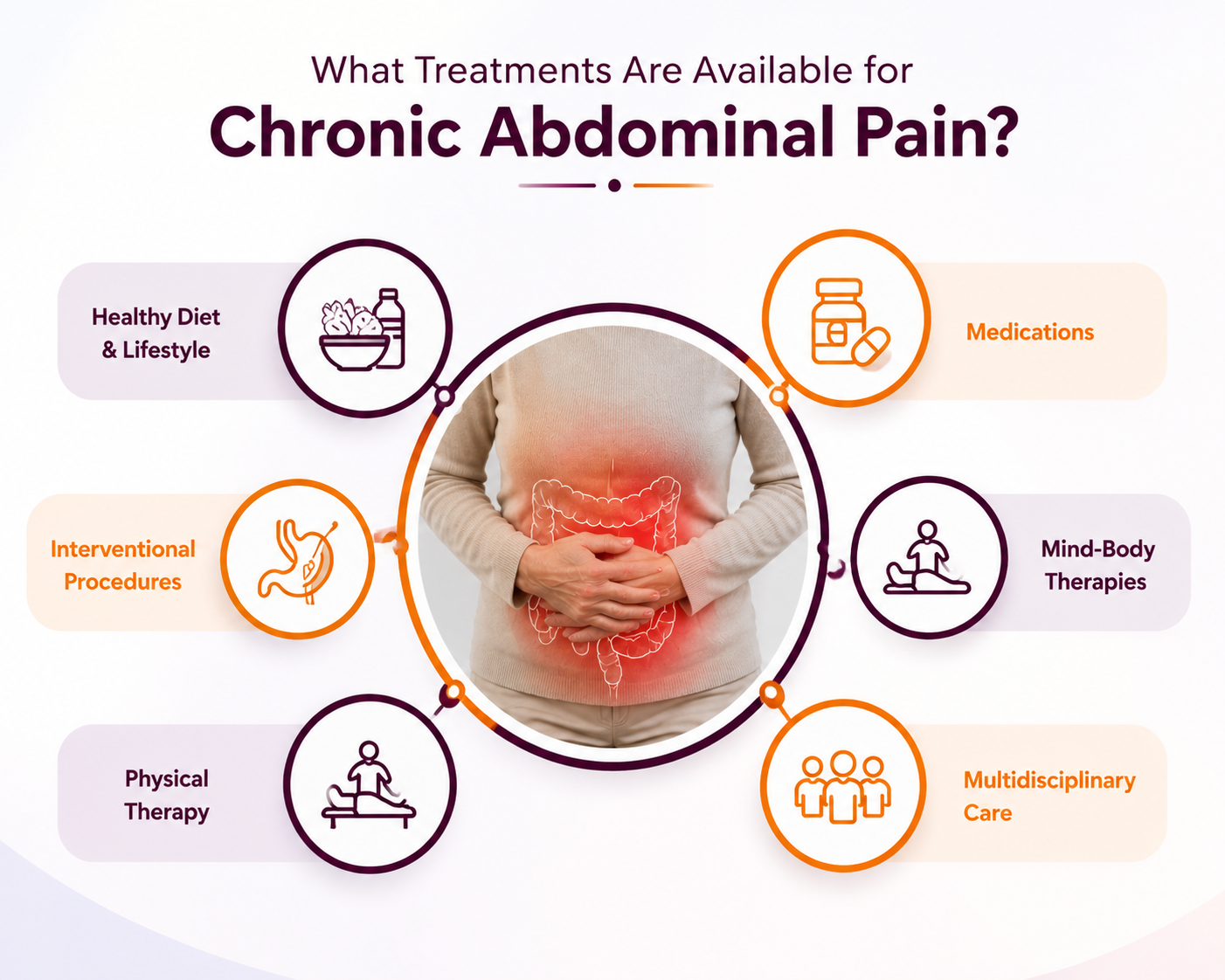
Effective management of post-surgical back pain involves a combination of medications, physical therapy, lifestyle adjustments, and sometimes even alternative treatments. Below are some key strategies to help control pain and support recovery.
Medications for Pain Relief
One of the most common ways to manage post-surgery back pain is through medication. The type and dosage of medication prescribed will depend on the intensity of your pain and your overall condition.
Common pain relief medications include:
- NSAIDs (Non-Steroidal Anti-Inflammatory Drugs): These help reduce inflammation and provide moderate pain relief.
- Opioids: Prescribed for more severe pain in the short term, but typically used with caution due to their addictive nature.
- Muscle Relaxants: These can help reduce muscle spasms that may occur after surgery.
- Antidepressants/Anticonvulsants: Sometimes used for nerve pain that persists after surgery.
Always follow your healthcare provider’s instructions regarding medication to avoid side effects and potential complications.
Physical Therapy and Post-Surgical Rehabilitation
Physical therapy is crucial in back pain recovery after surgery. It plays an essential role in reducing pain, increasing mobility, and helping the body heal. Your physical therapist will guide you through exercises designed to strengthen muscles, improve flexibility, and promote spinal stability.
Key benefits of post-surgical physical therapy:
- Restores Mobility: Helps regain movement in the back and spine, making it easier to return to normal daily activities.
- Strengthens Core Muscles: Strengthening the muscles surrounding the spine can provide more support and reduce pain.
- Improves Posture and Alignment: Physical therapy can help you maintain proper posture, which can minimize strain on your back and prevent future pain.
- Decreases Inflammation and Swelling: Exercises help improve circulation and reduce fluid build-up that may cause additional discomfort.
Heat and Cold Therapy
Heat and cold packs are simple yet effective methods for managing back pain after surgery. Applying cold therapy during the first few days after surgery can help reduce swelling and numb the pain. On the other hand, heat therapy can improve blood circulation, ease muscle stiffness, and promote healing once the initial inflammation has decreased.
- Cold Therapy: Apply cold compresses or ice packs to the surgical site for 15-20 minutes at a time to reduce swelling and numb pain.
- Heat Therapy: Use a heating pad or warm towels on the back to relax muscles and ease chronic pain after the inflammation has subsided.
Alternative Pain Management Techniques
For those who want to reduce reliance on medication or seek additional relief, alternative pain management techniques can be effective. Many patients find that complementary treatments help ease the discomfort associated with post-surgical back pain.
Techniques to consider:
- Acupuncture: A traditional Chinese medicine technique that involves inserting fine needles at specific points on the body. Some studies suggest that acupuncture can help reduce pain and promote healing.
- Massage Therapy: Therapeutic massage can help relax tight muscles, reduce tension, and improve blood circulation, aiding in pain relief.
- Chiropractic Care: In some cases, chiropractic adjustments may help with spinal alignment and reduce post-surgical pain.
Always consult your doctor before trying alternative therapies to ensure they are appropriate for your specific recovery needs.
Mind-Body Techniques for Pain Control
Stress, anxiety, and tension can all contribute to post-surgical pain, making it essential to address the mental and emotional aspects of recovery. Mind-body techniques, such as mindfulness, meditation, and deep-breathing exercises, can help control pain perception, promote relaxation, and improve recovery outcomes.
- Mindfulness Meditation: Helps patients focus on the present moment and relax their bodies, reducing pain perception.
- Breathing Exercises: Slow, deep breathing helps lower stress hormones and encourages relaxation, reducing overall discomfort.
- Progressive Muscle Relaxation: Tensing and relaxing muscles can help release tension, improve circulation, and ease pain.
Maintaining a Healthy Diet and Hydration
Proper nutrition plays an essential role in healing and recovery. A healthy diet provides the nutrients necessary for tissue repair, immune function, and overall well-being. Hydration is also important as it helps maintain fluid balance and supports your body’s natural healing processes.
Key nutrients for healing:
- Protein: Essential for tissue repair and muscle recovery.
- Vitamins C and D: Help with collagen formation and bone health.
- Omega-3 Fatty Acids: Reduce inflammation and support healing.
- Calcium and Magnesium: Vital for bone health and muscle function.
Be sure to follow your doctor’s guidelines regarding nutrition during your recovery process.
When to Seek Professional Help
While many cases of post-surgical back pain improve with time and proper management, there are times when professional intervention is necessary. Contact your healthcare provider if:
- Pain significantly worsens after the initial healing period.
- You experience new symptoms, such as numbness, weakness, or changes in bladder or bowel function.
- Medications are not effectively controlling your pain or causing intolerable side effects.
- You notice signs of infection, such as fever, redness, or increased swelling at the surgical site.
Seeking timely medical attention can help prevent complications and ensure the best possible outcome for your recovery.
Conclusion
Recovering from spine surgery is a journey that involves more than just physical healing. Managing post-surgical back pain effectively requires a combination of medication, physical therapy, lifestyle adjustments, and alternative therapies. By following a comprehensive pain management plan, you can experience relief, regain mobility, and enhance your recovery process.
At Vertex Pain Physicians, we specialize in helping patients manage post-surgical pain and guide them through the recovery process. If you’re dealing with back pain after surgery, contact us today to discuss your treatment options and get the support you need for a successful recovery.
For personalized pain management advice and treatment plans, contact us or schedule an appointment with one of our specialists.
Frequently Asked Questions (FAQs)
- How long does post-surgical back pain last?
Post-surgical back pain typically lasts for a few weeks to several months, depending on the surgery and individual healing rates. Chronic pain that persists beyond six months may require additional treatment. - Is physical therapy necessary after spine surgery?
Yes, physical therapy is crucial to restore mobility, reduce pain, and prevent future complications after spine surgery. - Can I avoid using pain medications after spine surgery?
While pain medications may be necessary in the initial recovery phase, many patients reduce or eliminate their use with the help of physical therapy, lifestyle adjustments, and alternative pain management techniques. - Can massage therapy help with post-surgical back pain?
Massage therapy can help relax muscles, reduce tension, and improve circulation, aiding in pain relief after spine surgery. - How soon can I return to normal activities after spine surgery?
The timeline for returning to normal activities depends on the type of surgery and individual recovery. Most patients can resume light activities within a few weeks, but strenuous activities may require several months of healing. - What are the signs of complications after spine surgery?
Signs of complications may include worsening pain, signs of infection (fever, redness, swelling), numbness, weakness, or changes in bladder or bowel function. - Can acupuncture help with post-surgical back pain?
Some patients find relief from acupuncture by reducing pain and promoting healing. Always consult your doctor before trying alternative therapies. - Will I need surgery again if my post-surgical pain persists?
If conservative treatments do not provide relief, your doctor may recommend further diagnostic tests to determine the cause of your pain and suggest additional treatments, which may include surgery. - How can I manage pain while sleeping after spine surgery?
Using pillows to support your body and avoid pressure on the spine, sleeping in a position that reduces strain, and taking pain medications as prescribed can help you sleep more comfortably during recovery. - What can I do to prevent future back pain after surgery?
Maintaining a healthy weight, practicing good posture, strengthening core muscles, and avoiding heavy lifting can help prevent future back pain after spine surgery.
Disclaimer
The information provided in this blog is for educational purposes only and should not be considered as medical advice. Please consult with a healthcare provider for a thorough evaluation and treatment options tailored to your individual condition.