What Conditions Are Treated With Radiofrequency Ablation?
Chronic pain can make everyday life difficult, especially when it affects your back, neck, joints, or mobility. For many patients, pain starts when specific nerves keep sending pain signals to the brain, even after conservative treatments have not provided enough relief.
Radiofrequency ablation, often called RFA, is an interventional pain management treatment that uses controlled heat energy to target certain pain-carrying nerves. The goal is to interrupt pain signals and help patients experience longer-lasting relief without major surgery.
At Vertex Pain Physicians, our pain specialists in San Antonio, TX, evaluate the source of pain and build personalized treatment plans. For the right patient, radiofrequency ablation may be recommended for chronic back pain, neck pain, sacroiliac joint pain, arthritis-related spine pain, and other selected pain conditions.
What Is Radiofrequency Ablation?
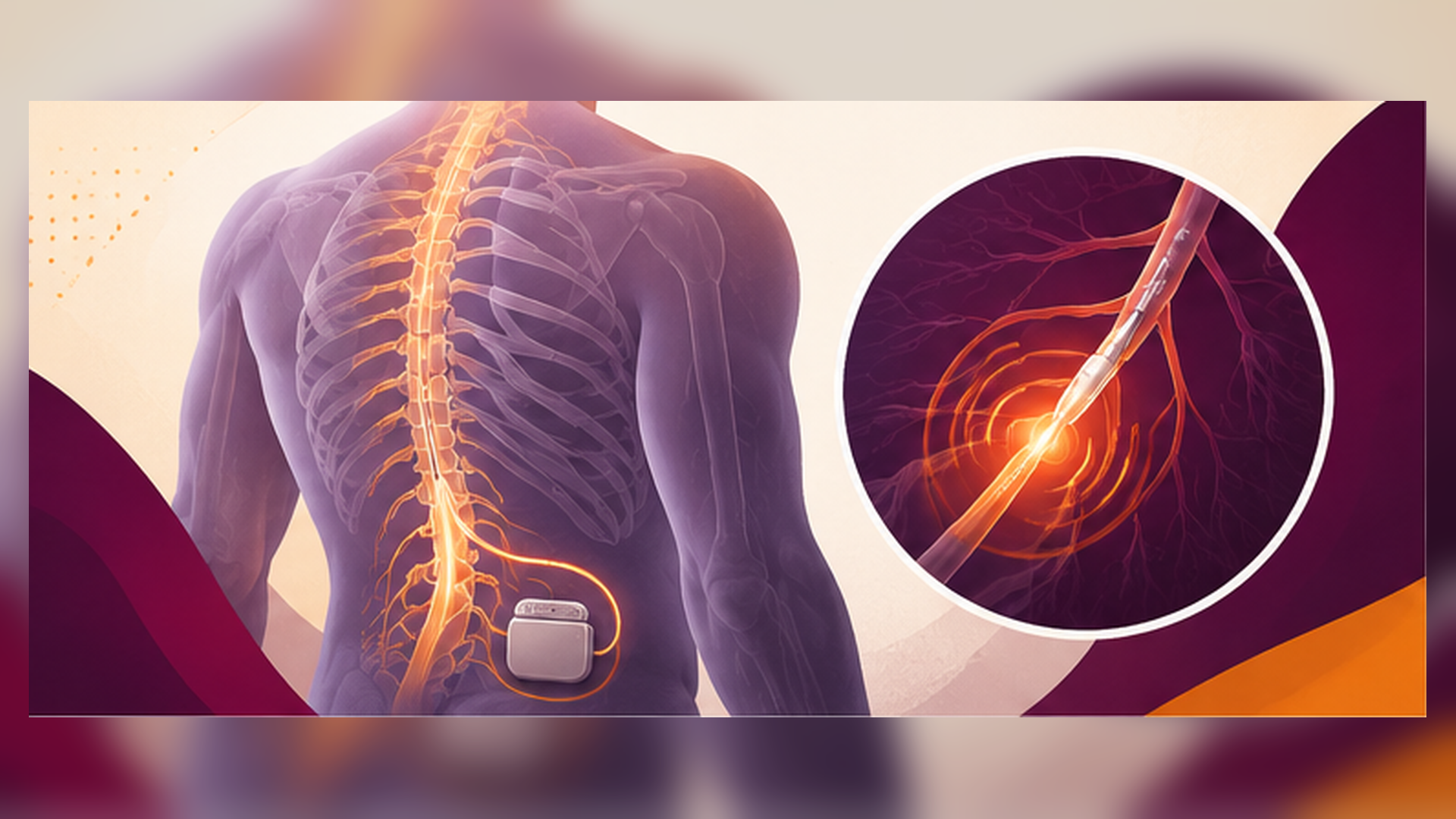
Radiofrequency ablation is a minimally invasive pain management procedure. During RFA, a pain specialist places a thin needle near the targeted nerve using imaging guidance. Radiofrequency energy is then used to heat a small area of nerve tissue.
This heat reduces the nerve’s ability to send pain signals to the brain. The treatment does not remove the painful condition itself, but it may help reduce pain intensity and improve function.
How Does RFA Help With Chronic Pain?
RFA is most helpful when pain is coming from specific nerves that can be safely targeted. This is why a diagnostic nerve block is often performed before the procedure.
If the temporary block provides meaningful relief, it may suggest that the targeted nerve is contributing to the pain. In that case, radiofrequency ablation may be considered as a longer-lasting option.
What Does Radiofrequency Ablation Treat?
Radiofrequency ablation can treat several nerve-mediated pain conditions. It is commonly used for pain related to the spine and joints, especially when pain has become chronic and has not improved enough with medication, physical therapy, or injections.
Below are some of the most common conditions treated with radiofrequency ablation.
Conditions Treated With Radiofrequency Ablation
1. Chronic Lower Back Pain
Radiofrequency ablation for back pain is commonly used when chronic low back pain comes from the small joints in the spine, known as facet joints. These joints help support movement and stability, but they can become painful due to arthritis, degeneration, injury, or long-term wear and tear.
When facet joint nerves become irritated, patients may feel aching, stiffness, or pain that worsens with standing, twisting, bending backward, or prolonged activity. RFA may help reduce these pain signals and make daily movement more comfortable.
2. Facet Joint Pain
Facet joint pain is one of the most common reasons pain doctors recommend RFA. Facet joints are located in the neck, mid-back, and lower back. When they become inflamed or arthritic, they can cause localized pain and restricted movement.
Medial branch nerves carry pain signals from the facet joints. Medial branch nerve blocks may be used first to confirm the pain source. If the blocks help, radiofrequency ablation may be used to treat the same nerves for longer-lasting relief.
3. Chronic Neck Pain
Radiofrequency ablation may also be used for chronic neck pain when the pain is coming from cervical facet joints. This type of pain may feel like stiffness, aching, or soreness in the neck and upper shoulders.
Some patients may also experience headaches that start from the upper neck area. When the pain source is confirmed through diagnostic blocks, cervical RFA may be considered as part of a customized pain management plan.
4. Arthritis-Related Spine Pain
Degenerative joint disease and osteoarthritis can affect the spine over time. As joints wear down, they may become inflamed and painful. This can lead to chronic pain in the lower back, neck, or other spine regions.
Radiofrequency ablation does not cure arthritis or rebuild damaged joints. However, it may help reduce pain signals from arthritic joints, allowing some patients to move better, sleep more comfortably, and participate more easily in rehabilitation or daily routines.
5. Sacroiliac Joint Pain
The sacroiliac joints, or SI joints, connect the lower spine to the pelvis. When these joints become irritated, patients may feel pain in the lower back, buttocks, hips, or upper legs.
Radiofrequency ablation may be used for certain cases of sacroiliac joint pain when diagnostic testing shows that targeted nerves are contributing to symptoms. SI joint pain can look similar to sciatica or general lower back pain, so an accurate diagnosis is important.
6. Chronic Joint Pain
In some cases, RFA may be used for selected joint pain outside the spine. This may include certain types of knee, hip, or shoulder pain when specific sensory nerves are identified as pain generators.
For example, genicular nerve RFA may be considered for certain patients with chronic knee pain. Not every joint pain condition is appropriate for RFA, so a pain specialist must evaluate the diagnosis, imaging, symptoms, and previous treatment response.
7. Post-Surgical Spine Pain
Some patients continue to experience back or neck pain after spine surgery. This is sometimes called post-surgical back pain or failed back surgery syndrome, depending on the situation.
Radiofrequency ablation may help if the ongoing pain is coming from facet joints, SI joints, or other nerve-mediated sources. It is not a treatment for every type of post-surgical pain, so a detailed evaluation is needed before recommending RFA.
8. Pain From Spinal Degeneration
Spinal degeneration can involve discs, joints, ligaments, and surrounding structures. When degeneration leads to irritated facet joints or related nerve pain, radiofrequency ablation may be an option.
Patients with degenerative disc disease, spinal arthritis, or spinal stenosis may need a full diagnostic workup to identify the main pain generator. RFA may help in selected cases, but it is usually only one part of a broader treatment plan.
What Conditions Are Usually Not Treated With RFA?
Radiofrequency ablation is not the right treatment for every type of pain. It is designed to target certain pain-carrying nerves, not to repair structural damage.
RFA may not be appropriate for:
- Pain caused mainly by active nerve compression
- Severe weakness or progressive numbness
- Pain from an untreated fracture, infection, or tumor
- New injury requiring urgent medical care
- Pain without a clearly identified nerve target
- Certain patients with bleeding risks or active infection
If symptoms include loss of bladder or bowel control, sudden weakness, fever with back pain, or severe new neurologic symptoms, urgent medical care may be needed.
How Do Pain Doctors Know If RFA Is Right for You?
A pain specialist will first identify where the pain is coming from. This may include a medical history, physical exam, imaging review, and discussion of previous treatments.
Diagnostic Nerve Blocks
Before radiofrequency ablation, your provider may recommend a diagnostic nerve block. This involves injecting a small amount of anesthetic near the suspected nerve.
If the block temporarily reduces pain, it helps confirm the targeted nerve is involved. This step is important because it improves the chances of selecting the right treatment.
Personalized Treatment Planning
At Vertex Pain Physicians, RFA is not treated as a one-size-fits-all procedure. Your care team may consider your pain location, duration of symptoms, imaging findings, previous treatments, activity limits, and long-term goals.
The goal is to create a plan that helps reduce pain while supporting function, mobility, and quality of life.
Benefits of Radiofrequency Ablation for Chronic Pain
Radiofrequency ablation for chronic pain may offer several benefits for appropriate candidates.
Potential benefits include:
- Longer-lasting pain relief compared to some temporary injections
- Minimally invasive treatment without major surgery
- Targeted treatment for specific pain-carrying nerves
- Reduced need for frequent pain flare management
- Improved ability to move, exercise, or complete daily tasks
- Possible reduction in reliance on certain pain medications
Results vary by patient. Some people experience relief for several months or longer, while others may need additional treatment options. Over time, nerves can regrow, and pain may return.
Radiofrequency Ablation in San Antonio, TX
If you are searching for radiofrequency ablation in San Antonio, TX, Vertex Pain Physicians. provide advanced interventional pain management for patients with chronic back pain, neck pain, SI joint pain, and other pain conditions.
Our specialists focus on identifying the cause of acute and chronic pain and developing custom treatment plans. In addition to RFA, Vertex Pain Physicians offers Medial Branch Nerve Blocks, Epidural Steroid Injections, Joint Injections, Sacroiliac Joint Injections, Trigger Point Injections, Spinal Cord Stimulation, Peripheral Nerve Stimulation, Balloon Kyphoplasty, Intrathecal Pump Implant/Targeted Drug Delivery, and the mild® Procedure.
As Vertex continues to grow, the team is expanding care through new staff, new locations, and additional communities, including Alamo Heights, Stone Oak, Kerr County, Gillespie County, and surrounding areas.
Conclusion
Radiofrequency ablation can be an effective treatment option for selected chronic pain conditions, especially pain related to facet joints, spinal arthritis, chronic back pain, chronic neck pain, and sacroiliac joint pain. It works by targeting specific nerves that send pain signals to the brain.
However, RFA is not right for every patient or every pain condition. A proper diagnosis and personalized treatment plan are essential for safe and effective care.
If you are looking for a pain management clinic in San Antonio, TX, Vertex Pain Physicians can help you explore whether radiofrequency ablation is right for your condition. Call 210-545-0087 or connect online to schedule an appointment, refer a patient, or learn how Vertex Pain Physicians can support your care.
FAQs About Radiofrequency Ablation
What does radiofrequency ablation treat?
Radiofrequency ablation treats selected nerve-mediated pain conditions, especially facet joint pain, chronic back pain, chronic neck pain, sacroiliac joint pain, arthritis-related spine pain, and certain joint pain conditions.
Is radiofrequency ablation good for back pain?
RFA may be helpful for back pain when the pain is coming from facet joints or other targetable nerves. It is not appropriate for every type of back pain, which is why diagnostic testing is important.
How long does radiofrequency ablation pain relief last?
Relief varies by patient. Some people experience improvement for several months or longer. Because nerves can regrow, pain may return over time and additional treatment may be discussed.
Is RFA a surgery?
Radiofrequency ablation is considered a minimally invasive procedure, not major surgery. It is typically performed using a needle and imaging guidance.
Do I need a nerve block before RFA?
Many patients receive diagnostic nerve blocks before RFA. If the block provides temporary relief, it may help confirm that radiofrequency ablation is targeting the correct nerve.
Medical Disclaimer
This article is for educational purposes only and should not be used as a substitute for professional medical advice, diagnosis, or treatment. Always consult a qualified healthcare provider to discuss your symptoms and determine whether radiofrequency ablation is appropriate for your condition.