Understanding Sciatica: Symptoms, Causes, and Non-Surgical Treatments
Living with sciatica can be overwhelming, especially when the pain disrupts your daily activities. Many people describe it as a sharp, shooting pain that starts in the lower back and radiates down one or both legs. At Vertex Pain Physicians in San Antonio, we understand how challenging this condition can be and are committed to providing non-surgical treatments that bring real relief.
What is Sciatica?
Sciatica refers to pain caused by irritation or compression of the sciatic nerve, which is the longest nerve in your body. It runs from the lower back, through the hips and buttocks, and down each leg. Unlike ordinary back pain, sciatica specifically follows the path of this nerve, making it unique and often more intense.
Common Sciatica Symptoms
Recognizing the symptoms of sciatica early can help you seek treatment before the condition worsens. Some common signs include:
- Pain that radiates from the lower back into the leg or foot
- Burning or sharp sensations in the leg
- Numbness or tingling in the lower extremities
- Muscle weakness that affects movement
- Pain that worsens when sitting, standing too long, or making sudden movements
Causes of Sciatica
Sciatica usually develops when something places pressure on the sciatic nerve. Some of the most common causes include:
- Herniated discs pressing on the nerve roots
- Spinal stenosis, a narrowing of the spinal canal
- Bone spurs caused by arthritis
- Degenerative disc disease
- Injuries or trauma to the spine
- Poor posture or prolonged sitting
Non-Surgical Treatments for Sciatica
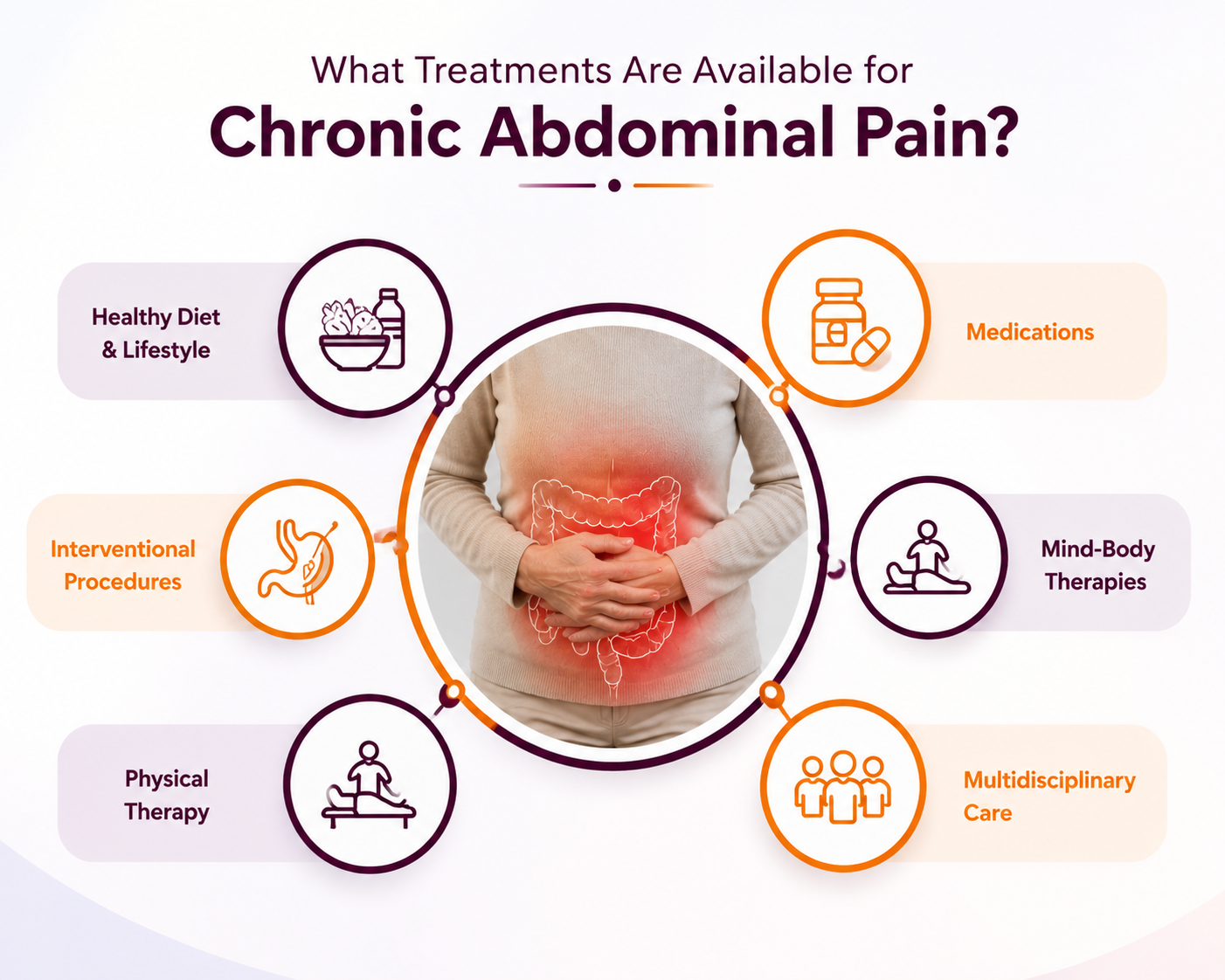
The good news is that many people find relief from sciatica without the need for surgery. At Vertex Pain Physicians, we specialize in minimally invasive and non-surgical options that target the root cause of your pain. Some effective approaches include:
Physical Therapy
Targeted exercises and stretches can strengthen supporting muscles, improve flexibility, and reduce pressure on the sciatic nerve. Customized plans are often key to long-term relief.
Medications
Over-the-counter pain relievers or prescribed medications can ease inflammation and discomfort, giving your body a chance to heal while other therapies take effect.
Epidural Steroid Injections
These injections deliver anti-inflammatory medication directly to the irritated nerve roots, reducing swelling and relieving pain.
Lifestyle Modifications
Simple adjustments, such as improving posture, practicing safe lifting techniques, and incorporating daily stretching, can prevent flare-ups and support recovery.
Alternative Therapies
Some patients benefit from acupuncture, massage therapy, or chiropractic adjustments, which may help relieve pressure on the sciatic nerve.
How to Relieve Sciatica Pain at Home
In addition to medical treatments, you can take steps at home to manage your symptoms. Applying hot or cold packs, practicing gentle stretching, and staying active with low-impact exercises like walking or swimming can ease discomfort. Resting too much can actually worsen the condition, so maintaining movement is important.
Why Choose Vertex Pain Physicians in San Antonio
When searching for sciatica treatment San Antonio residents deserve care that is both compassionate and advanced. Vertex Pain Physicians offers state-of-the-art facilities across six convenient locations. Our specialists provide personalized treatment plans that focus on non-surgical relief whenever possible. If you are looking for the best sciatica doctor San Antonio TX has to offer or need a trusted sciatica pain clinic near me, our team is here to help.
Conclusion
Sciatica can take a toll on your quality of life, but you don’t have to face it alone. With the right diagnosis and a tailored non-surgical treatment plan, relief is possible. At Vertex Pain Physicians, we are dedicated to helping you regain control of your health and live pain-free. If you’re struggling with sciatica symptoms, we encourage you to contact us or book an appointment today to explore your options for lasting relief.
FAQs
- What are the first signs of sciatica?
- Pain radiating from the lower back to the legs, often with tingling or numbness.
- Pain radiating from the lower back to the legs, often with tingling or numbness.
- Can sciatica go away on its own?
- In some cases, mild sciatica improves with rest and home care, but persistent symptoms require professional evaluation.
- In some cases, mild sciatica improves with rest and home care, but persistent symptoms require professional evaluation.
- What non-surgical treatments work best for sciatica?
- Physical therapy, medications, lifestyle changes, and epidural steroid injections are commonly effective.
- Physical therapy, medications, lifestyle changes, and epidural steroid injections are commonly effective.
- How long does it take to recover from sciatica?
- Recovery times vary, but with treatment, many patients improve within a few weeks to a few months.
- Recovery times vary, but with treatment, many patients improve within a few weeks to a few months.
- Is walking good for sciatica?
- Yes, gentle walking helps maintain mobility and reduces pressure on the sciatic nerve.
- Yes, gentle walking helps maintain mobility and reduces pressure on the sciatic nerve.
- Can poor posture cause sciatica?
- Poor posture can contribute by placing extra strain on the lower back and sciatic nerve.
- Poor posture can contribute by placing extra strain on the lower back and sciatic nerve.
- Are steroid injections safe for sciatica?
- Yes, when performed by a specialist, they are generally safe and provide targeted relief.
- Yes, when performed by a specialist, they are generally safe and provide targeted relief.
- When should I see a doctor for sciatica?
- If your pain is severe, lasts longer than a week, or interferes with daily life, you should seek medical care.
- If your pain is severe, lasts longer than a week, or interferes with daily life, you should seek medical care.
- What happens if sciatica is left untreated?
- Prolonged nerve compression can cause lasting nerve damage and chronic pain.
- Prolonged nerve compression can cause lasting nerve damage and chronic pain.
- Can sciatica be prevented?
- Maintaining good posture, exercising regularly, and avoiding heavy lifting can lower your risk.
Disclaimer
This blog is for informational purposes only and is not a substitute for professional medical advice. Always consult a qualified healthcare provider for diagnosis and treatment of any medical condition.