Sharp vs Dull Pain in Your Lower Back: Should You Worry?
Lower back pain is a common condition that affects millions of people, and it can vary greatly in intensity, type, and duration. Whether you experience sharp, stabbing pain or dull, aching discomfort, understanding the difference and knowing when to seek medical help is essential. At Vertex Pain Physicians in San Antonio, we specialize in diagnosing and treating back pain with a personalized approach to provide relief and improve your quality of life.
Sharp Lower Back Pain vs Dull Lower Back Pain
The type of pain you experience in your lower back can provide valuable information about its cause. Understanding the differences between sharp and dull pain can help you determine the next steps for treatment.
Sharp Lower Back Pain
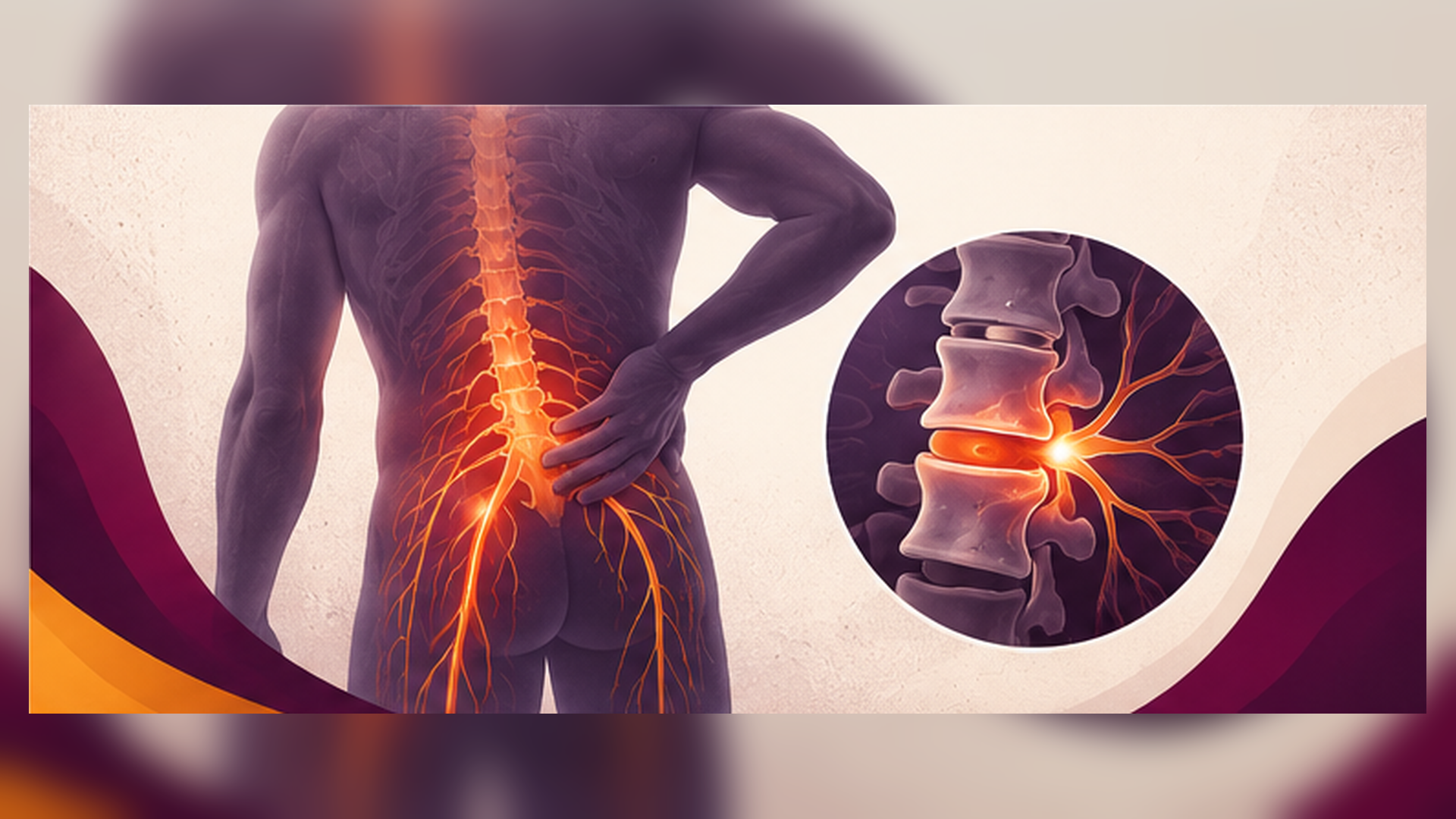
Sharp lower back pain is typically intense and localized. It may feel like a stabbing or shooting sensation that comes suddenly and may radiate to the legs or buttocks. Common causes of sharp lower back pain include:
- Herniated or Bulging Disc: When the soft material inside a disc bulges or ruptures, it can press on nearby nerves, leading to sharp, shooting pain.
- Sciatica: A pinched or irritated sciatic nerve can cause sharp pain that radiates down the leg.
- Muscle Strain: Overstretching or tearing muscles in the lower back can result in sharp pain, especially during movement or when lifting heavy objects.
- Spinal Stenosis: The narrowing of the spinal canal can lead to nerve compression, causing sharp pain in the lower back and legs.
Sharp pain often requires prompt medical attention, especially if it’s accompanied by other symptoms like numbness, weakness, or tingling.
Dull Lower Back Pain
Dull lower back pain is more of an achy, constant discomfort. It typically doesn’t come on suddenly and may be less intense than sharp pain. Dull pain is often associated with conditions that affect the muscles, ligaments, or bones in the back. Common causes include:
- Muscle Tension or Poor Posture: Sitting or standing for long periods with poor posture can strain the muscles and ligaments in the lower back, leading to dull pain.
- Degenerative Disc Disease: Over time, the discs in the spine can wear down, causing pain in the lower back that is often dull and achy.
- Osteoarthritis: This condition leads to the breakdown of cartilage in the joints of the spine, which can cause a dull ache, especially in the lower back.
- Facet Joint Dysfunction: The small joints in the spine, called facet joints, can become inflamed or arthritic, leading to a dull, persistent pain in the lower back.
Dull pain can also be a sign of a condition that is less urgent than sharp pain but still requires medical evaluation if it persists or worsens over time.
When to Worry About Lower Back Pain
Most people experience lower back pain at some point in their lives, and for many, the pain resolves with rest, proper posture, and physical therapy. However, there are certain situations where back pain should be taken more seriously. You should seek medical attention if:
- The pain is sudden and severe: Sharp, sudden pain in the lower back may indicate a serious injury, such as a herniated disc or muscle strain.
- Pain radiates to other parts of the body: Pain that spreads down the legs or causes numbness or tingling could suggest nerve compression or sciatica.
- You experience weakness or loss of coordination: If you feel weak in your legs or have difficulty walking, it may indicate a more serious issue, such as a spinal injury or nerve compression.
- Pain is accompanied by other symptoms: If you experience fever, unexplained weight loss, or difficulty controlling your bladder or bowels, you should seek immediate medical attention.
If your lower back pain persists for more than a few weeks or interferes with your daily activities, it’s a good idea to consult a doctor for a thorough evaluation.
Back Pain Diagnosis and Treatment
When you visit Vertex Pain Physicians in San Antonio for back pain, we begin by performing a thorough back pain diagnosis San Antonio TX. This process may include:
- Medical History: A review of your symptoms, lifestyle, and previous injuries or conditions that may be contributing to your back pain.
- Physical Exam: A series of tests to assess your range of motion, strength, and reflexes.
- Imaging Tests: X-rays, MRIs, or CT scans may be used to evaluate the spine, discs, and nerves for abnormalities or injuries.
Once we have a clear understanding of the cause of your back pain, we will recommend appropriate treatments, which may include:
- Physical Therapy: Exercises and stretches to improve flexibility, strengthen muscles, and reduce pressure on the spine.
- Medications: Over-the-counter pain relievers or prescription medications for more severe pain.
- Epidural Steroid Injections: To reduce inflammation and provide relief from nerve-related pain.
- Surgical Treatment: In some cases, surgery may be required for conditions such as herniated discs or spinal stenosis.
Why Choose Vertex Pain Physicians in San Antonio?
If you’re experiencing lower back pain and need expert care, Vertex Pain Physicians is here to help. Our clinic specializes in comprehensive diagnosis and non-surgical treatments for back pain, and we are dedicated to helping you find lasting relief. Whether you’re seeking a sudden back pain doctor near me or the best back pain specialist San Antonio, we have the expertise to guide you toward the right solution.
Conclusion
Understanding the difference between sharp and dull pain in your lower back can help you determine when it’s time to seek medical help. While many cases of back pain improve with self-care, persistent, severe, or radiating pain requires professional evaluation. If you’re experiencing back pain, don’t wait to get the help you need. Contact us or book an appointment today for a consultation.
FAQs
- What causes sharp lower back pain?
Sharp lower back pain can be caused by conditions such as herniated discs, sciatica, muscle strain, or spinal stenosis. - What causes dull lower back pain?
Dull pain is often caused by muscle tension, degenerative disc disease, osteoarthritis, or facet joint dysfunction. - When should I worry about back pain?
You should seek medical attention if the pain is severe, radiates to other parts of the body, is accompanied by weakness or loss of coordination, or causes bladder or bowel problems. - What are the treatment options for lower back pain?
Treatment may include physical therapy, medications, injections, or surgery depending on the underlying cause. - How is back pain diagnosed?
Back pain is diagnosed through a medical history review, physical examination, and imaging tests like X-rays or MRIs. - What should I do if my back pain doesn’t improve?
If your pain persists or worsens over time, it’s important to consult with a healthcare provider to determine the cause and appropriate treatment. - Can poor posture cause lower back pain?
Yes, poor posture can strain the muscles and ligaments in the lower back, leading to discomfort or pain. - How long does lower back pain last?
The duration of lower back pain varies. Acute pain may resolve within a few days to weeks, while chronic pain can last longer and require medical intervention. - Are there exercises to help with back pain?
Yes, physical therapy and strengthening exercises can help reduce pain and prevent future episodes of back discomfort. - Why choose Vertex Pain Physicians for back pain treatment?
We offer personalized, non-surgical treatment options designed to address the root cause of your back pain and provide lasting relief.
Disclaimer
This blog is for informational purposes only and should not replace professional medical advice. Always consult with your doctor!