Types of Spinal Cord Stimulators: Traditional vs Rechargeable
Chronic pain can limit your ability to work, sleep, and enjoy daily activities. When conservative treatments fail, spinal cord stimulation (SCS) offers an effective alternative. At Vertex Pain Physicians in San Antonio, our specialists provide advanced spinal cord stimulator therapy to help patients manage long-term pain. Understanding the differences between traditional and rechargeable spinal cord stimulators can help you make an informed decision about your care.
What Is Spinal Cord Stimulation?
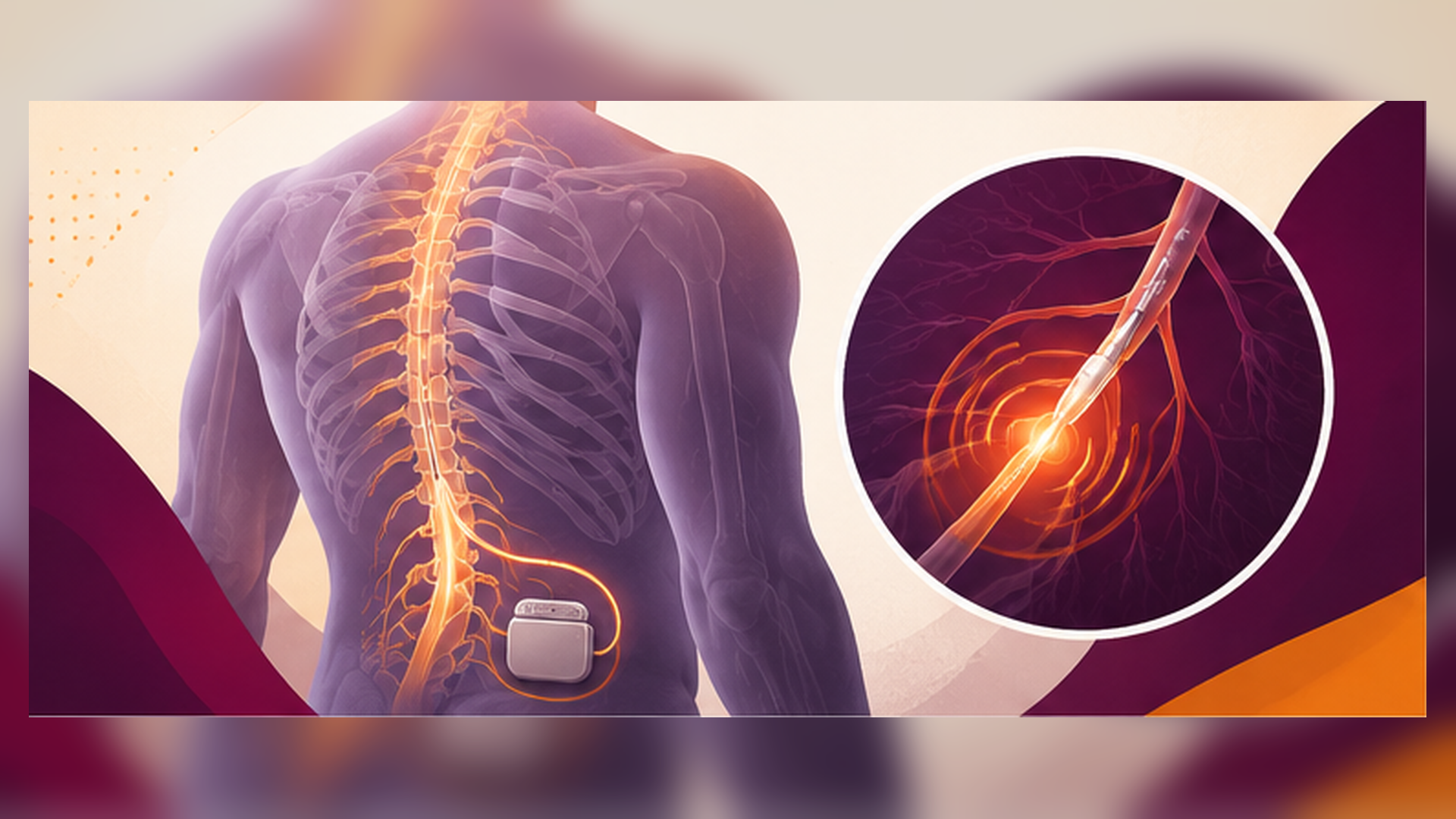
Spinal cord stimulation is a minimally invasive treatment that uses a small device to deliver mild electrical pulses to the spinal cord. These pulses interrupt pain signals before they reach the brain, reducing chronic pain sensations. The treatment is ideal for patients with back, leg, or nerve pain that has not responded to other therapies.
Types of Spinal Cord Stimulators
There are two main types of spinal cord stimulators: traditional (non-rechargeable) and rechargeable systems. Both types deliver electrical stimulation to the spinal cord, but they differ in battery design, longevity, and maintenance.
Traditional (Non-Rechargeable) Spinal Cord Stimulator
Traditional spinal cord stimulators have a built-in battery that cannot be recharged. Once the battery life ends—typically between three to five years—the device needs to be surgically replaced. These systems are best suited for patients who require lower stimulation levels or have difficulty managing a rechargeable device.
Pros:
- Simple and easy to use
- No recharging required
- Suitable for patients with limited dexterity or memory issues
Cons:
- Shorter lifespan (requires replacement surgery)
- Higher long-term maintenance
- May not support advanced stimulation programs
Rechargeable Spinal Cord Stimulator
Rechargeable spinal cord stimulators have batteries that can be recharged externally through the skin using a wireless charger. These devices last much longer—often up to 10 years or more—before replacement is needed. Rechargeable models also provide more advanced programming options for personalized pain control.
Pros:
- Longer battery life (up to a decade)
- More advanced pain management features
- Fewer replacement surgeries needed
Cons:
- Requires regular recharging
- Slightly more complex maintenance
How to Choose Between Traditional and Rechargeable Systems
The choice between a traditional and a rechargeable spinal cord stimulator depends on your lifestyle, pain level, and personal preferences. Your pain specialist will assess your medical history, activity level, and ability to manage recharging before recommending the best option. Rechargeable systems are ideal for younger, active patients or those needing higher stimulation, while traditional systems suit patients who prefer a simpler, low-maintenance solution.
The Procedure: What to Expect
The process begins with a trial period where a temporary device is placed to test your response. If you experience significant pain relief, a permanent spinal cord stimulator is implanted. The procedure is outpatient-based, and most patients resume normal activities within a few days.
Benefits of Spinal Cord Stimulator Therapy
- Significant reduction in chronic pain
- Decreased reliance on pain medications
- Improved mobility and quality of life
- Adjustable and customizable pain control
Why Choose Vertex Pain Physicians in San Antonio
At Vertex Pain Physicians, we specialize in advanced spinal cord stimulation therapy tailored to each patient’s needs. Our experienced specialists use the latest technologies to ensure precise placement and effective pain relief. Whether you’re considering a traditional or rechargeable spinal cord stimulator, we’ll help you choose the most suitable option for lasting comfort.
Conclusion
Spinal cord stimulation offers new hope for patients with chronic pain. Understanding the difference between traditional and rechargeable systems helps you choose the best path toward relief. If you’re ready to explore spinal cord stimulation options, trust the experts at Vertex Pain Physicians. Visit our facilities or schedule a consultation today.
Call to Action
Take the first step toward pain relief. Book your consultation with our specialists through our request appointment page or get in touch via our facilities. Effective pain management starts here.
FAQs
- What is the main difference between traditional and rechargeable spinal cord stimulators?
- Traditional devices need surgical replacement when the battery dies, while rechargeable ones can last over ten years with regular charging.
- Traditional devices need surgical replacement when the battery dies, while rechargeable ones can last over ten years with regular charging.
- How often do I need to recharge a rechargeable spinal cord stimulator?
- Most patients recharge their device once every few days, depending on usage.
- Most patients recharge their device once every few days, depending on usage.
- Is spinal cord stimulation safe?
- Yes, it is a safe, FDA-approved therapy for chronic pain management.
- Yes, it is a safe, FDA-approved therapy for chronic pain management.
- How long does the procedure take?
- The implantation procedure usually takes one to two hours and is minimally invasive.
- The implantation procedure usually takes one to two hours and is minimally invasive.
- Will I feel the electrical pulses from the stimulator?
- Modern devices are designed to provide comfortable stimulation with minimal sensation.
- Modern devices are designed to provide comfortable stimulation with minimal sensation.
- Can spinal cord stimulation reduce my need for pain medication?
- Yes, many patients are able to reduce or even eliminate pain medications after SCS therapy.
- Yes, many patients are able to reduce or even eliminate pain medications after SCS therapy.
- How soon can I return to normal activities after implantation?
- Most patients resume normal activities within a few days after the procedure.
- Most patients resume normal activities within a few days after the procedure.
- Does insurance cover spinal cord stimulator therapy?
- Most insurance plans, including Medicare, cover SCS therapy when medically necessary.
- Most insurance plans, including Medicare, cover SCS therapy when medically necessary.
- Can I undergo MRI scans with a spinal cord stimulator?
- Some newer models are MRI-compatible; your specialist will guide you based on your device.
- Some newer models are MRI-compatible; your specialist will guide you based on your device.
- Where can I get spinal cord stimulator treatment in San Antonio?
- You can receive expert care and treatment at Vertex Pain Physicians.
Disclaimer
This content is for informational purposes only and should not replace professional medical advice. Always consult with your healthcare provider for diagnosis and personalized treatment recommendations.