What Is the Best Shot for Joint Pain: Cortisone, Gel, or PRP?
Joint pain can make everyday life difficult. Simple activities like walking, climbing stairs, standing at work, exercising, or getting in and out of a car can become painful when your knees, hips, shoulders, or other joints are stiff, swollen, or irritated.
Many people try rest, ice, braces, over-the-counter pain relievers, stretching, or activity changes first. These steps may help for a short time, but when pain keeps returning, many patients begin asking the same question: what is the best shot for joint pain?
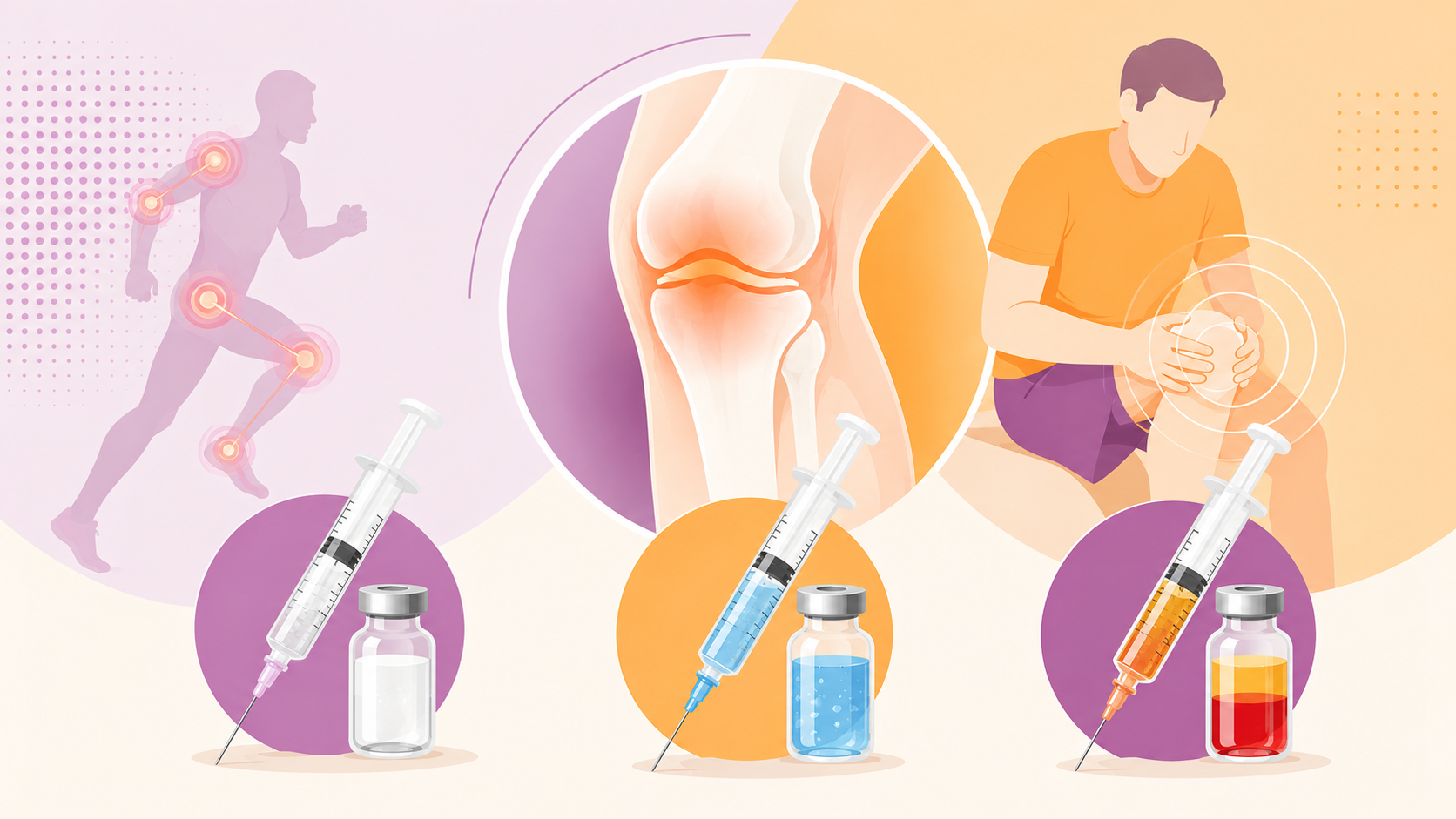
The answer depends on what is causing the pain. A cortisone injection for joint pain may help when inflammation is the main issue. Gel injections for knee pain may be considered when arthritis and joint lubrication are part of the problem. PRP injection therapy may be an option for selected patients who want a regenerative-style treatment using components from their own blood.
At Vertex Pain Physicians, patients receive personalized joint pain treatment options based on symptoms, diagnosis, medical history, activity level, and treatment goals. If you are searching for joint injections San Antonio TX, the first step is a proper evaluation to understand which treatment may fit your condition.
Why Joint Pain Needs the Right Diagnosis First
Joint pain is not always caused by the same problem. Two people may both have knee pain, but one may have inflammation from arthritis while the other may have tendon irritation, nerve-related pain, or pain coming from the lower back.
That is why the best shot for joint pain is not always the newest or strongest injection. It is the treatment that matches the source of your pain.
Common Reasons Joints Hurt
Joint pain may be linked to:
- Arthritis or degenerative joint disease
- Cartilage wear and tear
- Inflammation inside the joint
- Sports or overuse injuries
- Bursitis or tendon irritation
- Past injury or trauma
- Post-surgical pain
- Nerve-related pain
- Pain referred from the spine or sacroiliac joint
A pain management clinic San Antonio patients trust should look beyond symptoms alone. The goal is to identify the true pain source, then build a treatment plan that supports comfort, movement, and long-term function.
What Is a Cortisone Injection for Joint Pain?
A cortisone injection for joint pain is a common treatment used to reduce inflammation in or around a painful joint. Cortisone is a corticosteroid medication. When placed into the targeted area, it may help calm inflammation and reduce pain.
Cortisone injections San Antonio patients may receive are often used for painful joints affected by inflammation, arthritis flare-ups, bursitis, or overuse irritation. They are commonly discussed for knee, hip, and shoulder pain.
The goal of cortisone is usually faster relief. Some patients may feel improvement within a few days, while others may take longer. The amount and length of relief can vary based on the condition, severity of inflammation, and overall joint health.
When Cortisone May Be Recommended
A cortisone injection may be considered when pain is linked to:
- Joint swelling
- Inflammation
- Arthritis flare-ups
- Bursitis
- Pain that limits movement
- Pain that makes physical therapy difficult
- Short-term relief during a painful episode
For some patients, cortisone can create a window of relief. That relief may make it easier to walk, sleep, exercise gently, or participate in physical therapy.
What Patients Should Know About Cortisone
Cortisone may help reduce inflammation, but it is not always a permanent solution. Repeated injections may not be appropriate for every patient, especially if there is advanced joint damage or certain medical conditions.
This is why a specialist should review your health history, symptoms, and treatment goals before recommending cortisone.
What Are Gel Injections for Knee Pain?
Gel injections for knee pain are also called hyaluronic acid injections or viscosupplementation. Hyaluronic acid is a substance naturally found in joint fluid. It helps lubricate and cushion the joint.
When knee arthritis develops, the joint fluid may not protect the knee as well as it once did. Gel injections are designed to improve lubrication inside the knee joint and may help some patients move with less discomfort.
Gel injections are mostly used for knee osteoarthritis. They are not usually used for every joint or every type of pain. Results can vary from patient to patient.
When Gel Injections May Be Considered
Gel injections may be discussed for patients with:
- Knee osteoarthritis
- Pain with walking or standing
- Knee stiffness from wear and tear
- Pain that has not improved enough with basic care
- Interest in non-surgical knee pain treatment options
- A need for an alternative when cortisone is not preferred
Gel injections do not rebuild cartilage. Their purpose is to support lubrication and symptom control in selected patients.
What Patients Should Know About Gel Injections
Gel injections may not work immediately. Some patients notice gradual improvement over several weeks. Others may not experience significant relief.
A knee pain doctor San Antonio patients visit can help determine whether gel injections are appropriate based on symptoms, physical exam findings, and imaging when needed.
What Is PRP Injection Therapy?
PRP injection therapy stands for platelet-rich plasma therapy. PRP is made from a small sample of your own blood. The blood is processed to separate the platelet-rich portion, which is then injected into the targeted area.
Platelets contain growth factors and proteins that may support the body’s natural healing response. PRP therapy San Antonio patients ask about is often discussed for certain joint, tendon, ligament, and sports-related pain conditions.
PRP is different from cortisone because it is not mainly used for fast inflammation relief. It is also different from gel because it is not simply used to lubricate the joint. PRP is often described as a regenerative-style treatment because it uses components from your own body.
When PRP May Be Considered
PRP injection therapy may be discussed for:
- Certain cases of knee osteoarthritis
- Chronic tendon pain
- Sports or overuse injuries
- Mild to moderate joint degeneration
- Joint pain that has not improved with conservative care
- Patients interested in non-surgical treatment options
- Patients who want to support natural healing response
PRP does not usually provide instant relief. Because it depends on the body’s response, improvement may take several weeks. Some patients may need more than one treatment depending on their diagnosis and provider recommendation.
What Patients Should Know About PRP
PRP may not be right for every patient. It may also not be covered by every insurance plan. Patients with certain medical conditions or advanced joint damage may need a different approach.
A consultation helps determine whether PRP is a good fit or whether another treatment may be more appropriate.
Cortisone vs Gel vs PRP: Which Shot Is Best?
There is no single injection that works best for everyone. The best shot for joint pain depends on the reason your joint hurts, how severe the condition is, and what you want the treatment to accomplish.
Cortisone, gel, and PRP all work differently. Choosing between them requires a clear understanding of your pain source.
Cortisone May Be Best for Inflammation
Cortisone may be a good option when the joint is swollen, irritated, or inflamed. It may provide faster relief for arthritis flare-ups or inflammation-related pain.
It may be considered when the main goal is to reduce pain quickly enough to improve movement, sleep, or participation in therapy.
Gel Injections May Be Best for Knee Arthritis Lubrication
Gel injections may be considered when knee osteoarthritis is causing pain, stiffness, and reduced joint cushioning. They are designed to help with lubrication, not inflammation control or tissue regeneration.
They may be useful for selected patients who want a non-surgical option for knee arthritis symptoms.
PRP May Be Best for Selected Regenerative Care Goals
PRP may be considered when the goal is to support the body’s healing response. It may be used for certain joint, tendon, or ligament-related pain conditions.
PRP may take longer to work, but some patients prefer it because it uses their own blood components and is not a steroid.
Quick Comparison: Cortisone, Gel, and PRP
Cortisone Injection
Best for:
- Inflammation
- Swelling
- Arthritis flare-ups
- Faster short-term pain relief
Important to know:
- May work faster than other options
- Relief varies by patient
- Not always ideal for repeated long-term use
Gel Injection
Best for:
- Knee osteoarthritis
- Joint lubrication support
- Stiffness from wear and tear
- Non-surgical knee arthritis care
Important to know:
- Usually used for knees
- May take weeks to work
- Does not rebuild cartilage
PRP Injection Therapy
Best for:
- Selected joint conditions
- Tendon or ligament irritation
- Mild to moderate degeneration
- Patients interested in regenerative-style options
Important to know:
- Uses your own blood components
- May take longer to feel results
- May not be covered by all insurance plans
How a Pain Specialist Chooses the Right Injection
At Vertex Pain Physicians, the goal is not to guess which injection might help. The goal is to understand the cause of pain and create a custom treatment plan.
Your provider may review where the pain is located, when it started, what makes it worse, and how it affects your daily life. Imaging may be recommended when needed.
Your Evaluation May Include
A pain specialist may consider:
- Pain location
- Pain duration
- Swelling or stiffness
- Pain with walking, stairs, or exercise
- Past injuries
- Past surgeries
- Previous injections
- Medical history
- Current medications
- Imaging results when needed
- Your daily activity goals
This approach helps determine whether joint injections, physical therapy, medication management, nerve blocks, radiofrequency ablation, or another pain management option may be appropriate.
Are Joint Injections Painful?
Most joint injections are quick and well tolerated. The area is usually cleaned, and numbing may be used to make the process more comfortable. Some patients feel pressure, a pinch, or mild soreness afterward.
For certain joints, image guidance may be used to help place the injection accurately. This can be helpful for deeper joints or more complex pain patterns.
What to Expect After a Joint Injection
After the injection, your provider may explain:
- How long to rest the area
- When to return to normal activity
- What soreness is expected
- What symptoms should be reported
- When to schedule follow-up care
These instructions help patients recover safely and understand what is normal after treatment.
How Long Do Joint Injections Last?
The length of relief depends on the injection type, the condition being treated, and the patient’s overall joint health.
Cortisone may provide relief for weeks to months in some patients, especially when inflammation is the main pain driver. Gel injections may take longer to work, but some patients experience relief for several months. PRP may take several weeks to show improvement because it relies on the body’s healing response.
Factors That Can Affect Relief
Results may vary based on:
- Severity of arthritis
- Level of inflammation
- Joint damage
- Activity level
- Weight and joint stress
- Physical therapy participation
- Previous injuries or surgeries
- Accuracy of diagnosis
Injections often work best as part of a larger care plan. Long-term improvement may also require strengthening, stretching, activity modification, weight management when appropriate, and treatment of related spine or nerve problems.
When Should You See a Knee Pain Doctor in San Antonio?
You should consider seeing a knee pain doctor San Antonio patients trust if pain is interfering with your daily life or not improving with home care.
Signs You Should Schedule an Evaluation
You may need professional care if you have:
- Pain lasting more than a few weeks
- Swelling that keeps coming back
- Pain while walking, climbing stairs, or standing
- Knee clicking, catching, or instability
- Pain after an injury
- Difficulty exercising because of joint pain
- Pain that affects sleep
- Pain that returns after previous injections
- Arthritis symptoms that are getting worse
Early evaluation can help you avoid guessing, delaying care, or choosing the wrong treatment without knowing the real cause of pain.
Joint Pain Treatment Options Beyond Injections
Injections can be helpful, but they are not the only option. Many patients need a complete care plan that addresses the joint, surrounding muscles, movement habits, and related pain sources.
Other Treatment Options May Include
Depending on the diagnosis, treatment may include:
- Physical therapy
- Anti-inflammatory strategies
- Activity modification
- Bracing or support
- Weight management when appropriate
- Trigger point injections
- Sacroiliac joint injections
- Medial branch nerve blocks
- Radiofrequency ablation for certain pain patterns
- Peripheral nerve stimulation
- Advanced pain management procedures
- Surgical referral when needed
At Vertex Pain Physicians, treatment is customized. For some patients, a joint injection may be enough to reduce pain and improve function. For others, the pain may involve the spine, nerves, or multiple joints, requiring a broader pain management plan.
Why Choose Vertex Pain Physicians in San Antonio?
Vertex Pain Physicians provides pain management services in San Antonio for patients dealing with acute and chronic pain. The team focuses on identifying the cause of pain and building a personalized plan to help patients regain control of their health and well-being.
Patients may visit Vertex Pain Physicians for back pain, neck pain, hip pain, knee pain, degenerative joint disease, sciatica, sacroiliac joint pain, neuropathic pain, post-surgical back pain, musculoskeletal pain, and other painful conditions.
What Patients Can Expect
Patients choose Vertex Pain Physicians for:
- Personalized pain management plans
- Evaluation of acute and chronic pain
- Joint pain treatment options
- Minimally invasive pain procedures when appropriate
- Care for back, neck, hip, knee, and nerve-related pain
- San Antonio pain management services
- A patient-centered approach focused on function and quality of life
If you are searching for a pain management clinic San Antonio or joint injections San Antonio TX, Vertex Pain Physicians can help you understand your options and take the next step toward relief.
Conclusion: What Is the Best Shot for Joint Pain?
The best shot for joint pain depends on the reason your joint hurts. Cortisone may be helpful for inflammation and flare-ups. Gel injections may be considered for knee arthritis and joint lubrication. PRP injection therapy may be an option for selected patients interested in a regenerative-style treatment.
The most important step is getting the right diagnosis before choosing treatment. Joint pain can come from arthritis, inflammation, injury, nerve irritation, or referred pain from another area. A personalized evaluation helps match the right treatment to the right patient.
If joint pain is limiting your movement, sleep, work, or daily activities, Vertex Pain Physicians can help you understand your options. To learn more about locations and care options, contact Vertex Pain Physicians. To take the next step toward relief, request an appointment with a San Antonio pain management specialist today.
FAQs
What is the best shot for joint pain?
The best shot for joint pain depends on the cause of pain. Cortisone may help inflammation, gel injections may help some knee arthritis symptoms, and PRP may support healing response in selected patients.
Is a cortisone injection good for joint pain?
A cortisone injection for joint pain may be helpful when inflammation is causing swelling, stiffness, and pain. Relief varies by patient, joint condition, and severity.
Are gel injections good for knee pain?
Gel injections for knee pain may help some patients with knee osteoarthritis by improving lubrication inside the joint. Results vary and may take several weeks.
What is PRP injection therapy?
PRP injection therapy uses platelet-rich plasma from your own blood. It is injected into the painful area to support the body’s natural healing response.
Is PRP better than cortisone for joint pain?
PRP and cortisone work differently. Cortisone may offer faster inflammation relief, while PRP may be considered for longer-term tissue support in selected patients.
How long do cortisone injections last?
Cortisone injection relief may last from a few weeks to several months. The duration depends on the joint condition, inflammation level, activity level, and overall health.
How long do gel injections last?
Some patients may feel relief for several months after gel injections, especially with knee osteoarthritis. Not every patient responds the same way.
How long does PRP take to work?
PRP may take several weeks to show improvement because it relies on the body’s healing response. Some patients notice gradual improvement over time.
Where can I get joint injections in San Antonio TX?
Patients looking for joint injections San Antonio TX can contact Vertex Pain Physicians for an evaluation and personalized treatment plan.
When should I see a pain management clinic for joint pain?
You should see a pain management clinic if joint pain lasts more than a few weeks, affects walking, limits daily activities, causes swelling, or does not improve with home care.
Medical Disclaimer
This article is for educational purposes only and should not be used as a substitute for professional medical advice, diagnosis, or treatment. Joint pain treatment should be based on an individual evaluation by a qualified healthcare provider. If you have severe pain, sudden swelling, injury, fever, weakness, numbness, or worsening symptoms, seek medical care promptly.