Understanding Spinal Stenosis: Causes, Symptoms, and Relief
Spinal stenosis is a condition that involves the narrowing of the spaces within your spine, which can put pressure on the nerves traveling through the spine. This narrowing can occur in different areas of the spine, leading to symptoms that can affect your back, neck, and limbs. It is most commonly seen in the lower back and neck, causing significant discomfort and affecting daily activities. In this article, we will explore the causes, symptoms, and treatment options for spinal stenosis, along with the various relief options available to help manage the condition.
What is Spinal Stenosis?
Spinal stenosis occurs when the spinal canal narrows and compresses the nerves and spinal cord. This can happen in different sections of the spine, but it most commonly affects the lumbar (lower back) and cervical (neck) regions. The narrowing of the spinal canal can result from various factors, including degenerative changes, spinal injuries, or birth defects.
When spinal stenosis occurs, it can lead to pain, numbness, weakness, and problems with movement. The degree of symptoms can vary, ranging from mild discomfort to severe disability, depending on the location and extent of the narrowing.
Causes of Spinal Stenosis
Several factors can contribute to the development of spinal stenosis. The most common causes include:
1. Degenerative Changes (Osteoarthritis)
As we age, the spine undergoes natural wear and tear. The cartilage in the spine’s joints can deteriorate, causing the bones to rub against each other. This leads to the formation of bone spurs, which can narrow the spinal canal and compress the nerves. This is particularly common in the lumbar spine and cervical spine and is the leading cause of spinal stenosis in older adults.
2. Herniated Discs
The discs between the vertebrae act as cushions for the spine. When a disc becomes damaged or ruptures (known as a herniated disc), the gel-like substance inside can leak out, putting pressure on the surrounding nerves. This pressure can contribute to spinal stenosis by narrowing the spinal canal.
3. Spinal Injuries
Injuries to the spine, such as fractures or dislocations, can result in swelling, misalignment, or the formation of scar tissue. This can contribute to the narrowing of the spinal canal and cause spinal stenosis.
4. Congenital (Birth Defects)
Some people are born with a naturally narrow spinal canal, which can increase the risk of developing spinal stenosis later in life. This condition may not present symptoms until adulthood, but the narrowing of the spinal canal can be exacerbated by aging.
5. Thickened Ligaments
As you age, the ligaments in your spine may become thicker and less flexible. This can lead to the narrowing of the spinal canal and compress the nerves, contributing to spinal stenosis.
6. Tumors or Infections
Though less common, tumors or infections that develop within the spine can cause swelling or growths that narrow the spinal canal. These conditions may require specialized treatment or surgery.
Symptoms of Spinal Stenosis
The symptoms of spinal stenosis can vary greatly depending on the location and severity of the narrowing. Some people may have no symptoms, while others may experience significant discomfort or disability. Common symptoms include:
1. Pain
Pain is the most common symptom of spinal stenosis. If the narrowing occurs in the lumbar spine, you may experience pain in the lower back that radiates down into the legs, often referred to as sciatica. This pain is usually worse when standing or walking and may be relieved by sitting or bending forward.
In cases of cervical stenosis, the narrowing in the neck can cause pain in the neck, shoulders, and arms.
2. Numbness and Tingling
When nerves are compressed due to narrowing in the spinal canal, you may experience numbness or a tingling sensation in the affected areas, such as the legs, feet, arms, or hands.
3. Weakness
Spinal stenosis can cause muscle weakness in the legs, arms, or hands due to nerve compression. This can affect your balance and coordination, making it difficult to perform daily activities such as walking, standing, or holding objects.
4. Limited Mobility
In severe cases of spinal stenosis, nerve compression can significantly reduce mobility. This can lead to difficulty walking, standing for long periods, or participating in physical activities.
5. Loss of Bladder or Bowel Control
In rare cases, severe spinal stenosis may compress the nerves that control the bladder or bowel, leading to incontinence or a loss of control. This is a medical emergency that requires immediate attention.
Treatment Options for Spinal Stenosis
The treatment for spinal stenosis largely depends on the severity of the condition and the specific symptoms. The goal of treatment is to reduce pain, improve function, and maintain mobility. For many people, non-surgical options are effective in managing spinal stenosis symptoms.
1. Physical Therapy
Physical therapy is often the first line of treatment for spinal stenosis. A physical therapist can teach you exercises to strengthen the muscles around your spine, improve posture, and increase flexibility. Strengthening the muscles of the back, abdomen, and legs can help stabilize the spine and alleviate pressure on the nerves.
2. Medications
Over-the-counter pain relievers can help reduce pain and inflammation. If the pain is more severe, doctors may prescribe stronger medications, such as opioids or muscle relaxants, for short-term use.
Corticosteroid injections into the spinal area can provide short-term relief by reducing inflammation and swelling around the compressed nerves.
3. Epidural Steroid Injections
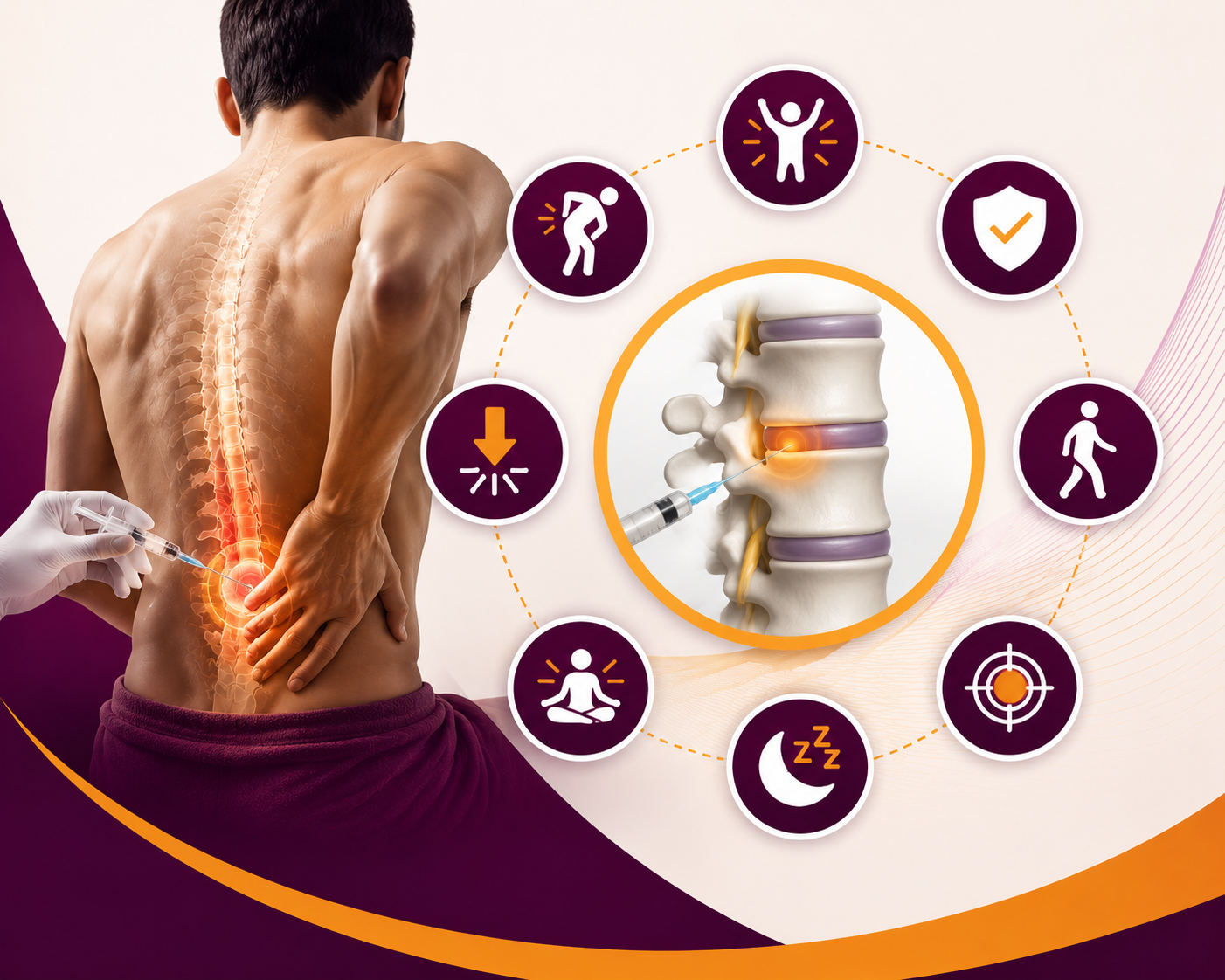
An epidural steroid injection involves injecting a corticosteroid medication into the epidural space around the spinal cord. This can help reduce inflammation and relieve pain for several weeks or months. Injections are often used when other treatments haven’t been effective.
4. Lifestyle Modifications
Maintaining a healthy weight, practicing good posture, and avoiding activities that exacerbate pain can help manage spinal stenosis. In some cases, losing weight can reduce the strain on the spine and alleviate symptoms.
5. Surgical Treatment
In cases where non-surgical treatments do not provide relief or if symptoms worsen significantly, surgery may be considered. Surgical options include:
- Laminectomy: Removing the bone or tissue that is pressing on the nerves.
- Spinal fusion: Fusing two or more vertebrae together to stabilize the spine and reduce movement.
- Foraminotomy: Enlarging the spaces where the nerves exit the spine to relieve pressure.
Conclusion
Spinal stenosis is a condition that can lead to chronic pain and mobility issues, but with proper treatment, many individuals can experience significant relief and improved quality of life. While non-surgical treatments, such as physical therapy, medications, and injections, are often effective in managing symptoms, surgery may be necessary for severe cases. Early diagnosis and treatment are essential in preventing further complications and maintaining an active, pain-free life.
If you are experiencing symptoms of spinal stenosis, don’t wait to seek help. Vertex Pain Physicians specializes in non-surgical pain management and can help you find the best treatment plan for your condition. Contact us or schedule an appointment today to discuss how we can help you manage spinal stenosis.
Frequently Asked Questions (FAQs)
1. What causes spinal stenosis?
Spinal stenosis is caused by the narrowing of the spinal canal due to degenerative changes, herniated discs, bone spurs, or thickened ligaments. It is most commonly seen in older adults due to aging-related changes in the spine.
2. What are the symptoms of spinal stenosis?
Symptoms of spinal stenosis include pain, numbness, tingling, weakness, and limited mobility, often in the back, legs, arms, or neck.
3. Can spinal stenosis be treated without surgery?
Yes, spinal stenosis can often be managed with non-surgical treatments such as physical therapy, medications, and epidural steroid injections. Surgery is typically considered only when these treatments are not effective.
4. How long does it take to recover from spinal stenosis surgery?
Recovery time after surgery varies but typically takes several weeks to months. Physical therapy may be recommended to help strengthen the spine and improve mobility.
5. Can lifestyle changes help manage spinal stenosis?
Yes, maintaining a healthy weight, practicing good posture, and engaging in regular exercise can help manage spinal stenosis symptoms and improve overall spine health.
Disclaimer
The content provided in this blog is for informational purposes only and should not be considered as medical advice. Please consult with your healthcare provider for a personalized treatment plan for spinal stenosis.