Why Untreated Road Accident Pain Can Get Worse Over Time
After a collision, many people assume their soreness will fade with rest. However, :highlight can gradually intensify, leading to serious long-term complications. What begins as mild stiffness or discomfort may evolve into chronic inflammation, nerve irritation, and lasting mobility limitations.
Understanding how pain progresses—and why early car accident medical treatment matters—can help you protect your health and prevent avoidable suffering.
The Hidden Nature of Post-Accident Injuries
Immediately after an accident, adrenaline and shock can temporarily mask symptoms. This is why many individuals feel “fine” at the scene but develop stiffness, headaches, or back pain days later. This phenomenon is known as delayed pain after car accident trauma.
Soft tissue injuries, ligament strains, disc irritation, and nerve inflammation often take time to fully present symptoms. Without early evaluation by an injury doctor after car accident trauma, small injuries may worsen over time.
How Pain Progresses When Left Untreated
Pain does not remain static. The body responds to injury through inflammation, muscle guarding, and protective movement patterns. When treatment is delayed, several processes can contribute to worsening symptoms.
1. Persistent Inflammation
Inflammation is a natural healing response. However, when it continues unchecked, it can damage surrounding tissues and irritate nerves. Chronic inflammation is one of the main drivers of chronic pain progression.
2. Muscle Compensation and Imbalance
When one area hurts, the body shifts movement patterns to avoid discomfort. Over time, this compensation can strain other muscles and joints, spreading pain beyond the original injury.
3. Scar Tissue Formation
Improper healing may lead to scar tissue that limits flexibility and mobility. Restricted movement can increase stiffness and discomfort months after the accident.
4. Nerve Sensitization
Untreated inflammation can cause nerves to become hypersensitive. This may result in burning, tingling, or shooting pain that persists long after the initial injury.
Common Injuries That Worsen Over Time
Whiplash Injuries
Whiplash may start as mild neck stiffness but can develop into persistent headaches, shoulder tension, and reduced range of motion.
Back Injuries
Disc irritation or spinal joint inflammation may progress into chronic lower back pain if not properly managed.
Soft Tissue Damage
Muscle and ligament strains can lead to long-term instability and weakness.
Joint Injuries
Untreated joint inflammation may result in stiffness, arthritis-like symptoms, and limited mobility.
Prompt evaluation at an auto accident clinic near me can help identify these issues early.
The Long-Term Effects of Auto Injuries
Ignoring symptoms increases the risk of long-term complications. The long-term effects of auto injuries may include:
- Chronic neck or back pain
- Persistent headaches
- Limited flexibility
- Radiating nerve pain
- Sleep disturbances
- Reduced work capacity
- Emotional stress and anxiety
Chronic pain can impact every aspect of daily life, from work productivity to family responsibilities.
Why Early Pain Management Matters
Seeking pain management after car accident injuries is not just about short-term relief—it’s about preventing long-term damage.
Early intervention helps:
- Control inflammation
- Restore mobility
- Prevent nerve sensitization
- Reduce scar tissue formation
- Improve healing outcomes
If you are searching for a car accident doctor near me, timely evaluation can make a significant difference in recovery.
What to Expect from Early Medical Evaluation
A comprehensive assessment may include:
- Detailed physical examination
- Imaging studies if necessary
- Functional movement evaluation
- Personalized treatment planning
Visiting a same day car accident doctor allows treatment to begin before inflammation becomes chronic.
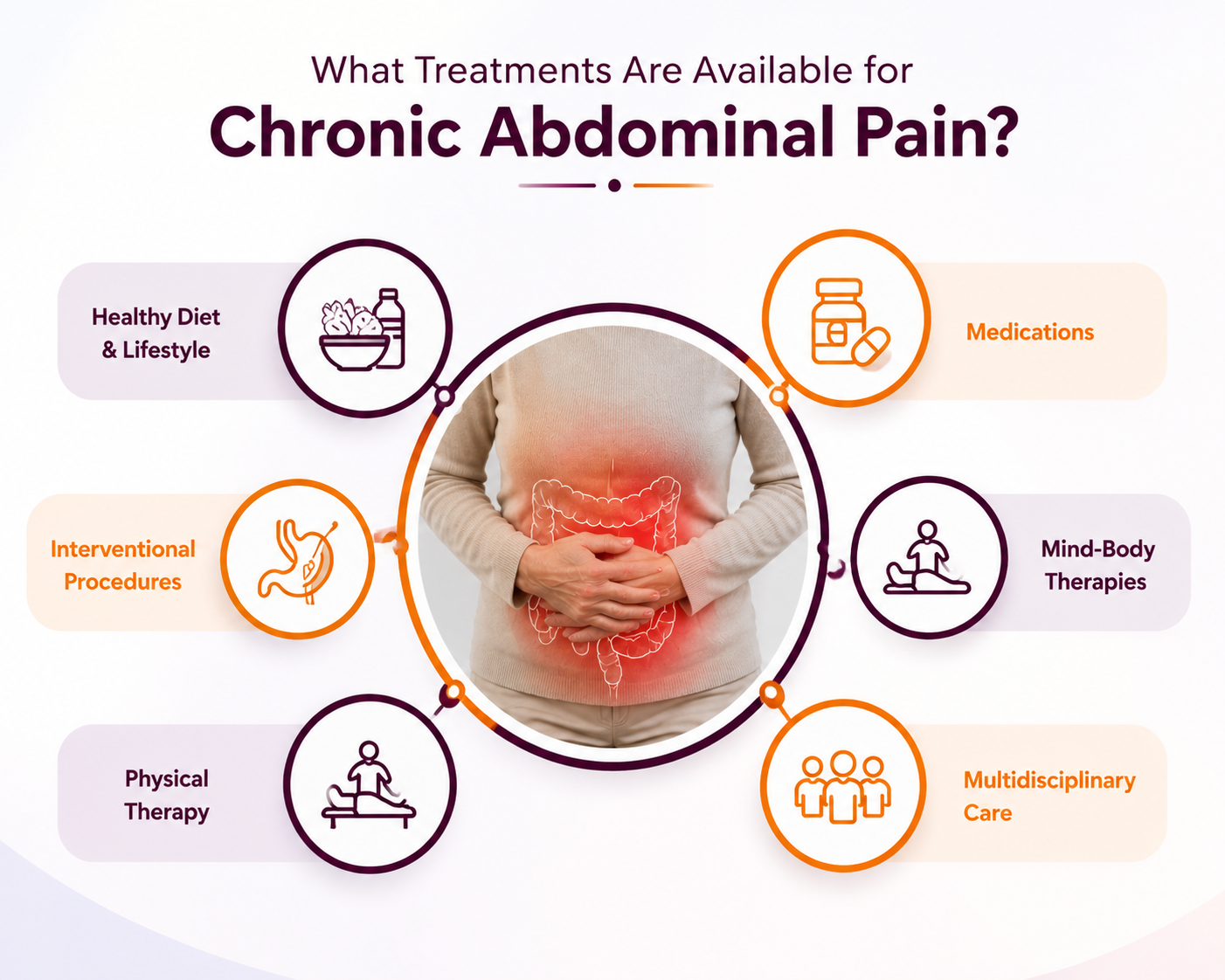
Treatment Options That Prevent Pain Progression
1. Medication Management
Short-term use of anti-inflammatory medications can help reduce swelling and discomfort during the acute phase.
2. Physical Therapy
Targeted exercises improve strength, flexibility, and alignment. Early therapy reduces compensatory movement patterns that contribute to worsening pain.
Learn more about structured rehabilitation options on our Auto Accident Injury Treatment page.
3. Interventional Pain Procedures
When conservative measures are insufficient, minimally invasive procedures may help interrupt pain signals and reduce inflammation.
These may include:
- Epidural steroid injections
- Facet joint injections
- Nerve blocks
- Trigger point injections
Explore advanced care options through our Interventional Pain Management Services.
4. Lifestyle Modifications
- Maintaining good posture
- Gentle daily movement
- Stress reduction
- Avoiding heavy lifting until cleared
Small adjustments can significantly reduce the risk of chronic pain progression.
The Psychological Component of Untreated Pain
Chronic pain is not purely physical. Ongoing discomfort can lead to anxiety, depression, and sleep disturbances. Emotional stress can amplify inflammation and muscle tension, creating a cycle of worsening pain.
Comprehensive pain management San Antonio TX programs often address both physical and emotional aspects of recovery.
Warning Signs You Should Not Ignore
Seek immediate evaluation if you experience:
- Pain that worsens instead of improving
- Numbness or tingling in arms or legs
- Persistent headaches after a crash
- Limited mobility interfering with work
- Pain lasting longer than several weeks
An experienced injury doctor after car accident trauma can determine whether advanced treatment is necessary.
The Cost of Delaying Care
Waiting too long to seek care may result in:
- Extended recovery time
- Higher medical expenses
- Greater dependence on medication
- Increased risk of chronic disability
Early car accident medical treatment reduces both physical and financial burdens over time.
Choosing the Right Clinic After a Car Accident
When searching for an auto accident clinic near me, look for a facility that offers:
- Comprehensive evaluations
- Diagnostic imaging coordination
- Rehabilitation services
- Interventional pain procedures
- Insurance and documentation support
Our Car Accident Injury Clinic provides coordinated care to support both recovery and proper documentation.
Preventing Chronic Pain After a Collision
You can reduce the risk of long-term complications by:
- Seeking medical care within 24–72 hours
- Following treatment recommendations consistently
- Attending all therapy sessions
- Reporting new symptoms promptly
- Maintaining open communication with your provider
If you are unsure whether your symptoms require evaluation, schedule a consultation through our Request an Appointment page.
Final Thoughts
Minor soreness after a crash should never be dismissed. What seems like a small issue today can develop into persistent, life-altering discomfort tomorrow. Untreated car accident pain may worsen through inflammation, nerve sensitization, and muscle imbalance.
If you are experiencing symptoms following a collision, seeking early pain management after car accident care can protect your long-term health. Comprehensive pain management San Antonio TX services are designed to reduce inflammation, restore mobility, and prevent chronic pain progression before it takes hold.
Frequently Asked Questions
Can pain really appear days after an accident?
Yes. Delayed inflammation and muscle tension may cause symptoms to emerge gradually.
How long does it take for chronic pain to develop?
Pain lasting more than three months is generally classified as chronic.
What if imaging tests are normal?
Soft tissue injuries and nerve irritation may not appear on standard X-rays.
Should I see a specialist right away?
Early evaluation by a qualified provider reduces the risk of chronic complications.
Is early treatment expensive?
Prompt care often prevents more costly long-term treatments.
Medical Disclaimer: This article is for informational purposes only and does not replace professional medical advice. Always consult a qualified healthcare provider for diagnosis and treatment following an auto accident.