Why Do I Keep Getting Migraines Every Week?
Getting a migraine every week can feel exhausting, unpredictable, and disruptive. One day you may be working, driving, caring for family, or trying to rest, and suddenly the headache becomes intense enough to interrupt everything. For some people, migraines bring throbbing head pain. For others, they also cause nausea, light sensitivity, sound sensitivity, dizziness, neck pain, or visual changes.
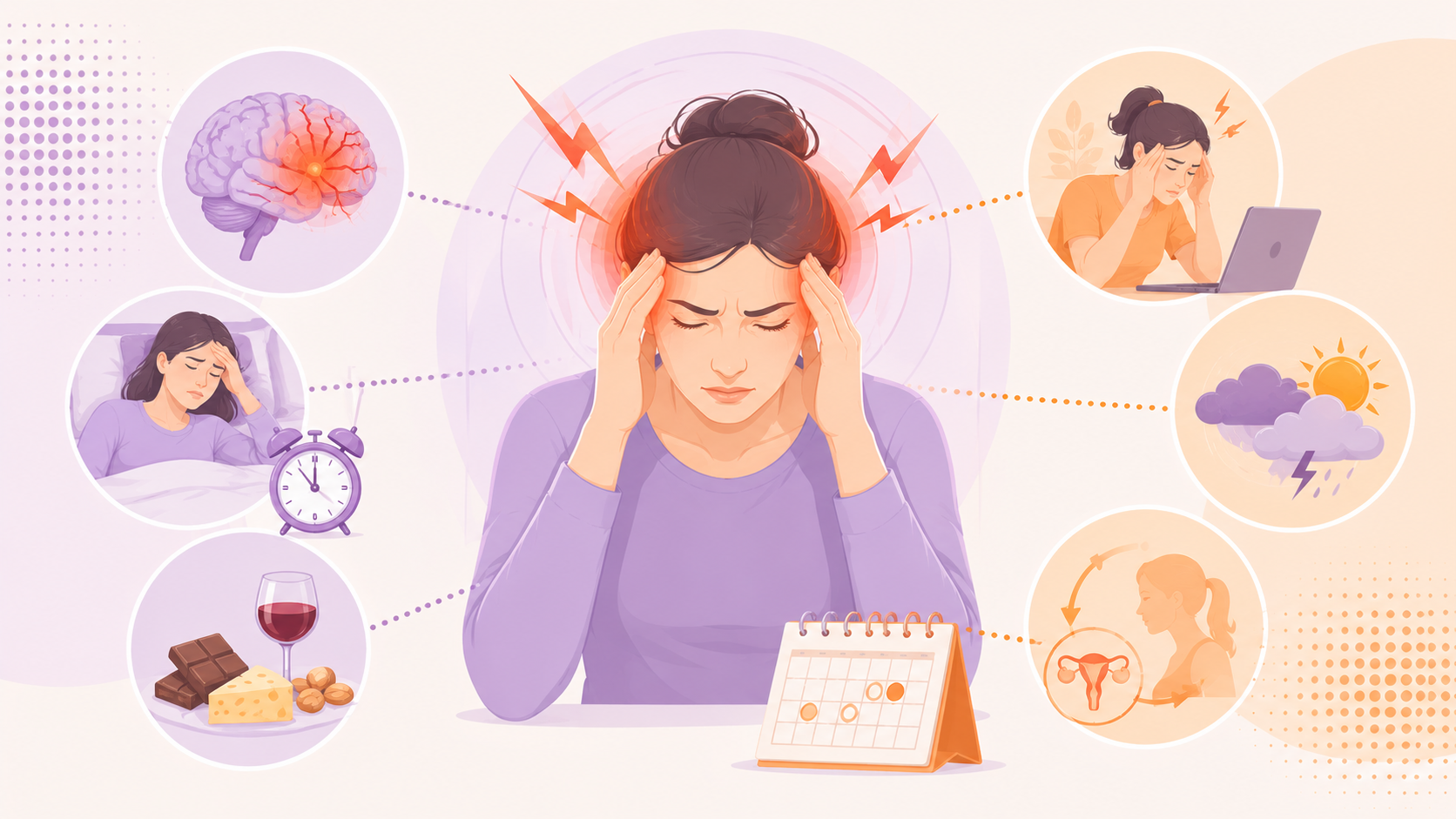
If you keep having weekly migraine headaches, it is normal to wonder why they keep coming back. Frequent migraines can happen for many reasons, including stress, sleep problems, hormone changes, certain foods, dehydration, medication overuse, neck-related pain, nerve irritation, or an underlying headache disorder.
The important point is this: frequent migraines should not be ignored. When migraines happen every week, they can affect your work, mood, sleep, family life, and overall quality of life. They may also be a sign that your current migraine treatment options are not controlling the problem well enough.
At Vertex Pain Physicians, patients in San Antonio receive personalized pain management care for chronic and acute pain conditions, including headache and migraine-related pain patterns. If you are searching for migraine treatment San Antonio TX, a headache specialist San Antonio patients trust, or migraine relief San Antonio, the first step is understanding what may be triggering your weekly migraines.
What Are Frequent Migraines?
Frequent migraines are migraines that happen often enough to interfere with daily life. Some people may have one migraine every few months, while others have several each month. If you are getting migraines every week, that means your symptoms are happening regularly and may need a more focused treatment plan.
Migraines are more than normal headaches. A migraine is a neurological condition that can involve changes in pain signaling, blood vessel activity, nerve sensitivity, inflammation, and brain response to triggers.
Common migraine symptoms include:
- Throbbing or pulsing head pain
- Pain on one side or both sides of the head
- Nausea or vomiting
- Sensitivity to light
- Sensitivity to sound
- Blurred vision or visual aura
- Neck stiffness or tenderness
- Dizziness or balance changes
- Fatigue before or after the headache
- Pain that worsens with activity
Weekly migraine headaches may be a sign that your nervous system is becoming more sensitive to triggers. This can create a cycle where migraines keep returning unless the underlying pattern is addressed.
Why Do Migraines Keep Coming Back Every Week?
There is usually not one single reason a person keeps getting migraines every week. Migraine patterns often develop from a combination of triggers, lifestyle factors, nerve sensitivity, medical conditions, and pain pathways.
For some people, the trigger is obvious, such as poor sleep or stress. For others, migraines seem to happen without warning. That is why keeping track of symptoms can be useful.
Common chronic migraine causes may include:
- Stress and emotional tension
- Poor sleep or irregular sleep schedule
- Dehydration
- Skipping meals
- Hormone changes
- Weather changes
- Alcohol or certain foods
- Too much caffeine or caffeine withdrawal
- Neck pain or muscle tension
- Medication overuse
- Nerve irritation
- Sinus or allergy-related triggers
- Screen time or eye strain
A chronic migraine doctor San Antonio patients visit can help identify whether migraines are connected to lifestyle patterns, nerve-related pain, neck problems, or other medical factors.
Stress and Weekly Migraines
Stress is one of the most common migraine triggers. When the body is under stress, muscles may tighten, sleep may worsen, hormones may shift, and the nervous system may become more reactive.
Some patients do not get a migraine during the stressful event itself. Instead, they get a migraine afterward, when the body finally relaxes. This is sometimes called a let-down headache or weekend migraine.
Stress-related migraine signs may include:
- Headaches after a busy workweek
- Migraines after emotional conflict
- Neck and shoulder tension before a headache
- Poor sleep before migraine attacks
- Jaw clenching or teeth grinding
- Headaches during high-pressure routines
Stress cannot always be removed, but it can often be managed better. Migraine prevention tips may include building more consistent sleep routines, hydration habits, relaxation techniques, and treatment for neck or muscle-related pain.
Sleep Problems Can Trigger Migraines
Sleep and migraines are strongly connected. Too little sleep, too much sleep, irregular sleep, or poor-quality sleep can all trigger migraines. Patients who work inconsistent schedules, stay up late, wake often, or sleep poorly may notice more frequent migraines.
Migraine attacks can also make sleep worse, which creates a cycle. Pain interrupts rest, and poor rest increases the chance of another migraine.
Sleep-related migraine triggers may include:
- Going to bed late
- Waking up at different times each day
- Sleeping too long on weekends
- Interrupted sleep
- Sleep apnea symptoms
- Poor pillow or neck position
- Screen use late at night
If weekly migraine headaches are worse in the morning or linked to poor rest, sleep quality should be discussed during your evaluation.
Food, Hydration, and Caffeine Triggers
Food triggers are different for every patient. Some people notice migraines after processed foods, red wine, aged cheese, artificial sweeteners, chocolate, or foods with preservatives. Others do not have clear food triggers at all.
Hydration is also important. Dehydration can increase headache frequency, especially in hot weather or after exercise. In San Antonio, heat exposure and dehydration may worsen headache patterns for some patients.
Caffeine can be helpful for some headaches, but too much caffeine or sudden caffeine withdrawal can trigger migraines.
Common diet-related migraine triggers may include:
- Skipping meals
- Dehydration
- Too much caffeine
- Sudden caffeine withdrawal
- Alcohol
- Processed foods
- Artificial sweeteners
- High-sodium foods
- Irregular eating schedule
A simple migraine diary can help you see whether food, hydration, caffeine, or meal timing is connected to your symptoms.
Hormone Changes and Migraine Patterns
Hormone changes can play a major role in migraines, especially for women. Some patients notice migraines before or during menstrual cycles. Others may have migraine changes during pregnancy, postpartum periods, perimenopause, or menopause.
Hormonal migraines may follow a pattern, but they can still become frequent and difficult to manage. If migraines happen weekly, hormone changes may be one part of the picture, but other triggers may also be involved.
Hormone-related migraine clues may include:
- Migraines around the menstrual cycle
- Migraines that change during perimenopause
- Headaches linked to birth control changes
- Migraines after pregnancy or during postpartum changes
- Migraine pattern changes with age
A headache specialist San Antonio patients consult may ask about timing, cycle patterns, medications, and other symptoms to understand whether hormones are contributing to frequent migraines.
Can Neck Pain Cause or Worsen Migraines?
Neck pain and migraines often happen together. Some patients feel neck tightness before a migraine starts. Others notice pain at the base of the skull, behind the eyes, or around the temples.
Neck-related pain can irritate nerves and muscles that contribute to headache patterns. In some cases, what feels like a migraine may also include cervicogenic headache, occipital nerve irritation, muscle tension, or joint-related pain in the upper spine.
Neck-related migraine signs may include:
- Headaches starting at the base of the skull
- Neck stiffness before or during a migraine
- Pain that worsens with posture or screen use
- Tenderness in the neck or shoulders
- Pain behind one eye
- Headaches after long driving or desk work
At a pain management clinic San Antonio patients visit, evaluation may include checking whether neck, nerve, or musculoskeletal pain is contributing to frequent migraines.
Medication Overuse Can Make Headaches More Frequent
Some patients take pain relievers often because they are trying to function through weekly migraines. However, frequent use of certain headache medications can sometimes lead to medication-overuse headaches.
This can create a frustrating cycle. The patient takes medication for migraine relief, but over time the headache pattern becomes more frequent.
Medication overuse does not mean a patient did anything wrong. It often happens because the migraines were not controlled well enough in the first place.
Medication overuse may be a concern if:
- You use headache medication many days each month
- Headaches return when medicine wears off
- You need medication more often than before
- Migraines are becoming more frequent
- Over-the-counter medicine no longer works well
A chronic migraine doctor San Antonio patients trust can review medication use and help create a safer long-term plan.
When Are Weekly Migraines Considered Chronic?
Migraines may be considered chronic when headaches happen very often over a longer period of time. Weekly migraines may not always meet the definition of chronic migraine, but they are still frequent enough to deserve medical attention.
If you are having migraines every week, the goal should be to reduce the number of migraine days, lower pain intensity, improve function, and prevent the pattern from becoming worse.
You should seek evaluation if migraines:
- Happen every week
- Last for many hours or days
- Interfere with work or school
- Affect sleep or mood
- Require frequent medication
- Cause nausea, vomiting, or light sensitivity
- Are becoming more intense
- Are changing in pattern
Early treatment may help prevent migraines from becoming more disabling over time.
Migraine Treatment Options
Migraine treatment options depend on how often migraines happen, how severe they are, what triggers them, and whether other pain conditions are involved. A personalized plan may include both acute treatment and prevention.
Acute treatment focuses on what to do when a migraine starts. Preventive treatment focuses on reducing how often migraines happen.
Migraine treatment options may include:
- Trigger identification
- Lifestyle and sleep changes
- Hydration and nutrition planning
- Medication review
- Preventive migraine medications when appropriate
- Nerve blocks for selected headache patterns
- Trigger point injections for muscle-related pain
- Treatment for neck-related pain
- Physical therapy when posture or muscle tension contributes
- Coordination with neurology or primary care when needed
At Vertex Pain Physicians, treatment is customized based on the patient’s pain pattern and overall health. For some patients, migraine relief San Antonio care may involve addressing neck pain, nerve irritation, muscle tension, or chronic pain factors that make headaches worse.
Migraine Prevention Tips
Prevention is an important part of care when migraines happen every week. Even small changes can help some patients reduce migraine frequency.
Helpful migraine prevention tips include:
- Keep a regular sleep schedule
- Drink water throughout the day
- Avoid skipping meals
- Limit sudden caffeine changes
- Track possible food triggers
- Manage stress with daily relaxation habits
- Reduce long periods of screen strain
- Stretch the neck and shoulders gently
- Maintain consistent exercise when tolerated
- Avoid overusing headache medication
- Keep a migraine diary
A migraine diary can include the date, time, symptoms, food, sleep, stress level, weather, medication use, and possible triggers. This information can help your provider build a better treatment plan.
When Should You See a Headache Specialist in San Antonio?
You should consider seeing a headache specialist San Antonio patients trust if migraines are happening every week or becoming harder to control. Frequent migraines can become more disruptive when they are not treated properly.
Schedule an evaluation if you have:
- Frequent migraines
- Weekly migraine headaches
- Headaches that affect work or family life
- Nausea, vomiting, or light sensitivity
- Neck pain with headaches
- Headaches that require frequent medication
- Headaches that are increasing in severity
- Migraines that do not respond to usual treatment
- Pain that affects sleep or daily function
Seek urgent medical care if you have the worst headache of your life, sudden severe headache, headache with weakness, confusion, vision loss, fainting, fever, stiff neck, seizure, head injury, or a new headache with cancer history or immune system concerns.
Why Choose Vertex Pain Physicians in San Antonio?
Vertex Pain Physicians provides pain management services in San Antonio for patients living with acute and chronic pain. The team focuses on identifying the cause of pain and building a personalized plan based on each patient’s symptoms and goals.
For patients with weekly migraines, care may involve evaluating headache patterns, neck pain, nerve irritation, medication use, and chronic pain contributors. The goal is to help patients reduce pain, improve function, and regain more control over daily life.
Patients choose Vertex Pain Physicians for:
- Personalized pain management plans
- Evaluation of frequent migraines and headache pain
- Migraine treatment San Antonio TX support
- Chronic pain and nerve-related pain care
- Treatment options for neck-related headache patterns
- San Antonio pain management services
- A patient-centered approach focused on quality of life
If you are searching for a pain management clinic San Antonio, chronic migraine doctor San Antonio, or migraine relief San Antonio, Vertex Pain Physicians can help you explore the next step.
Conclusion: Weekly Migraines Deserve Proper Care
If you keep getting migraines every week, it may be a sign that your migraine triggers, nervous system sensitivity, sleep patterns, neck pain, medications, or other health factors need attention. Frequent migraines are not something you should simply push through.
The right migraine treatment options depend on the cause and pattern of your headaches. A personalized plan may include prevention strategies, medication review, lifestyle changes, nerve or muscle-focused treatments, and care for related neck or chronic pain conditions.
If weekly migraines are affecting your work, sleep, family life, or daily activities, Vertex Pain Physicians can help you understand your options. To learn more about care locations, contact Vertex Pain Physicians. To take the next step toward relief, request an appointment with a San Antonio pain management specialist today.
FAQs
Why do I keep getting migraines every week?
Weekly migraines may happen because of stress, poor sleep, dehydration, hormone changes, food triggers, caffeine changes, medication overuse, neck pain, or chronic migraine patterns.
Are frequent migraines a serious problem?
Frequent migraines can seriously affect quality of life, work, sleep, and daily function. They should be evaluated, especially if they are getting worse or happening every week.
What are common chronic migraine causes?
Chronic migraine causes may include nervous system sensitivity, genetics, stress, sleep problems, hormone changes, medication overuse, neck pain, and repeated exposure to migraine triggers.
Can neck pain trigger migraines?
Yes, neck pain may contribute to headache and migraine patterns. Muscle tension, posture strain, upper spine irritation, or nerve-related pain can sometimes worsen migraines.
What are the best migraine prevention tips?
Helpful migraine prevention tips include regular sleep, hydration, consistent meals, stress management, trigger tracking, limited caffeine changes, reduced screen strain, and avoiding frequent medication overuse.
When should I see a headache specialist in San Antonio?
You should see a headache specialist San Antonio patients trust if migraines happen weekly, interfere with daily life, require frequent medication, or are changing in severity or pattern.
What migraine treatment options are available?
Migraine treatment options may include trigger management, lifestyle changes, medication review, preventive treatment, nerve blocks, trigger point injections, neck pain treatment, and coordinated medical care.
Can dehydration cause weekly migraine headaches?
Dehydration can trigger headaches and may contribute to migraines in some patients. Staying hydrated is especially important in hot climates such as San Antonio.
Can stress cause frequent migraines?
Yes, stress is a common migraine trigger. It may increase muscle tension, disrupt sleep, and make the nervous system more sensitive to migraine attacks.
Where can I find migraine treatment in San Antonio TX?
Patients looking for migraine treatment San Antonio TX can contact Vertex Pain Physicians for an evaluation and personalized treatment plan focused on migraine relief and improved quality of life.
Medical Disclaimer
This article is for educational purposes only and should not replace professional medical advice, diagnosis, or treatment. Migraines and frequent headaches should be evaluated by a qualified healthcare provider. Seek urgent medical care for sudden severe headache, weakness, confusion, vision loss, fainting, fever, seizure, head injury, or any headache that feels unusual or dangerous.