How to Manage Cancer Pain
Cancer can cause significant physical and emotional challenges, and one of the most difficult aspects of dealing with cancer is managing pain. Cancer-related pain is a common issue, affecting many patients at different stages of their illness. While surgery and other invasive treatments may be necessary for certain cases, there are also a variety of non-surgical and non-invasive approaches to help manage and alleviate cancer pain. This article will explore effective cancer pain management strategies, including pain relief therapies, palliative care, and various other methods that can significantly improve the quality of life for cancer patients.
Understanding Cancer Pain
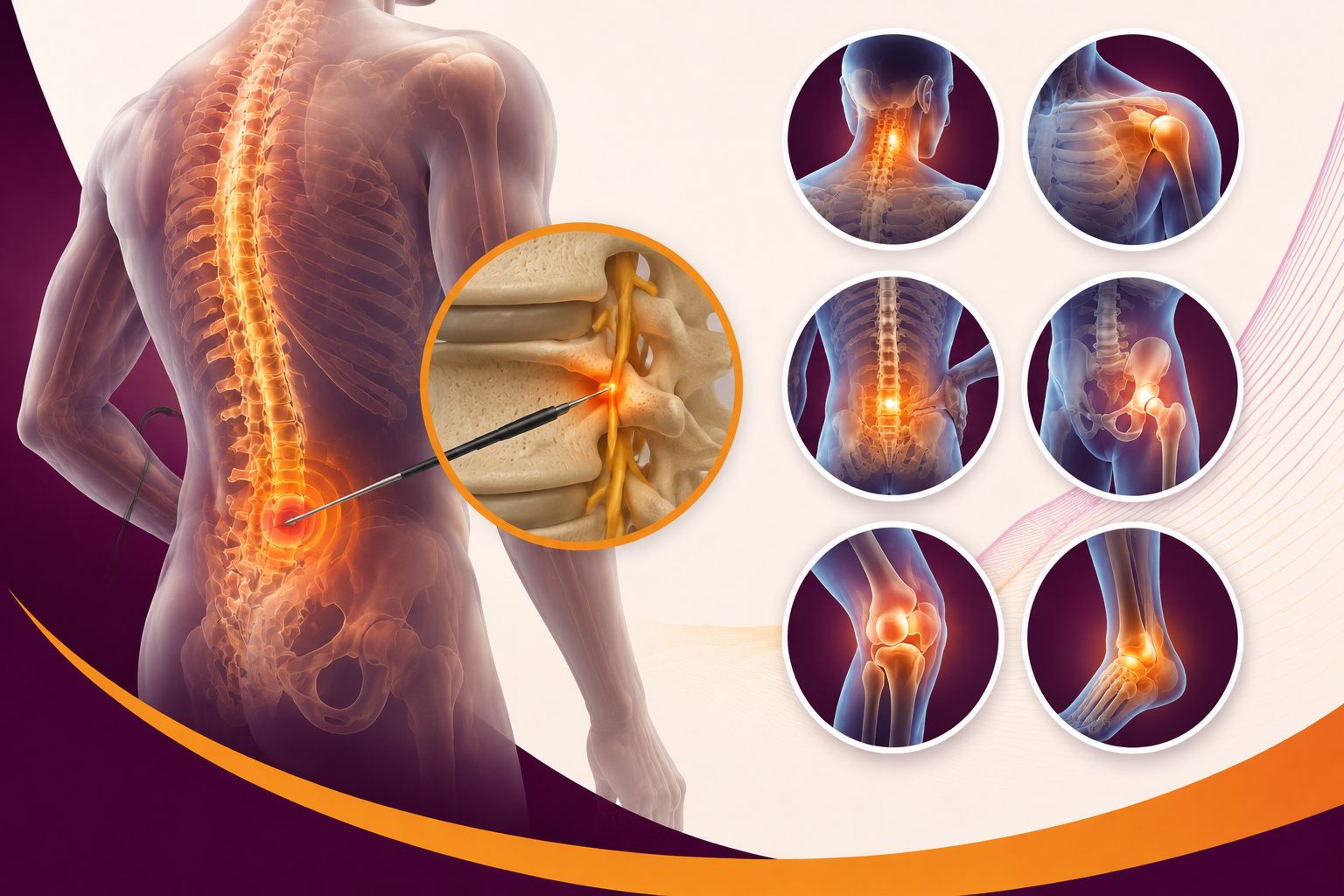
Cancer pain can arise from the cancer itself or from cancer treatments like surgery, radiation, and chemotherapy. Pain can be caused by the growth of a tumor pressing against nerves, organs, or bones. In some cases, pain results from inflammation, tissue damage, or the side effects of cancer treatments.
Pain may vary in intensity, frequency, and duration, but it is important to remember that cancer pain is manageable. Finding the right treatment plan for each patient is crucial in providing relief and enhancing overall well-being.
Cancer Pain Treatment Options
When it comes to managing cancer-related pain, there are several non-surgical treatment options that can help provide significant relief. Depending on the nature of the pain, a combination of therapies may be recommended.
1. Medications for Cancer Pain
Medications are the most common way to manage cancer pain. Different types of medications can be used depending on the severity and type of pain experienced by the patient.
Pain Medications:
- Over-the-counter medications: For mild pain, NSAIDs (non-steroidal anti-inflammatory drugs) like ibuprofen or acetaminophen can be effective.
- Opioids: For more moderate to severe pain, opioids such as morphine, oxycodone, or fentanyl are commonly prescribed.
- Adjuvant medications: These are additional medications that can be used alongside painkillers to help manage specific pain types, such as nerve pain. Antidepressants, anticonvulsants, and local anesthetics may be prescribed.
2. Palliative Care for Cancer Pain
Palliative care focuses on improving the quality of life for cancer patients by addressing pain and other symptoms. Unlike curative treatments, palliative care does not aim to cure the cancer but instead helps patients live more comfortably by managing symptoms and reducing pain.
Palliative care can be provided alongside other cancer treatments, and it includes:
- Pain relief through medications and therapies.
- Emotional and psychological support for patients and their families.
- Nutritional guidance and support for managing side effects of treatment.
Palliative care teams often include specialists such as pain management doctors, social workers, and counselors who can assist with non-invasive cancer pain management strategies.
3. Non-Surgical, Non-Invasive Pain Therapies
In addition to medications, several non-invasive therapies can be used to manage cancer pain without the need for surgery.
Common non-surgical pain management therapies include:
- Radiation therapy: This can be used to shrink tumors that are causing pain, particularly for cancers affecting the bones or brain.
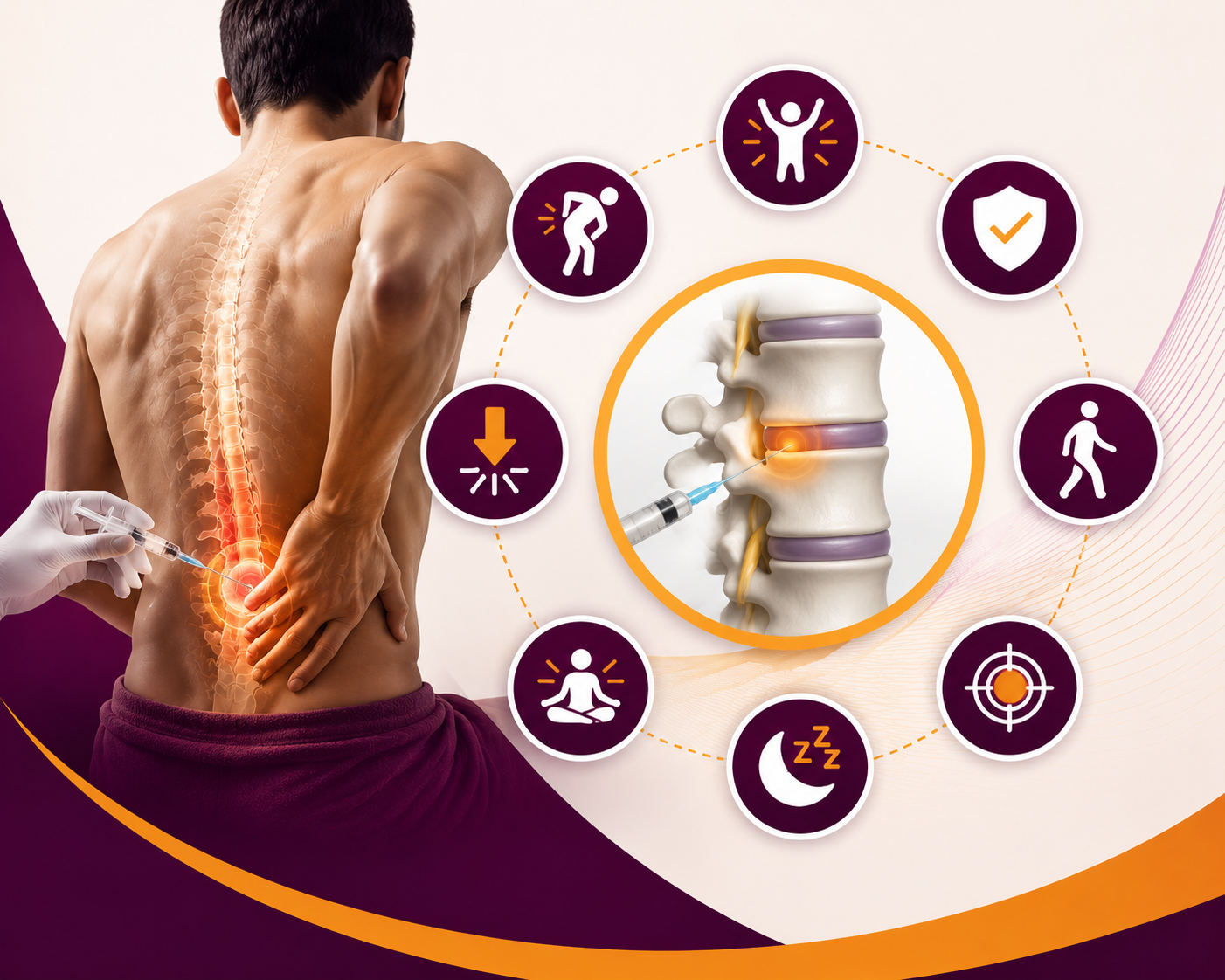
- Nerve blocks: These injections of local anesthetic can provide temporary or long-term pain relief by blocking the pain signals from specific nerves.
- TENS (Transcutaneous Electrical Nerve Stimulation): A small device that sends electrical pulses to the skin to block pain signals and reduce muscle spasms.
- Acupuncture: A traditional Chinese medicine technique that has been shown to reduce pain by stimulating specific points on the body.
- Massage therapy: A relaxing therapy that helps reduce muscle tension and alleviate pain in areas affected by cancer or treatments.
- Mindfulness and meditation: These practices can reduce emotional stress and improve the ability to cope with pain, especially in chronic cases.
4. Physical Therapy and Exercise
Physical therapy plays an important role in managing cancer-related pain, especially in patients who have undergone surgery or radiation. A physical therapist can help patients strengthen muscles, improve flexibility, and reduce stiffness, all of which can alleviate pain.
Gentle exercise such as walking, swimming, or yoga can also be helpful in managing pain by increasing circulation, improving mobility, and boosting mood through the release of endorphins (the body’s natural painkillers).
5. Psychological Support and Cognitive Behavioral Therapy
Dealing with cancer pain can take a significant emotional toll on patients. Cognitive behavioral therapy (CBT) is an effective psychological therapy that helps patients reframe negative thoughts and develop coping strategies for dealing with pain. By learning to manage stress, anxiety, and depression, patients can feel more in control of their pain and improve their overall quality of life.
6. Holistic Therapies for Cancer Pain Relief
Many patients find relief through holistic or complementary therapies that promote relaxation, reduce stress, and improve overall well-being. Some popular holistic therapies include:
- Aromatherapy: The use of essential oils, such as lavender or peppermint, can help reduce stress and relieve mild pain or nausea.
- Guided imagery: A technique where a therapist guides the patient through mental exercises to promote relaxation and help manage pain.
- Biofeedback: A technique that teaches patients to control physiological functions such as heart rate and muscle tension, helping them manage pain more effectively.
These therapies can be particularly helpful in non-invasive cancer pain relief and in supporting patients’ emotional health as they cope with their cancer diagnosis.
7. Managing Pain During Cancer Treatment
The pain experienced by cancer patients can vary depending on the type of cancer and the stage of treatment. For instance, cancer treatments like chemotherapy and radiation can sometimes cause pain and other side effects, such as nausea or mouth sores. Managing pain during cancer treatment involves addressing both the pain caused by the cancer and the side effects of treatments.
Working closely with a healthcare provider to adjust pain management strategies during the treatment phase is key to ensuring comfort. This may include using medications to manage side effects or adjusting radiation treatment to reduce pain in sensitive areas.
Conclusion
Managing cancer pain effectively is essential for maintaining a good quality of life during cancer treatment. While surgery is sometimes necessary, many patients can find relief through non-surgical cancer pain management options such as medications, physical therapy, palliative care, and various non-invasive therapies. By combining these strategies, cancer patients can manage pain more effectively and focus on their recovery and overall well-being.
At Vertex Pain Physicians, we specialize in offering a comprehensive approach to cancer pain relief that is tailored to each patient’s needs. If you’re struggling with cancer-related pain, our expert team is here to help. Don’t hesitate to contact us or schedule an appointment to discuss your treatment options and begin managing your pain effectively.
Frequently Asked Questions (FAQs)
1. What is the best treatment for cancer pain?
The best treatment for cancer pain depends on the type and cause of the pain. Treatment options can include medications, physical therapy, nerve blocks, palliative care, and complementary therapies like acupuncture and massage.
2. Can palliative care help with cancer pain?
Yes, palliative care focuses on relieving cancer pain and improving quality of life. It includes pain management, emotional support, and other services designed to help patients cope with cancer symptoms.
3. Is acupuncture effective for cancer pain?
Acupuncture has been shown to help manage cancer-related pain by stimulating specific points on the body to reduce pain and promote healing.
4. How can physical therapy help with cancer pain?
Physical therapy can help reduce pain by strengthening muscles, improving flexibility, and reducing stiffness caused by cancer or cancer treatments.
5. Can mindfulness and meditation reduce cancer pain?
Yes, mindfulness and meditation can help reduce pain by promoting relaxation, managing stress, and improving the patient’s ability to cope with chronic pain.
6. Can I use natural remedies to manage cancer pain?
Complementary therapies like aromatherapy, guided imagery, and biofeedback can be helpful in managing cancer pain, particularly when used alongside other medical treatments.
7. How do I manage cancer pain while undergoing chemotherapy?
Managing cancer pain during chemotherapy typically involves a combination of medications, physical therapy, and psychological support to address both pain and treatment side effects.
8. How long can I expect cancer pain relief to last?
The duration of pain relief depends on the type of pain and treatment used. Some treatments provide long-term relief, while others offer temporary relief. Regular adjustments to the pain management plan may be necessary.
9. Is cancer pain always severe?
Cancer pain varies from patient to patient. It can range from mild discomfort to severe pain, depending on the type of cancer, the location of the tumor, and the stage of the disease.
10. Can cancer pain be completely eliminated?
While it may not always be possible to completely eliminate cancer pain, it can usually be managed effectively with a combination of treatments to improve quality of life.
Disclaimer
The content of this blog is for informational purposes only and should not be considered as medical advice. Please consult with your healthcare provider for a personalized treatment plan.