What Treatments Are Available for Chronic Abdominal Pain?
Chronic abdominal pain can be frustrating, exhausting, and difficult to understand. Some people describe it as stomach pain, cramping, burning, pressure, sharp pain, or deep aching. Others feel pain that comes and goes for months, affects appetite, interrupts sleep, or limits daily activities.
Because the abdomen contains many organs, muscles, nerves, and connective tissues, chronic abdominal pain can have many possible causes. That is why treatment should always begin with a proper medical evaluation.
At Vertex Pain Physicians., our pain specialists in San Antonio, TX, help patients with complex acute and chronic pain conditions. When abdominal pain continues after initial evaluation or appears to involve nerve-related, musculoskeletal, post-surgical, or chronic pain pathways, pain management may be an important part of care.
What Is Chronic Abdominal Pain?
Chronic abdominal pain is pain in the belly or abdominal area that lasts for weeks to months, returns repeatedly, or continues despite basic treatment. It may be constant, intermittent, mild, severe, localized, or widespread.
Some patients feel pain in the upper abdomen, while others feel it around the belly button, lower abdomen, side, or pelvic region. The pain may be linked to eating, bowel movements, movement, stress, posture, surgery, injury, or no clear trigger at all.
Is Chronic Abdominal Pain the Same as Chronic Stomach Pain?
Many people use the term “stomach pain” to describe any pain in the abdomen. However, not all abdominal pain comes from the stomach.
Pain may come from the intestines, gallbladder, pancreas, liver, bladder, reproductive organs, abdominal wall muscles, surgical scar tissue, or irritated nerves. This is why treatment for chronic stomach pain depends on identifying the true source of symptoms.
Common Causes of Chronic Abdominal Pain
Chronic abdominal pain causes and treatment vary from patient to patient. Some causes are digestive, while others involve nerves, muscles, inflammation, prior surgery, or chronic pain processing.
Common causes may include:
- Irritable bowel syndrome
- Acid reflux or gastritis
- Inflammatory bowel disease
- Gallbladder disease
- Pancreatitis
- Endometriosis or pelvic pain conditions
- Urinary tract or bladder conditions
- Abdominal wall muscle pain
- Nerve entrapment or nerve irritation
- Scar tissue or adhesions after surgery
- Cancer-related abdominal pain
- Chronic post-surgical pain
- Functional abdominal pain syndromes
A pain specialist does not replace a primary care doctor, gastroenterologist, surgeon, gynecologist, or urologist. Instead, pain management may become part of care when pain continues, becomes disabling, or appears to involve nerve or chronic pain pathways.
When Should Abdominal Pain Be Urgent?
Some abdominal pain needs urgent medical attention. Do not wait for a routine pain management visit if symptoms are severe, sudden, or associated with warning signs.
Seek urgent medical care if abdominal pain occurs with:
- Severe or worsening pain
- Fever
- Vomiting blood
- Blood in the stool
- Fainting or confusion
- Chest pain or trouble breathing
- A hard, swollen, or tender abdomen
- Pain after an injury
- Unexplained weight loss
- Persistent vomiting
- Pregnancy-related abdominal pain
- New weakness, dehydration, or inability to keep fluids down
These symptoms may signal a condition that needs immediate evaluation.
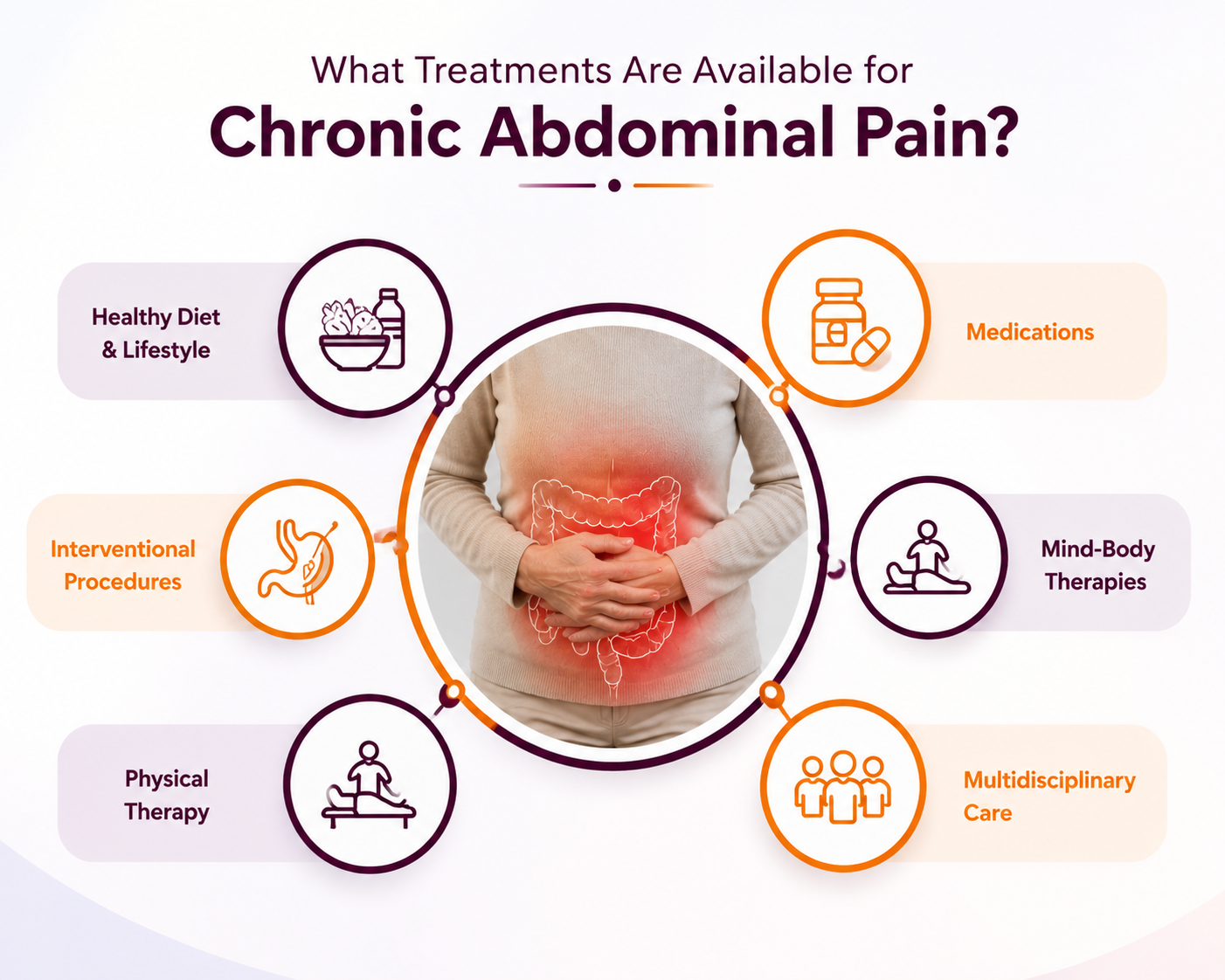
What Treatments Are Available for Chronic Abdominal Pain?
There is no single treatment that works for every patient. The right chronic abdominal pain treatment depends on the cause, severity, location, medical history, and previous treatments.
Below are common treatment options that may be considered after proper evaluation.
1. Diagnosis and Cause-Based Medical Treatment
The first step is finding the most likely cause of pain. A provider may review symptoms, perform a physical exam, order lab work, recommend imaging, or refer the patient to a specialist such as a gastroenterologist.
If abdominal pain is related to reflux, ulcers, IBS, inflammatory bowel disease, gallbladder disease, infection, pancreatitis, or pelvic conditions, treatment should address that underlying condition.
Cause-based treatment may include medications, dietary changes, procedures, specialist care, or surgery when medically necessary.
2. Lifestyle and Diet Changes
For some patients, abdominal pain may improve with changes in diet, hydration, bowel habits, sleep, and stress management. These changes are often recommended when pain is linked to digestive sensitivity, constipation, reflux, or irritable bowel patterns.
Helpful strategies may include:
- Eating smaller, more frequent meals
- Staying hydrated
- Reducing trigger foods
- Increasing fiber when appropriate
- Treating constipation or diarrhea patterns
- Avoiding excessive alcohol or irritating foods
- Tracking symptoms in a food and pain diary
Diet changes should be individualized. Patients with inflammatory bowel disease, pancreatitis, diabetes, kidney disease, or other medical conditions should follow their provider’s guidance.
3. Medication Management
Medication may be part of treatment for chronic abdominal pain, depending on the diagnosis. Options may include acid-reducing medications, antispasmodics, bowel-regulating medications, anti-inflammatory treatment, nerve pain medications, or other condition-specific therapies.
For nerve-related or chronic pain patterns, providers may consider medications that calm pain signaling rather than only treating inflammation or digestive symptoms.
Medication should always be managed carefully, especially if the patient has multiple health conditions or is already taking several prescriptions.
4. Physical Therapy and Abdominal Wall Rehabilitation
Not all abdominal pain comes from internal organs. Some pain comes from the abdominal wall, core muscles, scars, posture, or movement-related strain.
Physical therapy may help when pain is related to muscle tension, weakness, guarding, pelvic floor dysfunction, or post-surgical movement changes. A therapist may work on breathing mechanics, core stability, mobility, posture, and safe movement patterns.
This can be especially useful when pain worsens with bending, twisting, lifting, sitting, or direct pressure over a specific area.
5. Trigger Point Injections for Abdominal Wall Pain
Trigger point injections may be considered when chronic abdominal pain is linked to painful muscle knots or myofascial pain in the abdominal wall. These injections typically target a specific tender area that reproduces the patient’s pain.
For some patients, abdominal wall pain can feel similar to internal organ pain. A careful exam helps determine whether the pain may be coming from the muscles or nerves in the abdominal wall.
At Vertex Pain Physicians, trigger point injections are among the interventional treatments offered for selected pain conditions. If abdominal wall pain is suspected, a pain specialist can discuss whether this treatment may be appropriate.
6. Nerve Blocks for Abdominal Pain
Nerve blocks may be used in pain management for abdominal pain when symptoms appear to involve specific nerve pathways. A nerve block uses medication placed near a nerve or nerve group to reduce pain signals.
Depending on the pain source, providers may consider different types of nerve blocks. In some cases, abdominal wall nerve blocks may help pain from nerve entrapment, surgery, trauma, or localized nerve irritation.
For severe upper abdominal pain related to certain conditions, such as pancreatic cancer or chronic pancreatitis, some specialists may discuss celiac plexus block. This treatment targets a group of nerves that carry pain signals from several upper abdominal organs.
The specific type of nerve block depends on the diagnosis and should only be recommended after a detailed evaluation.
7. Interventional Pain Management for Chronic Abdominal Pain
When chronic abdominal pain continues despite conservative care, interventional pain management may help selected patients. The goal is to reduce pain signals, improve function, and support quality of life.
Treatment options may include:
- Trigger Point Injections
- Nerve Blocks
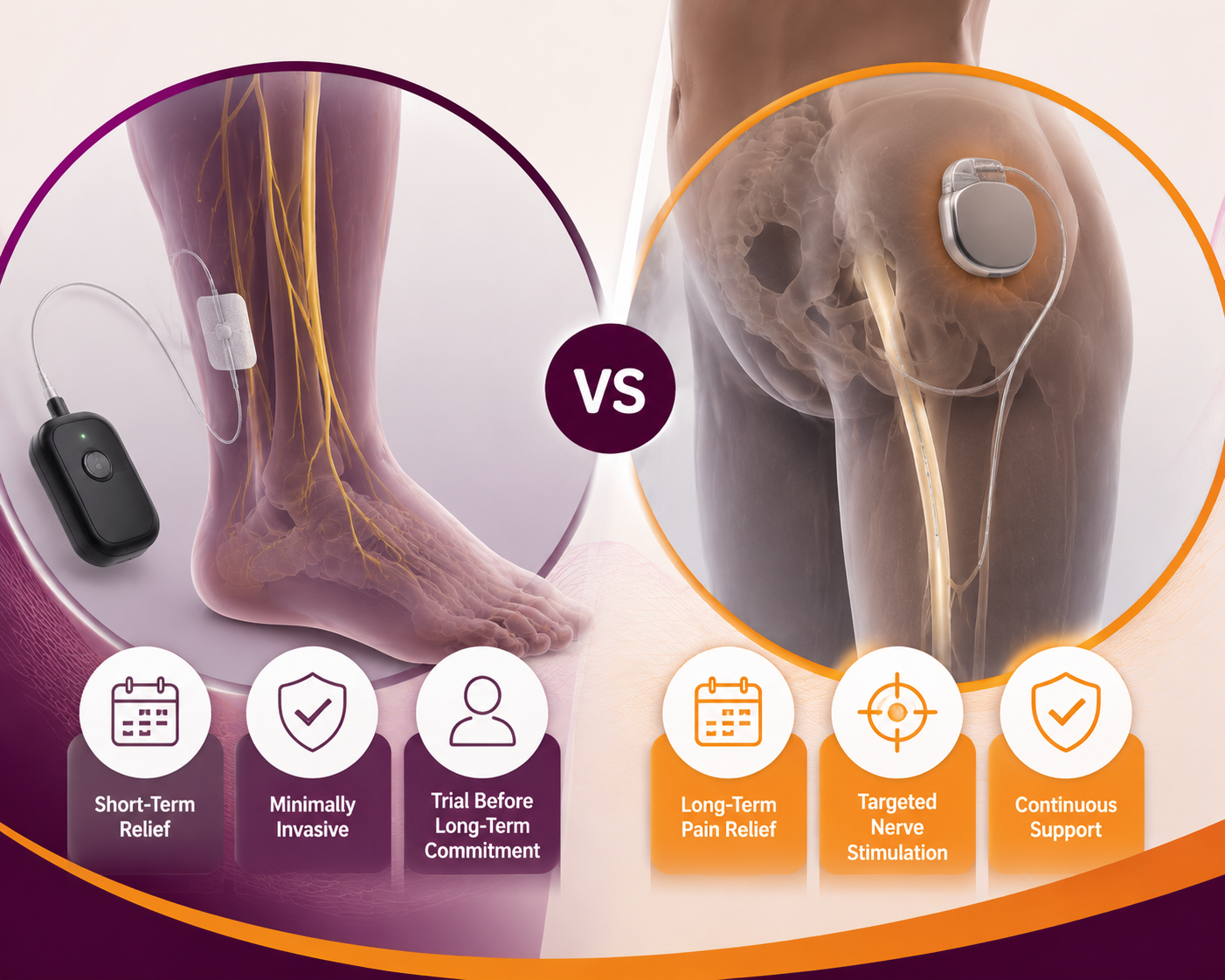
- Peripheral Nerve Stimulation
- Spinal Cord Stimulation in selected cases
- Intrathecal Pump Implant or Targeted Drug Delivery in severe cases
- Coordinated medication management
- Referral for additional specialty evaluation when needed
Interventional treatments are not right for every cause of abdominal pain. They are most appropriate when the pain source is identified and matches the treatment target.
8. Peripheral Nerve Stimulation for Nerve-Related Pain
Peripheral nerve stimulation, or PNS, may be considered for certain chronic nerve pain conditions. It uses mild electrical impulses near a targeted nerve to modify pain signaling.
For abdominal pain, PNS may be considered only in carefully selected cases where pain is linked to a peripheral nerve source, such as abdominal wall nerve irritation or post-surgical nerve pain.
This treatment is not a first-line option for general stomach pain. A pain specialist must determine whether the pain pattern is appropriate for nerve stimulation treatment.
9. Spinal Cord Stimulation for Selected Chronic Pain Cases
Spinal cord stimulation may be used for certain chronic pain conditions when pain signals involve pathways near the spinal cord. It is more commonly discussed for back, leg, nerve, or post-surgical pain, but it may be considered in select complex pain cases.
This option requires detailed evaluation, patient selection, and usually a trial before permanent implantation is discussed.
10. Targeted Drug Delivery for Severe Chronic Pain
For severe chronic pain that has not responded to other treatments, intrathecal pump implant or targeted drug delivery may be considered. This treatment delivers medication near the spinal cord in much smaller doses than many systemic approaches.
It may be considered for certain severe pain conditions, including some cancer-related pain. It is not appropriate for every patient and requires ongoing monitoring, refills, and specialist care.
Vertex Pain Physicians offers Intrathecal Pump Implant/Targeted Drug Delivery as part of advanced pain management services for selected patients.
How Pain Management Helps With Chronic Abdominal Pain
Pain management focuses on identifying pain generators and reducing pain signals in a safe, structured way. For chronic abdominal pain, this may involve working alongside other specialists.
A pain specialist in San Antonio, TX, may help by:
- Reviewing previous tests and treatments
- Identifying nerve-related or abdominal wall pain patterns
- Offering diagnostic injections when appropriate
- Creating a non-surgical pain management plan
- Coordinating care with other providers
- Helping patients improve function and quality of life
The goal is not to mask serious symptoms. The goal is to treat pain responsibly after the right evaluation has been completed.
Chronic Abdominal Pain Treatment in San Antonio, TX
If you are searching for a chronic pain clinic in San Antonio, TX, Vertex Pain Physicians. provide personalized pain management for acute and chronic pain conditions.
Our team treats conditions such as back pain, cancer pain, degenerative disc disease, fibromyalgia, herniated disc pain, hip pain, musculoskeletal pain, neck pain, neuropathic pain, post-traumatic pain, post-surgical back pain, sacroiliac joint pain, sciatica pain, and spinal stenosis.
For patients with ongoing abdominal pain, our specialists can help determine whether the pain may involve nerve-related, post-surgical, abdominal wall, cancer-related, or chronic pain pathways. If another specialist is needed, coordinated care may be recommended.
Vertex Pain Physicians continues to expand care across San Antonio and surrounding communities, including Alamo Heights, Stone Oak, Kerr County, Gillespie County, and nearby areas.
Conclusion
Chronic abdominal pain treatment depends on understanding the cause. Some patients need digestive care, medication, diet changes, physical therapy, or specialist evaluation. Others may benefit from pain management options such as trigger point injections, nerve blocks, peripheral nerve stimulation, spinal cord stimulation, or targeted drug delivery in carefully selected cases.
Because abdominal pain can come from many different sources, proper diagnosis is the most important first step.
If you are looking for pain management in San Antonio, TX, Vertex Pain Physicians, can help you explore appropriate treatment options for chronic pain. Call 210-545-0087 or connect online to schedule an appointment, refer a patient, or learn how Vertex Pain Physicians can support your care.
FAQs About Chronic Abdominal Pain Treatment
What is the best treatment for chronic abdominal pain?
The best treatment depends on the cause. Chronic abdominal pain may require digestive care, medication, lifestyle changes, physical therapy, nerve blocks, trigger point injections, or interventional pain management, depending on the diagnosis.
Can a pain specialist treat chronic stomach pain?
A pain specialist may help when chronic stomach or abdominal pain is related to nerve pain, abdominal wall pain, post-surgical pain, cancer-related pain, or pain that continues after other evaluations. Digestive causes should still be evaluated by the appropriate provider.
What causes chronic abdominal pain?
Chronic abdominal pain may be caused by IBS, reflux, inflammatory bowel disease, pancreatitis, gallbladder problems, pelvic conditions, urinary issues, scar tissue, abdominal wall pain, nerve entrapment, or chronic pain syndromes.
Are nerve blocks used for abdominal pain?
Yes, nerve blocks may be used for selected abdominal pain conditions when a specific nerve or nerve group is contributing to pain. The type of nerve block depends on the location and cause of symptoms.
When should I see a pain management clinic for abdominal pain?
You may consider a pain management clinic if abdominal pain is chronic, disabling, nerve-related, post-surgical, cancer-related, or not improving despite evaluation and conservative care.
Medical Disclaimer
This article is for educational purposes only and should not replace professional medical advice, diagnosis, or treatment. Always consult a qualified healthcare provider for abdominal pain, especially if symptoms are severe, new, worsening, or associated with warning signs.