Are There Side Effects of Pain Relief Injections for Seniors?
Pain relief injections can be helpful for older adults living with chronic joint pain, back pain, neck pain, nerve pain, arthritis, or spine-related pain. For many seniors, injection therapy may offer a non-surgical way to reduce inflammation, calm irritated nerves, and improve daily comfort.
However, seniors often have unique health needs. Age, diabetes, osteoporosis, heart disease, blood thinner use, immune health, and multiple medications can affect whether an injection is safe or appropriate.
At Vertex Pain Physicians, our pain specialists in San Antonio, TX, evaluate each patient carefully before recommending pain management injections. The goal is to reduce pain while protecting safety, mobility, and quality of life.
What Are Pain Relief Injections?
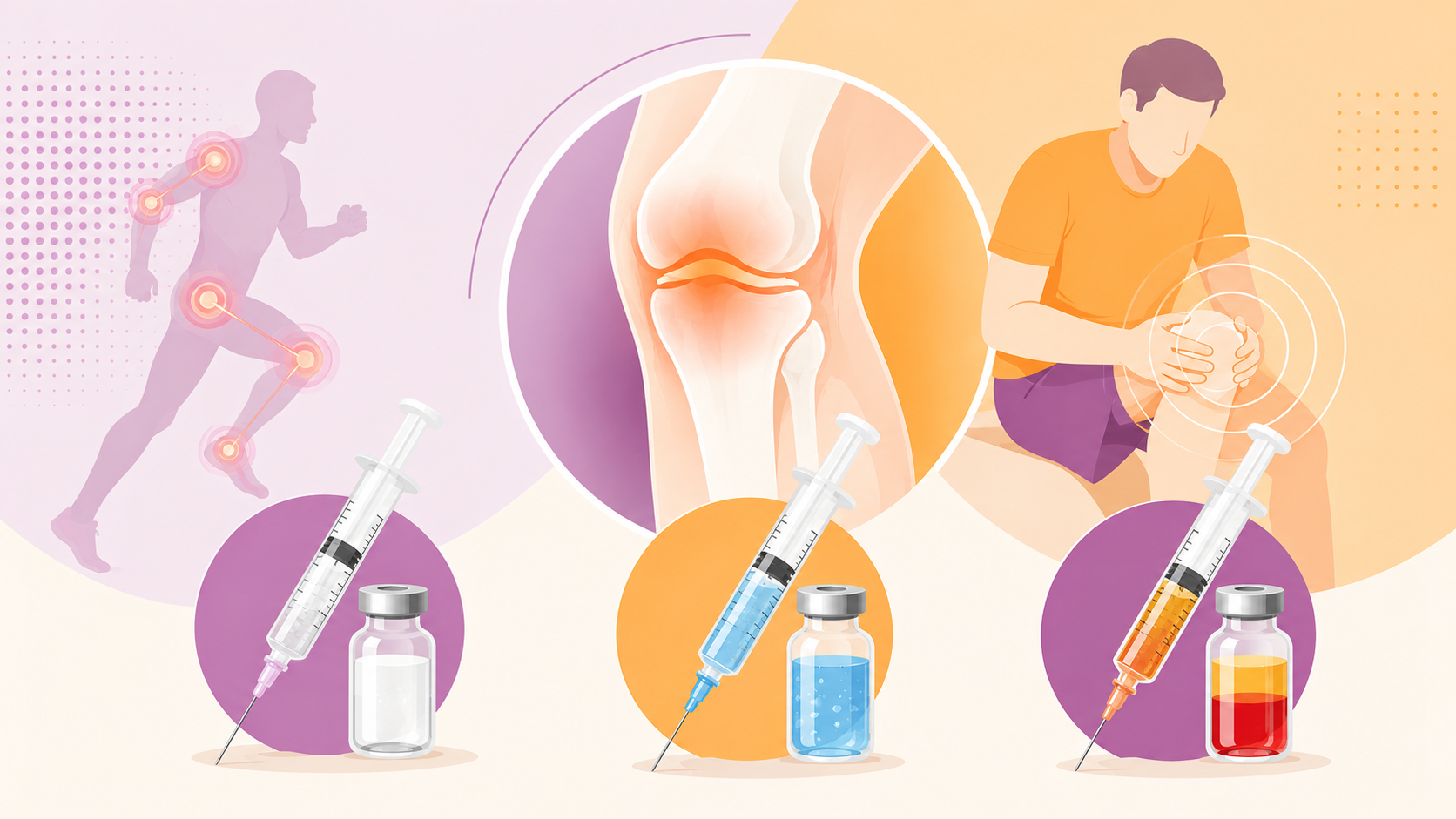
Pain relief injections are minimally invasive treatments used to target specific sources of pain. They may be used for joint pain, spine pain, nerve irritation, muscle pain, or inflammation.
Common types of pain management injections include:
- Epidural Steroid Injections
- Joint Injections
- Sacroiliac Joint Injections
- Medial Branch Nerve Blocks
- Trigger Point Injections
- Facet Joint Injections
- Nerve Blocks
The right injection depends on the cause of pain. For example, an epidural steroid injection may be used for irritated spinal nerves, while a joint injection may be used for arthritis-related joint inflammation.
Are Pain Injections Safe for Seniors?
Pain injections can be safe for many seniors when they are recommended after a proper evaluation and performed by trained specialists. However, they are not risk-free.
Older adults may have a higher chance of certain side effects because of existing medical conditions or medications. That is why a pain specialist should review the patient’s health history, imaging, allergies, medications, and treatment goals before the procedure.
Why Safety Screening Matters for Elderly Pain Patients
Injection therapy for elderly pain patients should be personalized. A senior with diabetes may need blood sugar monitoring after a steroid injection. A patient taking blood thinners may need special planning to reduce bleeding risk. A patient with osteoporosis may need careful limits on repeated steroid exposure.
A safe treatment plan starts with knowing the whole patient, not just the painful area.
Common Side Effects of Pain Relief Injections
Most side effects of pain relief injections are mild and temporary. They may last a few hours to a few days, depending on the injection type and the patient’s health.
1. Soreness at the Injection Site
Mild soreness, tenderness, or pressure at the injection site is common. This usually improves with time and may be managed with provider-approved aftercare.
Seniors should follow the clinic’s instructions about rest, activity, and when to return to normal routines.
2. Temporary Pain Flare
Some patients feel a short-term increase in pain after the injection. This may happen because the tissue around the injection site becomes temporarily irritated.
A pain flare usually improves within a few days. If pain becomes severe or continues to worsen, the patient should contact the provider.
3. Bruising or Minor Bleeding
Bruising can occur after an injection, especially in older adults with thinner skin or those taking blood thinners. Minor bruising is usually not serious.
However, patients who take medications such as warfarin, Eliquis, Xarelto, Plavix, aspirin, or other blood-thinning medications should always tell their provider before any procedure.
4. Swelling or Redness
Mild swelling or redness near the injection site can happen. It should gradually improve.
Increasing redness, warmth, drainage, fever, or worsening swelling may be signs of infection and should be evaluated quickly.
5. Facial Flushing or Warmth
Some steroid injections can cause temporary facial flushing, warmth, or redness. This side effect is usually short-term.
Although it is often harmless, seniors should report symptoms that feel unusual, severe, or associated with dizziness, chest pain, or trouble breathing.
6. Temporary Increase in Blood Sugar
Steroid injections may temporarily raise blood sugar levels. This is especially important for seniors with diabetes or prediabetes.
Patients with diabetes may be asked to monitor blood sugar more closely after injection therapy. If levels become unusually high, they should contact their diabetes care provider or follow the plan recommended by their clinician.
7. Temporary Blood Pressure or Eye Pressure Changes
Some patients may experience temporary changes in blood pressure or eye pressure after steroid-based injections. This may matter more for seniors with hypertension, glaucoma, or cardiovascular concerns.
Before treatment, patients should tell their pain specialist about high blood pressure, glaucoma, heart disease, or recent medication changes.
8. Trouble Sleeping or Mood Changes
Steroids can sometimes cause short-term sleep disturbance, restlessness, anxiety, or mood changes. These effects are usually temporary but can feel uncomfortable.
Seniors and caregivers should monitor for confusion, agitation, or unusual behavior, especially in patients who are sensitive to medications.
Less Common but Serious Risks of Pain Management Injections
Serious risks are uncommon, but they can happen. This is why pain management injections should be performed in the right setting by experienced clinicians.
Infection
Any injection that enters the body carries a small infection risk. Seniors with diabetes, weakened immune systems, or active infections may need extra caution.
Patients should call their provider if they develop fever, chills, increasing redness, warmth, drainage, or severe pain at the injection site.
Allergic Reaction
Allergic reactions to medication, contrast dye, antiseptic solution, or local anesthetic are possible. Patients should tell the clinic about any medication allergies or previous reactions before the procedure.
Emergency symptoms such as trouble breathing, swelling of the face or throat, or widespread rash require immediate medical care.
Nerve Irritation or Nerve Injury
Nerve irritation is possible with some injections, especially spine-related procedures. Symptoms may include numbness, tingling, weakness, or shooting pain.
Most irritation is temporary, but new or worsening weakness, loss of sensation, or difficulty walking should be reported immediately.
Bleeding or Hematoma
Bleeding risk is higher in patients who take blood thinners or have clotting problems. A hematoma is a collection of blood that can sometimes press on nearby tissues.
This risk is especially important for epidural steroid injections and other spine procedures. Medication planning should always be handled by the medical team.
Cartilage, Tendon, or Bone Effects With Repeated Steroid Injections
Repeated steroid injections in the same area may have risks for cartilage, tendons, skin, soft tissue, or nearby bone. This is especially important for seniors with arthritis, osteoporosis, or fragile tissues.
A joint injections specialist in San Antonio, TX, can help determine how often injections may be appropriate and when other treatments should be considered.
Rare Serious Neurologic Events With Epidural Steroid Injections
Epidural steroid injections are commonly used for certain spine-related pain conditions, but rare serious neurologic complications have been reported. These risks are uncommon, but patients should understand them before treatment.
A qualified epidural steroid injection specialist in San Antonio, TX, should review the benefits, risks, alternatives, and safety precautions before the procedure.
Which Seniors Need Extra Caution Before Pain Injections?
Some older adults may still be good candidates for injections, but they need a more careful review before treatment.
Extra caution may be needed for seniors with:
- Diabetes or unstable blood sugar
- Blood thinner use
- Osteoporosis or high fracture risk
- Active infection
- Weakened immune system
- Kidney or liver disease
- Heart disease or uncontrolled blood pressure
- Glaucoma
- Medication allergies
- History of spine surgery
- History of poor reaction to steroids or anesthesia
These factors do not always mean injections are unsafe. They mean the care plan must be individualized.
How Pain Specialists Reduce Injection Risks for Seniors
A careful pain management clinic will take steps to reduce risk before, during, and after the procedure.
Safety steps may include:
- Reviewing medical history and current medications
- Checking allergies and prior injection reactions
- Reviewing imaging when needed
- Using sterile technique
- Using imaging guidance for certain procedures
- Adjusting the treatment plan for diabetes or blood thinners
- Limiting steroid dose or frequency when appropriate
- Providing clear aftercare instructions
- Monitoring response and side effects
At Vertex Pain Physicians, treatment plans are built around the patient’s diagnosis, medical background, and functional goals.
Benefits of Injection Therapy for Elderly Pain Patients
Although risks are important, pain injections may offer meaningful benefits for selected seniors.
Potential benefits may include:
- Reduced joint, back, or nerve pain
- Improved walking and mobility
- Better participation in physical therapy
- Less inflammation around irritated nerves or joints
- Non-surgical pain relief option
- Better sleep and daily comfort
- Reduced reliance on some oral pain medications in certain patients
The goal is not just to reduce pain. The goal is to help seniors move more safely, stay active, and maintain independence when possible.
When Should Seniors Call a Doctor After a Pain Injection?
Seniors should contact their provider if they experience symptoms that feel unusual or concerning after an injection.
Call the clinic or seek urgent care for:
- Fever or chills
- Increasing redness, warmth, or drainage
- Severe or worsening pain
- New weakness or numbness
- Trouble walking
- Severe headache after a spine injection
- Loss of bladder or bowel control
- Chest pain or shortness of breath
- Very high blood sugar
- Confusion or severe mood changes
- Signs of allergic reaction
These symptoms may need prompt medical evaluation.
Pain Management Injections in San Antonio, TX
If you are searching for pain management in San Antonio, TX, Vertex Pain Physicians. provide personalized care for adults and seniors living with acute and chronic pain.
Our team treats conditions such as back pain, neck pain, sciatica pain, sacroiliac joint pain, herniated disc pain, degenerative joint disease, degenerative disc disease, hip pain, neuropathic pain, musculoskeletal pain, post-traumatic pain, and post-surgical back pain.
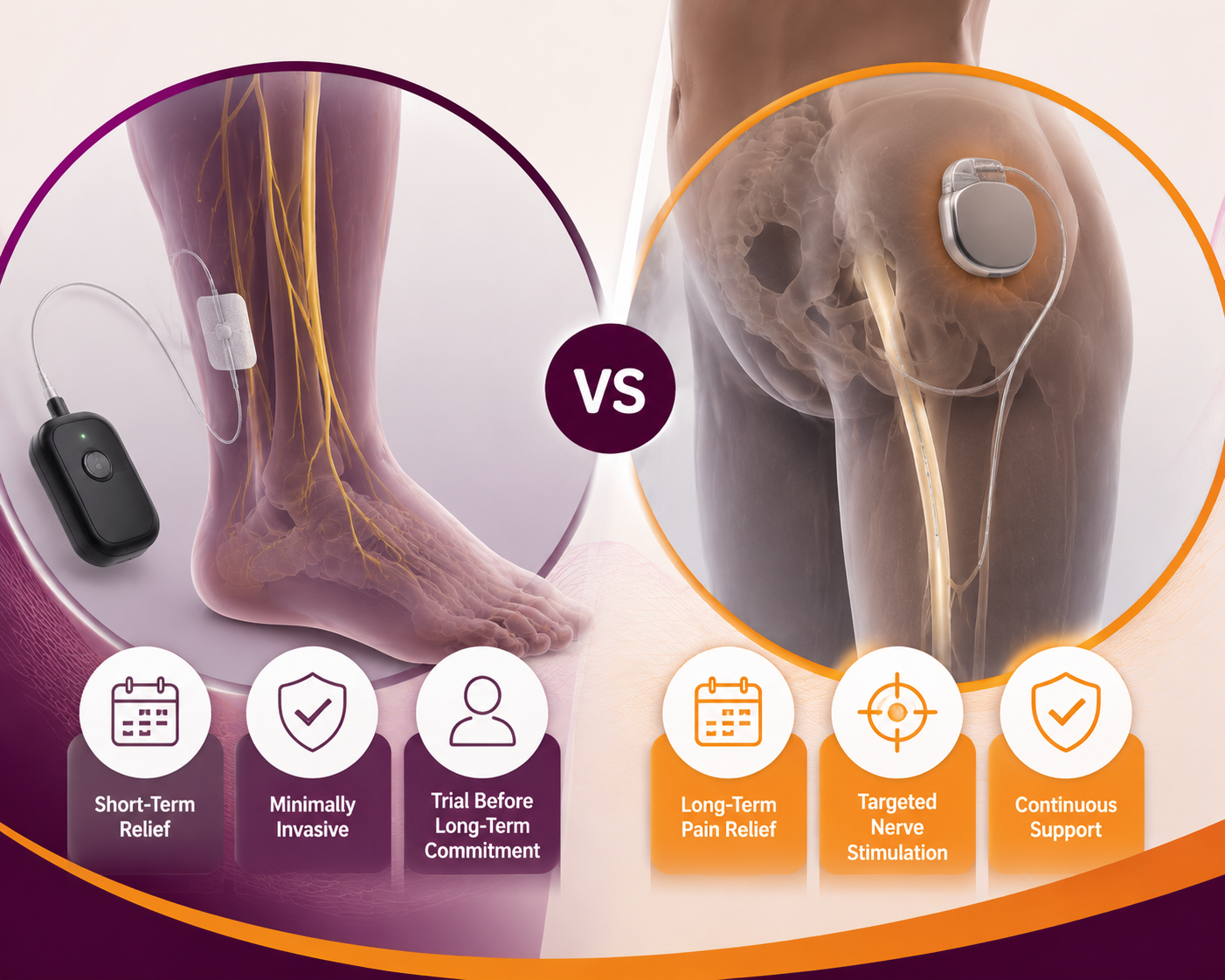
Vertex Pain Physicians offers several interventional treatments, including Epidural Steroid Injection, Joint Injections, Sacroiliac Joint Injections, Medial Branch Nerve Blocks, Trigger Point Injections, Radiofrequency Ablation, Spinal Cord Stimulation, Peripheral Nerve Stimulation, Balloon Kyphoplasty, Intrathecal Pump Implant/Targeted Drug Delivery, and the mild® Procedure.
As the practice grows, Vertex continues to serve San Antonio and surrounding communities, including Alamo Heights, Stone Oak, Kerr County, Gillespie County, and nearby areas.
Conclusion
Pain relief injections can be a valuable treatment option for seniors with joint pain, back pain, nerve pain, arthritis, or spine-related pain. They may help reduce inflammation, improve mobility, and support a non-surgical pain management plan.
However, side effects and risks must be taken seriously. Seniors with diabetes, blood thinner use, osteoporosis, heart disease, glaucoma, immune concerns, or multiple medications need careful screening before injection therapy.
If you are looking for a pain management clinic in San Antonio, TX, Vertex Pain Physicians. can help determine whether injection therapy is appropriate for your condition. Call 210-545-0087 or connect online to schedule an appointment, refer a patient, or learn how Vertex Pain Physicians can support your care.
FAQs About Side Effects of Pain Relief Injections for Seniors
Are pain injections safe for seniors?
Pain injections can be safe for many seniors when they are performed after proper evaluation. Safety depends on the patient’s health conditions, medications, injection type, and overall risk factors.
What are the common side effects of pain relief injections?
Common side effects may include soreness, temporary pain flare, bruising, swelling, facial flushing, sleep changes, mood changes, or temporary blood sugar elevation after steroid injections.
Are steroid injections risky for elderly patients with diabetes?
Steroid injections may temporarily raise blood sugar. Seniors with diabetes should discuss this risk with their provider and may need to monitor blood sugar more closely after the injection.
Can seniors on blood thinners get pain injections?
Some seniors on blood thinners may still be candidates, but the medical team must review bleeding risk first. Patients should never stop blood thinners unless instructed by the prescribing provider.
How often can seniors get pain relief injections?
The safe frequency depends on the injection type, medication used, diagnosis, and patient health. Repeated steroid injections may have additional risks, so the schedule should be personalized.
What should seniors avoid after a pain injection?
Patients should follow their provider’s aftercare instructions. In general, they may be advised to avoid strenuous activity for a short time and watch for unusual symptoms.
Medical Disclaimer
This article is for educational purposes only and should not replace professional medical advice, diagnosis, or treatment. Always consult a qualified healthcare provider before receiving pain relief injections, especially if you are an older adult with diabetes, blood thinner use, heart disease, osteoporosis, or other medical conditions.