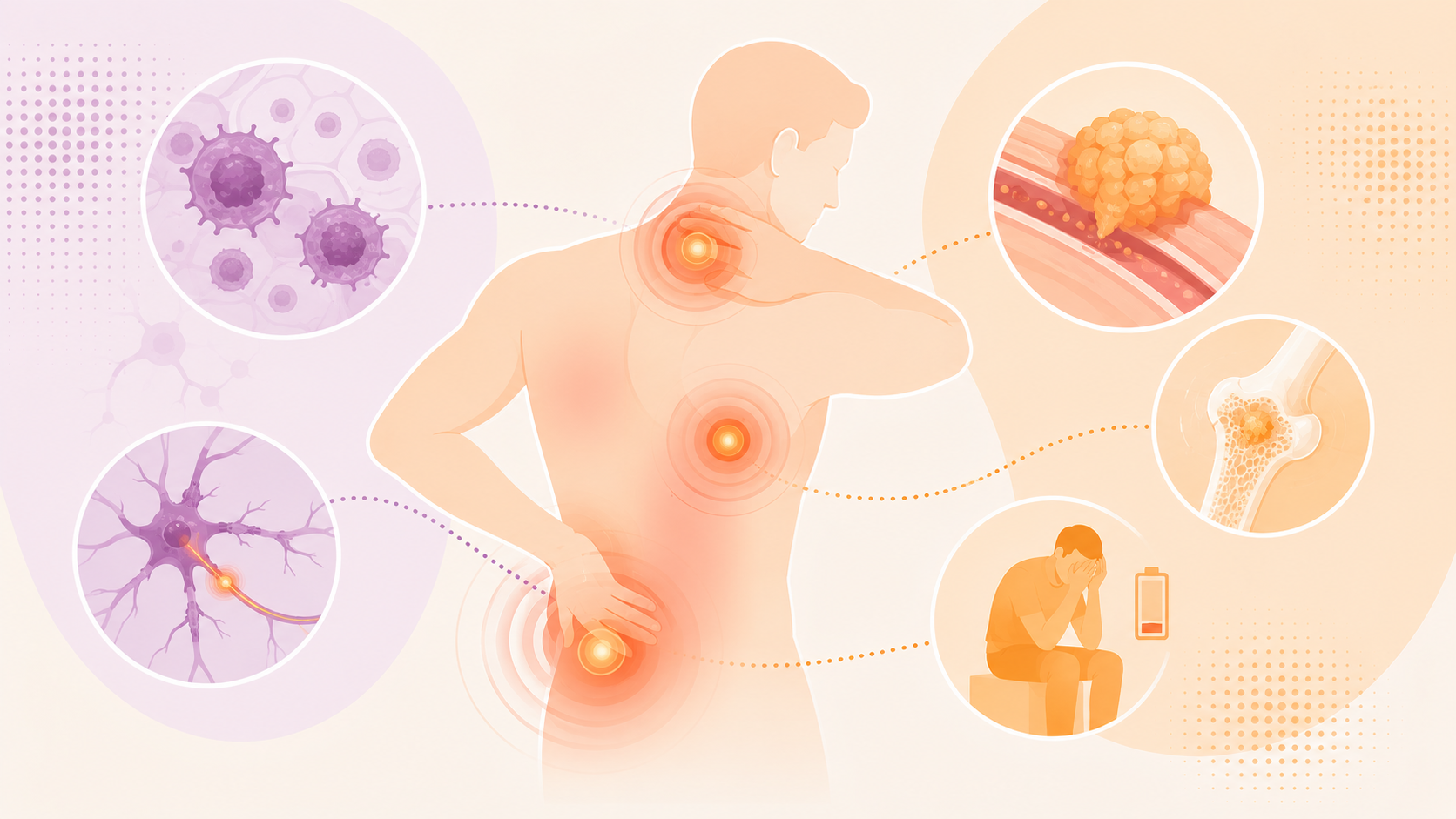
Why Does Cancer Cause So Much Pain in the Body?
Cancer pain can feel overwhelming, confusing, and emotionally exhausting. Some patients feel sharp pain in one area, while others experience deep aching, pressure, burning, tingling, or pain that spreads through different parts of the body. For many people, the pain is not only physical. It can affect sleep, appetite, mood, movement, independence, and overall quality of life.
One of the most common questions patients and families ask is: why does cancer cause so much pain in the body? The answer depends on the type of cancer, where it is located, whether it has spread, and how it affects nerves, bones, organs, and surrounding tissues.
Cancer pain causes can be complex. Pain may come directly from a tumor pressing on nearby structures, from inflammation, from nerve damage, from bone involvement, or from cancer treatments such as surgery, chemotherapy, or radiation. Some patients may also develop chronic cancer pain that continues even after treatment.
At Vertex Pain Physicians, patients in San Antonio receive individualized care for acute and chronic pain conditions, including pain caused by cancer. If you or a loved one is searching for cancer pain management San Antonio TX, a pain specialist can help identify the source of pain and build a treatment plan focused on comfort, function, and quality of life.
What Is Cancer Pain?
Cancer pain is pain that happens because of cancer itself, cancer-related complications, or treatments used to fight cancer. It can be mild, moderate, or severe. It may come and go, or it may be constant.
Some patients feel pain only in the area where the cancer started. Others may feel pain in the back, hips, ribs, legs, abdomen, chest, neck, or other areas depending on how cancer affects the body.
Cancer pain may feel like:
- Deep aching
- Sharp or stabbing pain
- Burning pain
- Tingling or numbness
- Pressure or heaviness
- Muscle soreness
- Bone pain
- Pain that spreads to other areas
- Pain that worsens with movement
- Pain that interrupts sleep
Pain caused by cancer should never be ignored. Even when cancer treatment is being managed by an oncology team, pain management may require a separate and focused approach.
Why Cancer Causes Pain in the Body
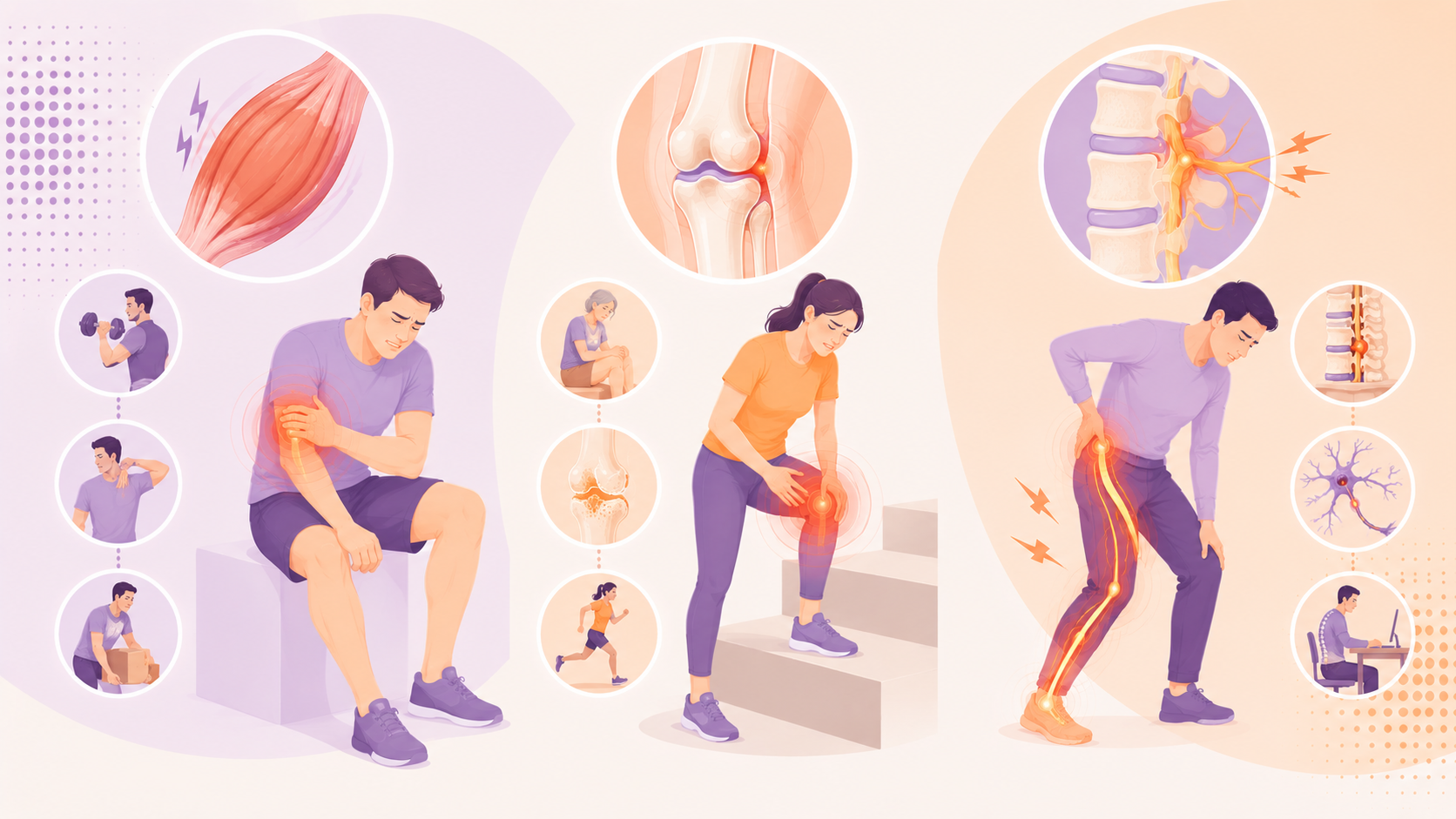
Cancer can cause pain in several ways. The body contains many pain-sensitive structures, including nerves, bones, muscles, organs, joints, and soft tissues. When cancer affects these structures, pain signals can become intense and persistent.
Pain may develop slowly over time or appear suddenly. Some patients experience pain before they are diagnosed, while others develop pain during treatment or after treatment.
Common cancer pain causes include:
- Tumor pressure on nerves or organs
- Cancer spreading to bones
- Inflammation around the tumor
- Blocked blood vessels or organs
- Nerve damage
- Pain after surgery
- Pain after radiation therapy
- Chemotherapy-related nerve pain
- Muscle weakness or immobility
- Scar tissue or post-treatment changes
Understanding why cancer causes pain is important because different types of pain often require different treatment strategies.
Tumors Can Press on Nerves, Bones, and Organs
One major reason cancer causes pain is pressure. As a tumor grows, it may press against nearby nerves, bones, organs, muscles, or other tissues. This pressure can create pain in the area where the tumor is located or pain that travels along nearby nerves.
For example, a tumor near the spine may press on nerves and cause back pain, leg pain, numbness, or weakness. A tumor in the abdomen may create pressure, cramping, or deep internal pain. A tumor near the chest wall or ribs may cause pain with breathing, movement, or coughing.
Tumor pressure may cause:
- Localized pain near the tumor
- Radiating pain into the arms or legs
- Numbness or tingling
- Muscle weakness
- Pain with movement
- Pressure-like discomfort
- Pain that worsens as the tumor grows
When cancer pain is caused by pressure, treatment may focus on reducing inflammation, calming nerve irritation, improving comfort, and coordinating care with the oncology team.
Cancer Can Spread to the Bones
Bone pain is one of the most difficult types of cancer pain for many patients. When cancer spreads to the bones, it can weaken bone structure, irritate pain-sensitive tissues, and increase the risk of fractures.
Bone pain may feel deep, aching, throbbing, or constant. It may worsen at night or with movement. Some patients describe it as pain that feels different from muscle soreness or arthritis.
Signs of possible cancer-related bone pain include:
- Deep aching pain
- Pain that worsens at night
- Pain with standing or walking
- Tenderness over a bone
- Sudden increase in pain
- Pain after minor movement or strain
- Weakness or difficulty bearing weight
Cancer-related bone pain should be evaluated carefully. A cancer pain specialist San Antonio patients visit may work with oncology providers to help manage pain while the cancer treatment plan continues.
Cancer Can Irritate or Damage Nerves
Nerve pain can be one of the most uncomfortable forms of pain caused by cancer. It may happen when a tumor presses on a nerve, grows near nerve tissue, affects the spine, or causes inflammation around the nervous system.
Cancer treatments may also contribute to nerve pain. Some chemotherapy medications can cause neuropathic pain, numbness, burning, or tingling in the hands and feet.
Nerve-related cancer pain may feel like:
- Burning
- Electric shocks
- Tingling
- Pins and needles
- Numbness
- Shooting pain
- Pain that travels down an arm or leg
- Increased sensitivity to touch
Neuropathic cancer pain can become chronic if not properly managed. Chronic cancer pain treatment may include a combination of medication management, interventional pain procedures, physical support, and careful monitoring.
Cancer Treatment Can Also Cause Pain
Cancer pain is not always caused by the tumor alone. Sometimes, treatment itself can create pain. Surgery, radiation, chemotherapy, and other cancer therapies may affect nerves, soft tissues, muscles, bones, and skin.
This does not mean the treatment was wrong. Cancer treatments can be life-saving and necessary, but side effects may need their own pain management plan.
Treatment-related cancer pain may come from:
- Surgical incisions
- Scar tissue
- Nerve irritation after surgery
- Radiation-related tissue sensitivity
- Chemotherapy-related neuropathy
- Muscle weakness after long treatment periods
- Joint stiffness from reduced activity
- Post-treatment inflammation
Patients should tell their care team when pain continues after treatment. Pain management can often be adjusted to help patients function better during recovery.
Acute Cancer Pain vs Chronic Cancer Pain
Cancer pain may be acute or chronic. Acute pain usually starts suddenly and may be linked to a specific event, such as surgery, a procedure, inflammation, or a new complication. Chronic cancer pain lasts longer and may continue for weeks, months, or even after cancer treatment.
Both types of pain deserve proper care.
Acute cancer pain
Acute cancer pain may happen after surgery, during a flare-up, after a fracture, or when a tumor suddenly affects a nerve or organ. It may require immediate evaluation if it is severe, sudden, or associated with weakness, fever, or breathing problems.
Chronic cancer pain
Chronic cancer pain may continue because of nerve damage, bone involvement, scar tissue, ongoing inflammation, or long-term treatment effects. Chronic pain can affect sleep, mood, mobility, and emotional well-being.
A chronic pain doctor San Antonio patients trust can help create a long-term plan that supports both pain relief and quality of life.
Why Cancer Pain Management Is Important
Pain can affect nearly every part of a patient’s life. When pain is not controlled, patients may sleep poorly, move less, lose appetite, feel anxious, and struggle with daily routines. Pain can also make it harder to tolerate cancer treatment or recover after procedures.
Cancer pain management is not only about reducing pain scores. It is about helping patients maintain dignity, comfort, strength, and independence as much as possible.
Effective cancer pain management may help improve:
- Sleep quality
- Movement and daily function
- Emotional well-being
- Ability to participate in care
- Comfort during treatment
- Appetite and energy
- Family and social activities
- Overall quality of life
Patients should not feel that severe pain is something they must simply endure. Pain caused by cancer can often be treated with a personalized plan.
How a Cancer Pain Specialist Can Help
A cancer pain specialist San Antonio patients visit can evaluate the type, location, severity, and pattern of pain. The specialist may also review cancer history, current oncology treatment, medications, imaging, and previous pain treatments.
The goal is to understand whether the pain is coming from nerves, bones, joints, muscles, organs, or treatment-related changes.
A cancer pain evaluation may include:
- Pain location and intensity
- When the pain started
- What makes pain worse or better
- Whether pain is sharp, burning, aching, or pressure-like
- Current cancer diagnosis and treatment plan
- Medication history
- Imaging or test results when available
- Nerve symptoms such as numbness or tingling
- Sleep, mobility, and daily function concerns
This information helps guide a safe and personalized care plan.
Cancer Pain Management Options
Cancer pain management may include several types of treatment. The right approach depends on the cause of pain, the patient’s diagnosis, current cancer treatment, overall health, and personal goals.
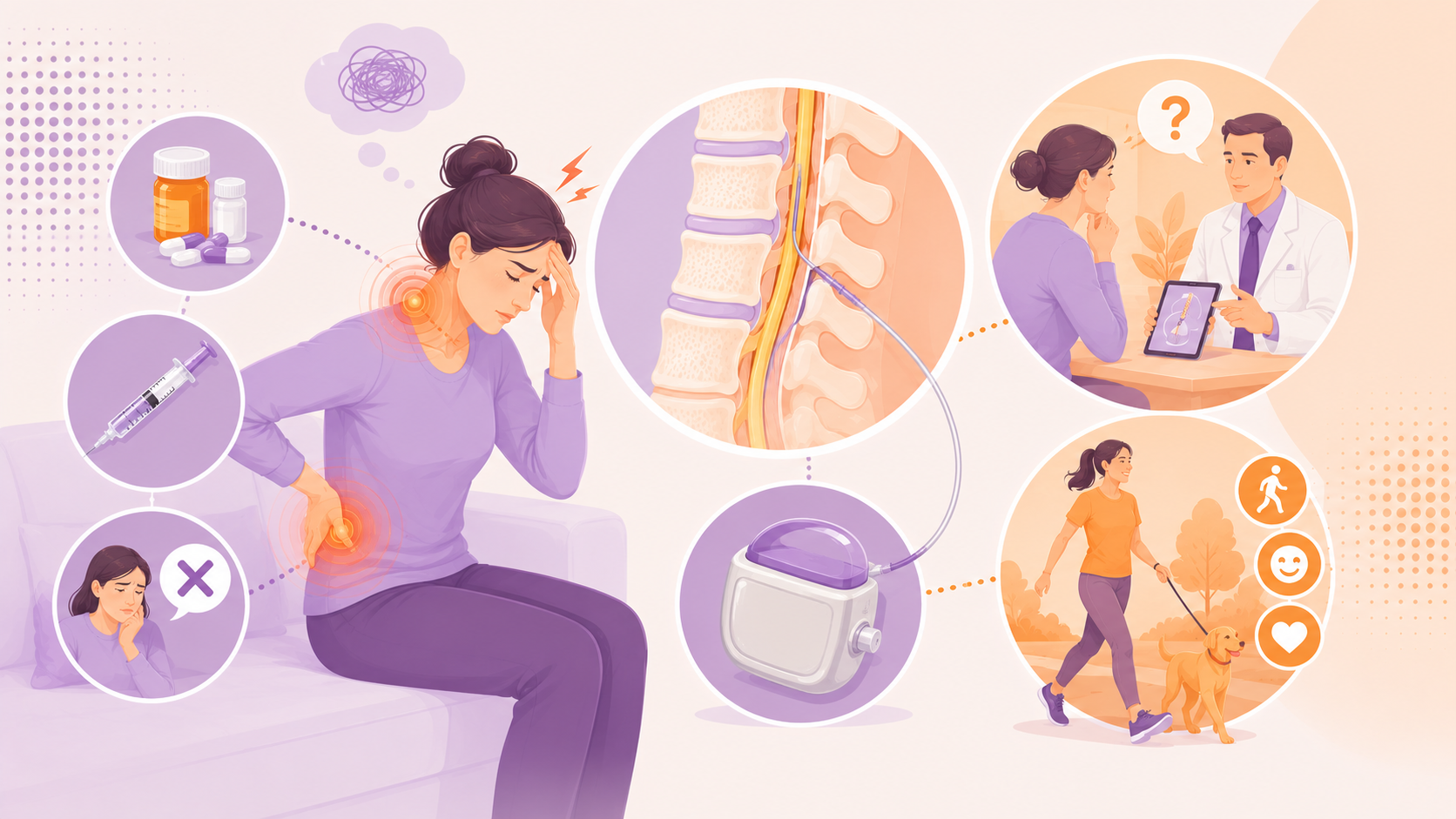
Some patients need medication adjustments. Others may benefit from targeted injections, nerve blocks, or advanced pain management procedures. Treatment may also include physical therapy, mobility support, and coordination with oncology care.
Cancer pain management options may include:
- Medication management
- Nerve blocks
- Epidural steroid injections when appropriate
- Joint injections for related joint pain
- Trigger point injections
- Radiofrequency ablation for selected pain patterns
- Peripheral nerve stimulation
- Intrathecal pump implant or targeted drug delivery
- Physical therapy or gentle movement support
- Coordination with oncology providers
At Vertex Pain Physicians, treatment is customized. The goal is to reduce pain, support function, and improve daily quality of life whenever possible.
Chronic Cancer Pain Treatment in San Antonio
Chronic cancer pain treatment requires a careful and compassionate approach. Pain may change over time as cancer responds to treatment, progresses, or creates new effects in the body. That is why ongoing monitoring is important.
Patients in San Antonio may need a pain management plan that adjusts as their symptoms change. A treatment that helps one month may need to be modified later if pain location, severity, or function changes.
Chronic cancer pain treatment may focus on:
- Reducing severe pain episodes
- Managing nerve pain
- Supporting sleep
- Improving walking and movement
- Reducing reliance on emergency care when possible
- Helping patients tolerate treatment
- Improving comfort during daily activities
- Supporting long-term quality of life
A personalized plan helps patients avoid one-size-fits-all care and gives them more control over their symptoms.
When Should You See a Pain Management Clinic in San Antonio?
You should consider seeing a pain management clinic San Antonio patients trust if cancer-related pain is affecting your daily life, sleep, mobility, or treatment experience. You do not have to wait until pain becomes unbearable.
Schedule an evaluation if you have:
- Pain that is not controlled with current treatment
- New or worsening pain
- Burning, tingling, or shooting pain
- Bone pain that worsens at night
- Pain that limits walking or movement
- Pain after surgery, radiation, or chemotherapy
- Pain that affects sleep or appetite
- Side effects from pain medication
- Frequent breakthrough pain
- Concern about chronic cancer pain treatment options
Severe, sudden, or rapidly worsening pain should be addressed promptly. If pain is associated with weakness, loss of bladder or bowel control, shortness of breath, confusion, fever, or a possible fracture, seek urgent medical attention.
Why Choose Vertex Pain Physicians for Cancer Pain Management?
Vertex Pain Physicians provides pain management services in San Antonio for patients living with acute and chronic pain. The specialists focus on uncovering the cause of pain and building custom treatment plans based on each patient’s needs.
For patients with cancer pain, care may involve evaluating nerve pain, bone pain, treatment-related pain, post-surgical pain, and chronic pain patterns. The goal is to help patients regain as much comfort, movement, and quality of life as possible.
Patients choose Vertex Pain Physicians for:
- Personalized pain management plans
- Evaluation of acute and chronic pain
- Cancer pain management support
- Care for nerve, bone, joint, and spine-related pain
- Advanced pain management options when appropriate
- San Antonio pain management services
- A patient-centered approach focused on comfort and function
If you are searching for oncology pain treatment San Antonio or cancer pain management San Antonio TX, Vertex Pain Physicians can help you explore options for relief.
Conclusion: Cancer Pain Has Many Causes, but Help Is Available
Cancer can cause pain in many ways. Tumors may press on nerves, bones, organs, or soft tissues. Cancer may spread to the bones, irritate nerves, create inflammation, or lead to treatment-related pain after surgery, radiation, or chemotherapy.
Because cancer pain causes are complex, the best treatment starts with understanding the source of pain. A personalized cancer pain management plan may help improve comfort, movement, sleep, and quality of life.
If cancer pain is affecting you or someone you love, Vertex Pain Physicians can help evaluate the pain and discuss treatment options. To learn more about care locations, contact Vertex Pain Physicians. To take the next step toward relief, request an appointment with a San Antonio pain management specialist today.
FAQs
Why does cancer cause so much pain?
Cancer can cause pain when tumors press on nerves, bones, organs, or soft tissues. Pain may also come from inflammation, bone spread, nerve damage, or cancer treatments such as surgery, radiation, or chemotherapy.
What are the most common cancer pain causes?
Common cancer pain causes include tumor pressure, bone involvement, nerve irritation, inflammation, blocked organs, surgery-related pain, radiation effects, and chemotherapy-related neuropathy.
What does cancer pain feel like?
Cancer pain may feel sharp, aching, burning, stabbing, tingling, pressure-like, or deep in the bones. The feeling depends on the source of pain and the part of the body affected.
Can cancer pain become chronic?
Yes, cancer pain can become chronic. Chronic cancer pain may continue because of nerve damage, bone changes, scar tissue, treatment effects, or ongoing disease-related pain.
What is cancer pain management?
Cancer pain management is a personalized approach to reducing pain caused by cancer or cancer treatment. It may include medications, nerve blocks, injections, targeted drug delivery, physical support, and coordination with oncology care.
When should I see a cancer pain specialist in San Antonio?
You should see a cancer pain specialist San Antonio patients trust if pain is not controlled, worsening, affecting sleep, limiting movement, or causing side effects from medication.
Can chemotherapy cause nerve pain?
Yes, some chemotherapy treatments may contribute to nerve pain, numbness, tingling, or burning sensations. This is often called chemotherapy-induced neuropathy.
Can cancer cause bone pain?
Yes, cancer can cause bone pain, especially if it spreads to the bones. Bone pain may feel deep, aching, constant, or worse at night or with movement.
What treatments help chronic cancer pain?
Chronic cancer pain treatment may include medication management, nerve blocks, injections, intrathecal pump implant or targeted drug delivery, physical therapy support, and advanced pain procedures when appropriate.
Where can I find cancer pain management in San Antonio TX?
Patients looking for cancer pain management San Antonio TX can contact Vertex Pain Physicians for an evaluation and personalized treatment plan focused on pain relief, function, and quality of life.
Medical Disclaimer
This article is for educational purposes only and should not replace professional medical advice, diagnosis, or treatment. Cancer pain should be evaluated by qualified healthcare professionals, including oncology and pain management providers. If you have severe pain, sudden weakness, loss of bladder or bowel control, shortness of breath, fever, confusion, or rapidly worsening symptoms, seek urgent medical care.