What Are the Different Types of Back Pain?
Back pain does not always feel—or behave—the same way. The different types of back pain can be classified by where the pain occurs, how long it lasts, what it feels like, and whether muscles, spinal joints, discs, or nerves are involved. Some people experience a dull ache across the lower back, while others notice sharp lower left back pain, burning pain on the right side, or discomfort that travels into a leg.
At Vertex Pain Physicians, our San Antonio-area pain management team evaluates the pattern and possible source of back pain so treatment can be matched to the individual rather than the symptom alone. Because the same location of pain can have several possible causes, an accurate evaluation is especially important when symptoms persist, worsen, or begin affecting mobility.
The National Institute of Arthritis and Musculoskeletal and Skin Diseases notes that back pain may originate from muscles, ligaments, discs, vertebrae, nerves, inflammatory conditions, or other medical problems.
What Are the Different Types of Back Pain Based on Location and Duration?
Understanding where back pain occurs and how long it has been present provides an important starting point for identifying what may be contributing to the discomfort.
What Is Upper Back Pain?
Upper back pain generally affects the region around the shoulder blades and upper thoracic spine. It may develop after prolonged sitting, repetitive activity, poor body mechanics, muscle overuse, or injury.
The discomfort may feel:
- Tight or stiff
- Dull and aching
- Sharp with certain movements
- Tender when pressure is applied
- Worse after sitting or working in one position for long periods
Although many cases involve muscles and soft tissues, persistent upper back pain should still be evaluated if it is severe, follows an injury, or occurs with neurological or other unusual symptoms.
What Is Middle Back Pain?
Middle back pain develops along the thoracic portion of the spine. Compared with the lower back, this region normally moves less because the ribs provide additional stability.
Pain can arise from muscle strain, joint irritation, posture-related stress, degenerative changes, or, less commonly, conditions affecting structures outside the spine.
Because pain location alone cannot confirm the cause, unexplained or persistent middle back pain warrants medical evaluation.
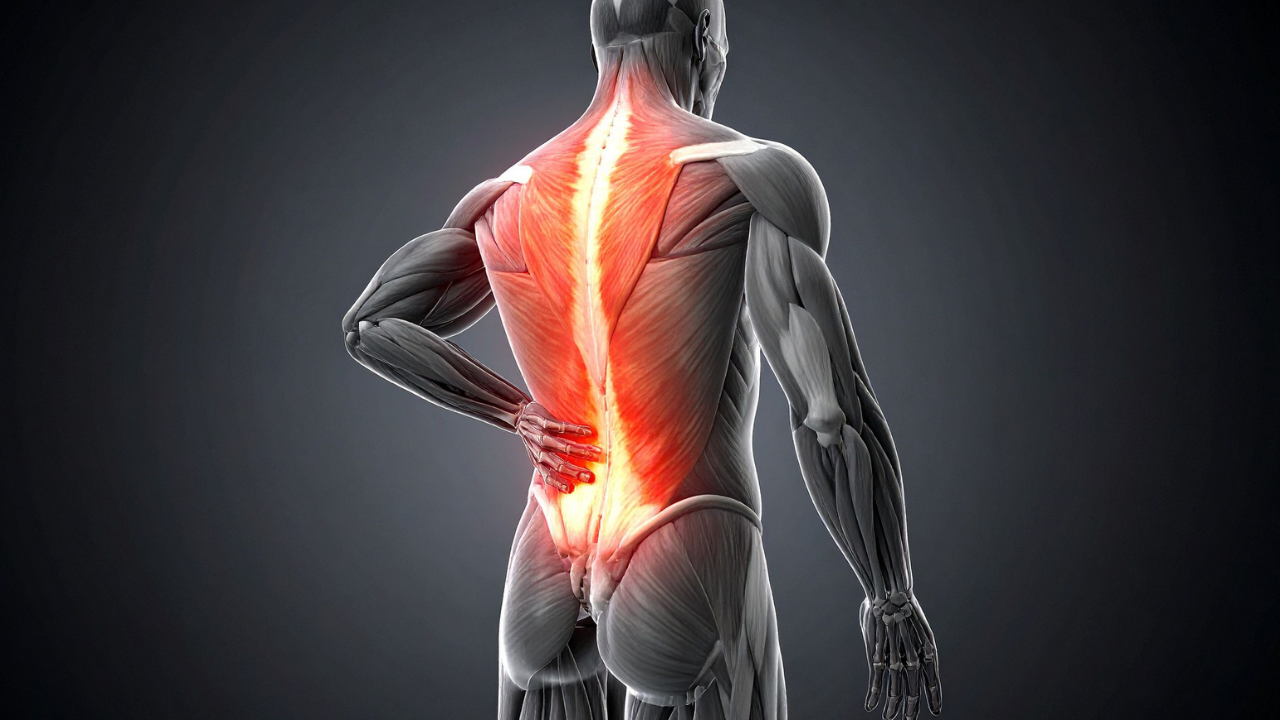
What Is Lower Back Pain?
Lower back pain affects the lumbar region and is one of the most common patterns of back discomfort. At Vertex Pain Physicians, patients with persistent symptoms can learn more about our approach to back pain evaluation and treatment.
Possible sources include muscle strain, irritated spinal joints, age-related changes, nerve compression, or problems involving the discs between the vertebrae. NIAMS identifies strains, sprains, degenerative disc changes, herniated discs, spinal stenosis, and other structural problems among potential causes of back pain.
Lower back symptoms may stay centered in the lumbar area or occur primarily on one side.
How Does Acute Back Pain Differ From Chronic Back Pain?
Duration is another important way physicians classify the different types of back pain.
According to NIAMS:
- Acute back pain begins suddenly and generally lasts from a few days to a few weeks.
- Subacute back pain lasts approximately 4 to 12 weeks.
- Chronic back pain continues for more than 12 weeks.
Acute pain may follow lifting, twisting, exercise, or an injury. Chronic discomfort may be associated with ongoing structural changes, nerve irritation, inflammatory conditions, or several contributing factors.
For example, degenerative disc disease can contribute to ongoing back pain when age-related disc changes affect the way the spine handles movement and load.
What Can Lower Left or Lower Right Back Pain Mean?
Searches for lower left back pain, lower right back pain, and left side back pain are extremely common. However, the side where pain appears should be treated as a clue rather than a diagnosis.
A clinician considers the exact location together with the pain quality, activities that trigger symptoms, whether pain travels, and whether numbness or weakness is present. MedlinePlus specifically notes that clinicians ask whether back pain occurs on one or both sides, what it feels like, when it began, and whether it travels into the hip or leg.
What Can Cause Lower Left Back Pain?
Lower left back pain may develop when muscles, joints, discs, or nearby nerves on or around the left side become irritated.
A person may notice pain in the lower left back after:
- Lifting or carrying an object
- Twisting unexpectedly
- Repetitive physical work
- Prolonged sitting
- Returning to strenuous exercise
- Sleeping or moving in an uncomfortable position
Muscular pain often changes with movement or pressure, although symptoms alone cannot confirm that a muscle is responsible.
Pain can also develop from spinal structures. A herniated disc, for example, can irritate or compress a nearby nerve and may cause pain, numbness, tingling, or weakness depending on the affected level.
What Can Cause Lower Right Back Pain?
Lower right back pain can arise from many of the same structures as pain on the left.
A sore back lower right may follow overuse or muscle strain, while persistent lower back pain on the right side may require evaluation for a spinal joint, disc, nerve, or another medical source.
The pattern becomes particularly important if the pain:
- Travels into the buttock or leg
- Feels burning, electric, or shooting
- Causes numbness or tingling
- Is associated with weakness
- Continues despite conservative care
- Progressively becomes more intense
One-sided pain should therefore not automatically be interpreted as a specific diagnosis.
How Can You Tell Whether Back Pain Is Muscular?
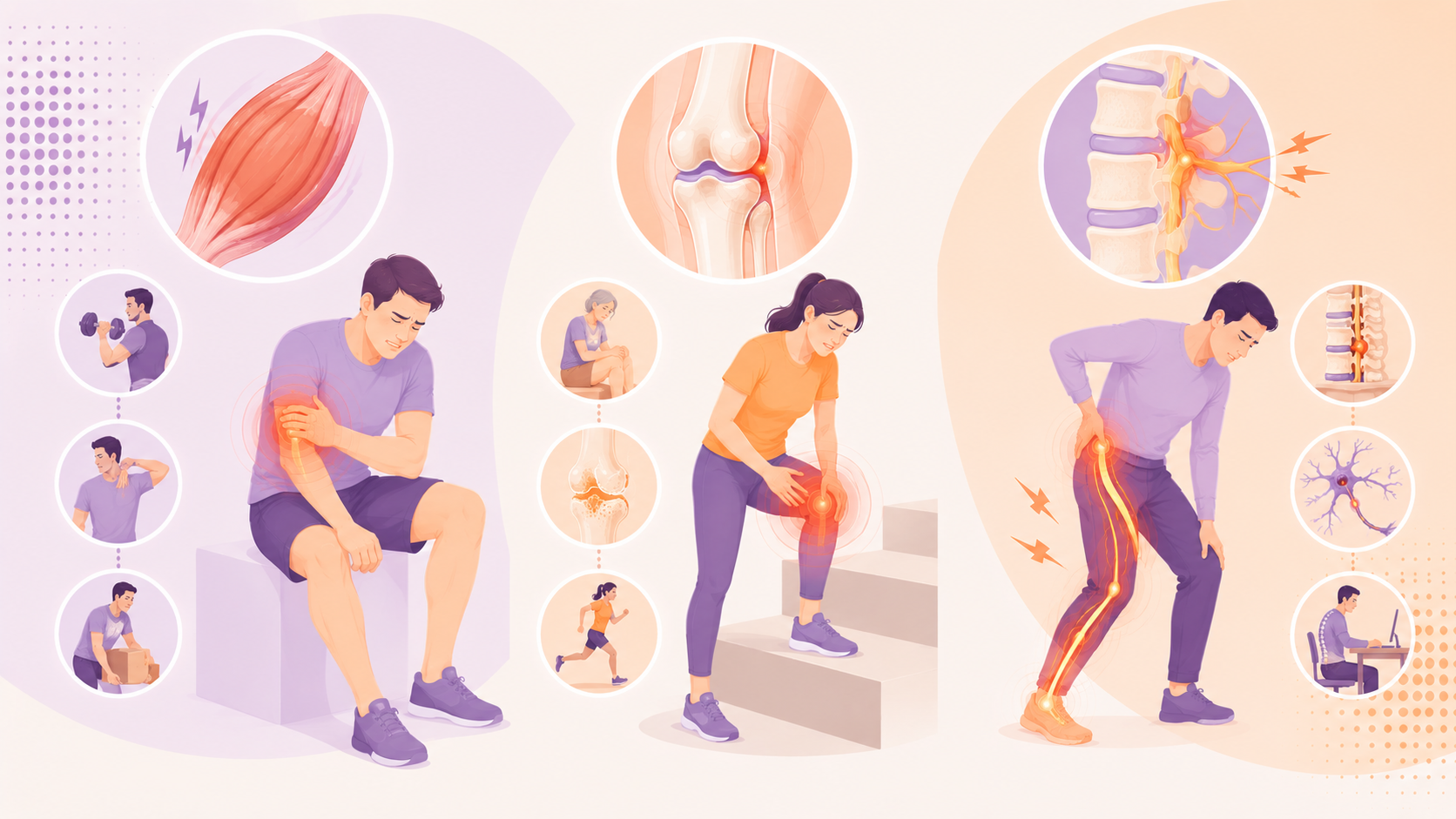
Musculoskeletal or mechanical pain commonly changes with movement.
You may notice discomfort after bending, lifting, twisting, prolonged sitting, or repetitive activity. The area may also feel tight, stiff, or tender.
Muscle-related pain does not always disappear immediately. However, pain that persists, repeatedly returns, or significantly limits normal activity deserves further assessment.
Patients comparing pain sensations may also find our guide to sharp versus dull lower back pain helpful.
What Does Pain That Shoots Down the Leg Suggest?
Pain that travels from the lower back or buttock down one leg may indicate irritation of a spinal nerve.
One well-known example is sciatica, or lumbar radiculopathy. Sciatica may involve pain, tingling, numbness, or weakness along the path of the sciatic nerve and often affects one side.
Patients may describe the sensation as:
- Burning
- Electric
- Shooting
- Stabbing
- Tingling
- Numbness accompanied by pain
A herniated disc or spinal stenosis may sometimes contribute to this pattern by irritating or compressing nerves.
What Is Referred Back Pain?
Not every painful sensation felt in the back begins in the spine.
NIAMS lists kidney stones or infections, endometriosis, pregnancy, fibromyalgia, certain infections, and other medical conditions among possible non-mechanical contributors to back pain.
For this reason, unexplained pain in the lower left back or right-sided pain should not be self-diagnosed solely according to location.
Symptoms involving fever, urinary changes, abdominal or pelvic symptoms, or other systemic changes may require evaluation beyond the spine.
How Do Back Pain Specialists Determine What Type of Pain You Have?
When back pain continues, identifying the pattern is usually more useful than simply labeling the symptom as “back pain.”
A specialist may evaluate where the discomfort occurs, how it started, how long it has lasted, what movements affect it, and whether neurological symptoms are present. A physical examination can also assess mobility, strength, sensation, reflexes, and areas of tenderness.
What Symptoms Help Identify the Source of Back Pain?
Several characteristics can provide useful diagnostic clues.
A clinician may ask whether the pain is:
- Sharp, dull, aching, burning, or throbbing
- Constant or intermittent
- Limited to one area
- Present on the left or right side
- Traveling into the hip, buttock, or leg
- Worse with sitting or standing
- Triggered by bending or lifting
- Accompanied by tingling, numbness, or weakness
These details help distinguish potential muscular, joint-related, disc-related, and nerve-related patterns.
When Might Diagnostic Testing Be Needed?
Imaging is not automatically necessary for every new episode of uncomplicated back pain.
The American College of Radiology considers routine imaging generally inappropriate for uncomplicated acute low back pain without red flags or previous management.
However, a physician may recommend imaging or additional testing when symptoms, examination findings, medical history, trauma, neurological changes, or the duration of pain make further investigation appropriate.
The goal is to use testing to answer a clinical question—not simply because pain exists.
How Is Back Pain Treated Once the Cause Is Identified?
Treatment depends on the source, duration, severity, and effect on everyday function.
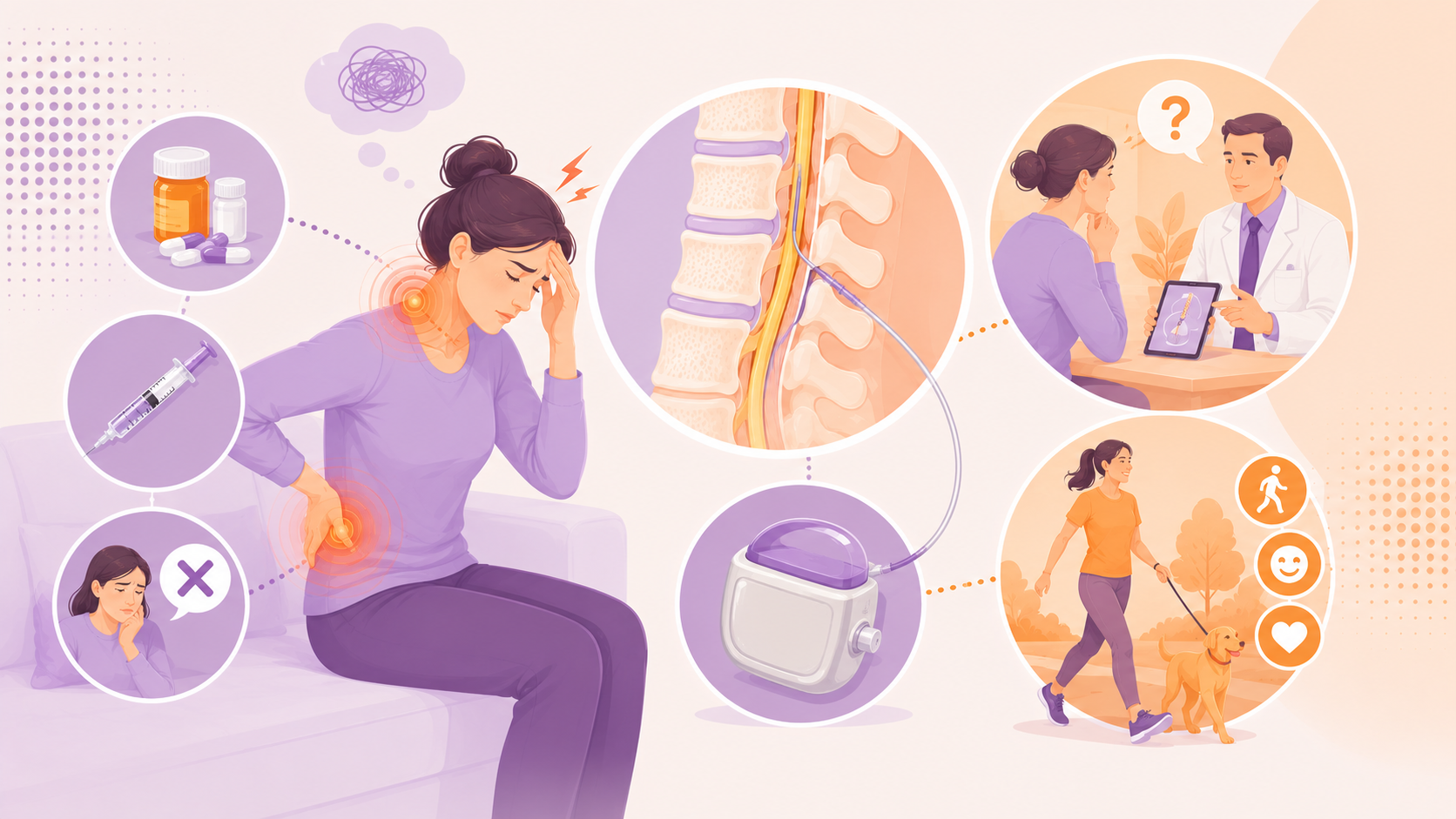
For some patients, recommendations may include activity modification, therapeutic exercise, physical therapy, medications, or other conservative strategies. NIAMS advises that treatment varies according to the cause and symptoms and notes that injections may be considered for certain types of pain, including pain traveling down a leg due to nerve compression or irritation.
When appropriate, Vertex Pain Physicians also provides interventional options. These may include epidural steroid injections for selected nerve-related pain conditions, diagnostic medial branch nerve blocks for suspected facet-related pain, and radiofrequency ablation for appropriately selected chronic pain patients.
Treatment is individualized because two people with similar-looking back pain may have different underlying causes.
When Should Back Pain Receive Prompt Medical Attention?
Most back pain is not an emergency, but certain symptoms deserve prompt assessment.
Seek medical attention when back pain occurs with symptoms such as:
- New or significant leg weakness
- Numbness or neurological changes
- Difficulty controlling urination or bowel movements
- Fever
- Unexplained weight loss
- Significant trauma or a serious fall
- Severe pain that does not improve
- New urinary symptoms
NIAMS and MedlinePlus identify neurological changes, urinary or bowel problems, fever, unexplained weight loss, and significant injury among warning features that should be discussed with a healthcare professional.
How Can a Back Pain Specialist in San Antonio Help?
If your pain keeps returning, lasts for several weeks, travels into your leg, or interferes with work, sleep, exercise, or everyday activities, a specialist can help determine what is actually generating the symptoms.
Vertex Pain Physicians provides evaluation and interventional pain management for patients throughout the San Antonio metropolitan area and surrounding communities. The practice currently lists six locations serving the region.
Rather than treating every case of lower left back pain, lower right back pain, or chronic lumbar pain the same way, the goal is to identify the likely pain generator and develop an individualized plan.
How Can You Take the Next Step Toward Back Pain Relief?
If you are searching for a back pain specialist in San Antonio, TX, or a pain management clinic in San Antonio, Vertex Pain Physicians can evaluate persistent or recurring symptoms and discuss treatment options suited to your diagnosis and health needs.
Explore our San Antonio-area locations or request an appointment to schedule an evaluation with our pain management team.
Final Thoughts
The different types of back pain can be understood by considering location, duration, pain quality, and whether symptoms stay in the back or travel into another area. Lower left back pain and lower right back pain may result from muscular, spinal, joint, disc, or nerve-related problems, but the painful side alone cannot determine the diagnosis.
If symptoms are persistent, progressive, radiating, or affecting everyday function, a clinical evaluation can help identify the source and guide the next steps in care.
What Are the Most Common Questions About Different Types of Back Pain?
1. What are the main types of back pain?
Back pain can be classified by location—upper, middle, or lower back—as well as by duration, such as acute, subacute, or chronic pain. It can also be described according to the underlying pattern, including muscular, mechanical, disc-related, joint-related, or nerve-related pain.
2. What usually causes lower left back pain?
Lower left back pain may be related to muscle strain, spinal joints, discs, or nerve irritation. Conditions outside the spine can also cause discomfort in this region, so persistent or unusual symptoms should be medically evaluated.
3. What usually causes lower right back pain?
Lower right back pain may develop from muscle overuse, spinal joint irritation, degenerative changes, disc problems, or nerve compression. The location alone cannot confirm the cause.
4. How can I tell if my back pain is muscular or nerve-related?
Muscular pain is often aching, tight, or tender and may change with movement. Nerve-related pain may feel burning, electric, shooting, numb, or tingling and can travel into the buttock or leg. A clinical examination is the best way to distinguish them.
5. Why does my left side back pain hurt when I move?
Pain that changes during bending, twisting, lifting, or certain positions can occur with musculoskeletal or mechanical problems. However, movement-related pain is not enough on its own to establish a diagnosis.
6. Why does lower back pain on the right side travel into my leg?
Pain traveling from the lower back into a leg can occur when a lumbar nerve becomes irritated or compressed. Sciatica is one common symptom pattern associated with this type of radiating pain.
7. How long should back pain last before I see a doctor?
Consider medical evaluation if your pain is severe, progressively worsening, repeatedly returns, or does not improve after several weeks. Seek care sooner if neurological symptoms or other warning signs develop.
8. What is the difference between acute and chronic back pain?
Acute pain generally lasts from a few days to a few weeks. Subacute pain lasts 4 to 12 weeks, while chronic back pain continues beyond 12 weeks.
9. When should I see a back pain specialist in San Antonio, TX?
Consider seeing a specialist when back pain persists despite initial care, repeatedly interferes with everyday activities, radiates into a leg, causes numbness or weakness, or requires a more detailed diagnosis and treatment plan.
10. Can a pain management clinic treat chronic back pain without surgery?
Depending on the diagnosis, pain management may include conservative care as well as minimally invasive procedures such as injections, nerve blocks, radiofrequency techniques, or neuromodulation. The most appropriate approach depends on the specific source of the pain and the individual patient’s needs. Vertex Pain Physicians offers multiple interventional treatment options for acute and chronic pain conditions.
Medical Disclaimer
This information is for educational purposes only and does not replace professional medical advice, diagnosis, or treatment.
Seek evaluation from a qualified healthcare professional for persistent, severe, worsening, or concerning back pain symptoms.