What Are the Benefits of Implantable Pain Pump Therapy for Chronic Pain?
Living with chronic pain can affect almost every part of daily life. It can make walking, sleeping, working, traveling, and spending time with family more difficult. For some patients, oral medications, injections, therapy, and other conservative treatments may not provide enough long-term relief.
That is where advanced interventional options such as implantable pain pump therapy may help. Also known as intrathecal pain pump therapy or targeted drug delivery, this treatment is designed to deliver medication directly near the spinal cord, where many pain signals travel.
At Vertex Pain Physicians, our pain management specialists in San Antonio, TX, focus on identifying the source of acute and chronic pain and creating personalized treatment plans. For carefully selected patients, an intrathecal pain pump may be one option to help improve comfort, function, and quality of life.
What Is Implantable Pain Pump Therapy?
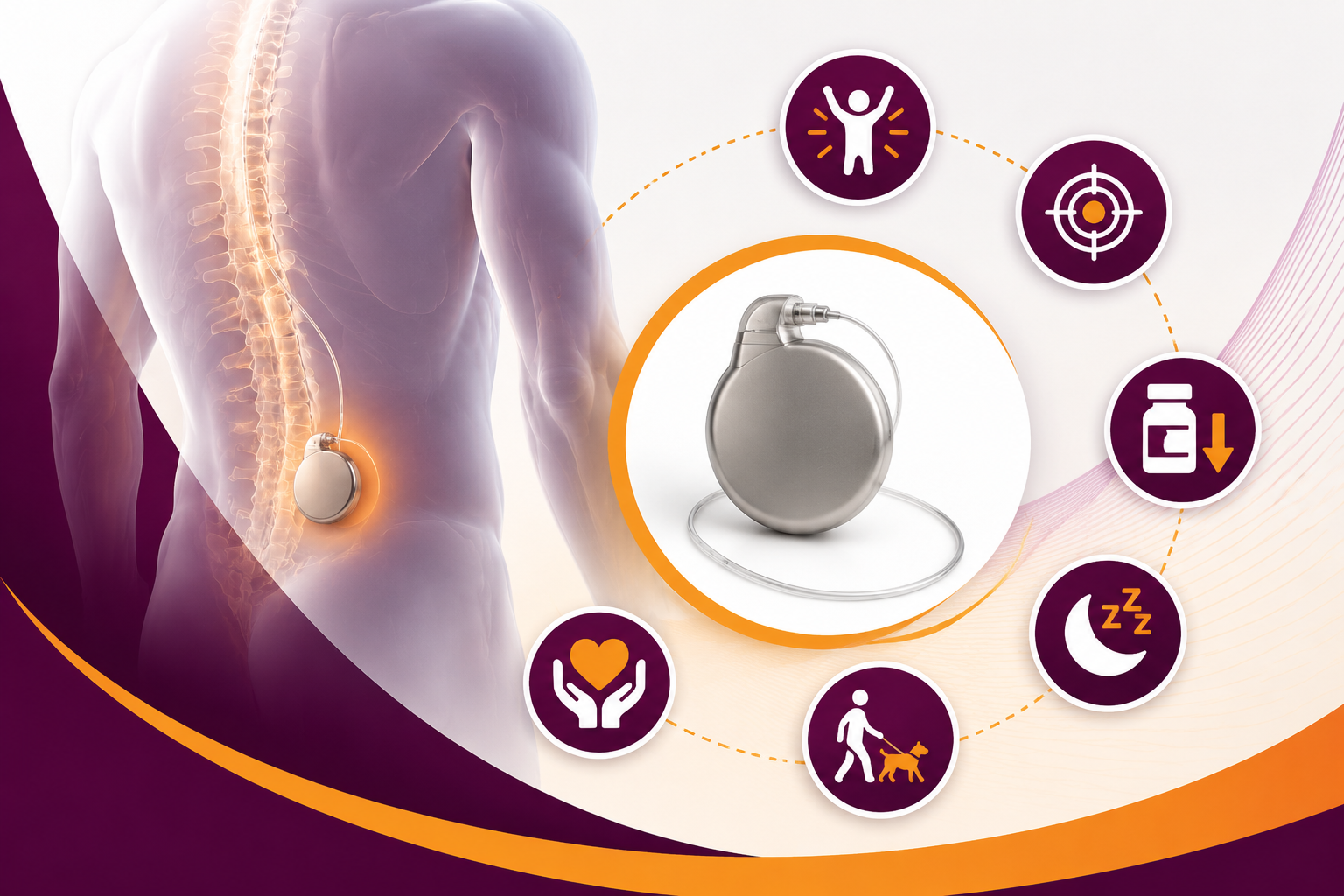
Implantable pain pump therapy is a pain management treatment that uses a small medical device placed under the skin, usually in the abdomen. The pump is connected to a thin catheter that delivers medication into the intrathecal space, which is the fluid-filled area around the spinal cord.
Because the medication is delivered closer to the pain pathways, the body may need a much smaller dose compared to many oral medications. This targeted approach is one of the main reasons patients and pain doctors may consider pain pump therapy for chronic pain.
How Does an Intrathecal Pain Pump Work?
An intrathecal pain pump works by releasing a programmed amount of medication into the spinal fluid. The medication then acts near the spinal cord to help interrupt or reduce pain signaling.
The pump is adjusted by a pain management specialist based on the patient’s diagnosis, response to treatment, medication tolerance, and overall care goals. It also requires regular refill appointments, where the provider refills the medication reservoir and monitors the device.
Who May Benefit From Pain Pump Therapy for Chronic Pain?
Pain pump therapy is not the first treatment for most chronic pain conditions. It is generally considered when pain is severe, persistent, and not well controlled with other treatments.
Patients who may be evaluated for implantable pain pump therapy may include those with:
- Severe chronic back pain
- Cancer-related pain
- Post-surgical back pain
- Neuropathic pain
- Spinal stenosis-related pain
- Complex spine-related pain
- Pain that has not responded well to conservative care
- Pain that requires high medication doses or causes difficult side effects
At Vertex Pain Physicians, patients receive an individualized evaluation before any advanced treatment is recommended. The goal is not only to reduce pain, but also to support better mobility, function, and day-to-day comfort.
Key Benefits of Implantable Pain Pump Therapy
The benefits of implantable pain pump therapy can vary from patient to patient. However, for the right candidate, this treatment may offer several important advantages.
1. Targeted Pain Relief
One of the biggest intrathecal pain pump benefits is targeted delivery. Instead of medication traveling through the entire body first, the pump delivers treatment closer to the spinal cord.
This may help patients with severe or complex pain receive more focused pain control. For people who have struggled with chronic pain for months or years, targeted relief may make everyday activities more manageable.
2. Lower Medication Dose Compared to Oral Medication
Because medication is delivered directly into the spinal fluid, many patients may need a much smaller dose than they would with oral or IV medication. This does not mean the treatment is risk-free, but it may reduce the amount of medication circulating through the rest of the body.
For patients who have difficulty tolerating higher doses of oral medication, this can be an important benefit. It may also help patients who need long-term pain management but want a more controlled medication delivery method.
3. May Reduce Systemic Side Effects
Oral pain medications travel through the digestive system and bloodstream before reaching the nervous system. This can sometimes lead to side effects such as drowsiness, nausea, constipation, confusion, or other medication-related problems.
Intrathecal pain pump therapy may reduce certain systemic side effects because the medication is delivered in a more targeted way. However, side effects can still occur, and patients must be monitored closely by trained chronic pain specialists in San Antonio, TX.
4. Personalized and Programmable Treatment
Another benefit of implantable pain pump therapy is that the pump can be programmed. Your pain doctor can adjust the medication dose based on your pain level, response, and treatment goals.
This makes the therapy more personalized than a fixed medication schedule. If your pain changes over time, your provider may be able to modify the pump settings during follow-up visits.
5. Potential Support for Better Daily Function
Chronic pain can limit movement and reduce independence. When pain is better controlled, some patients may find it easier to participate in physical therapy, walk longer distances, sleep more comfortably, or return to daily routines.
Pain pump therapy is not designed to “cure” chronic pain. Instead, it may help reduce pain intensity enough to improve quality of life and support a broader care plan.
6. Helpful for Complex or Severe Pain Conditions
Patients with advanced pain conditions may not respond well to standard treatments alone. This can include certain cases of cancer pain, post-surgical back pain, neuropathic pain, or severe spine-related pain.
For these patients, pain pump therapy for chronic pain may be considered as part of an advanced interventional pain management plan. At Vertex Pain Physicians, treatment decisions are based on the patient’s condition, medical history, previous treatments, and long-term goals.
7. May Help Patients Seeking Alternatives to Long-Term Oral Medication
Many people search for chronic pain treatment without opioids because they are concerned about long-term medication use, dependency risks, or side effects. It is important to understand that implantable pain pumps are not always opioid-free.
Some pain pumps may use opioid medication, non-opioid medication, or a combination, depending on the patient’s condition and the provider’s recommendation. However, because the therapy is targeted, it may reduce the need for higher-dose oral pain medication in some patients.
A pain management clinic in San Antonio, TX, can help determine whether this treatment fits your goals and whether non-opioid or lower-systemic medication strategies may be appropriate.
What Happens Before Getting an Intrathecal Pain Pump?
Before a permanent pump is implanted, patients usually go through a careful screening process. This may include a medical history review, physical exam, imaging review, medication assessment, and discussion of previous treatments.
The Trial Phase
Many patients complete a trial before receiving a permanent implant. During the trial, medication is delivered near the spinal cord temporarily to see whether it provides meaningful pain relief.
If the trial is successful and the patient is a good candidate, the provider may discuss permanent implantation.
The Implant Procedure
During the procedure, the pump is placed under the skin and connected to a catheter. The pump is then programmed to deliver medication at a controlled rate.
After implantation, patients attend follow-up visits for monitoring, dose adjustments, and refills. Long-term success depends on ongoing communication with the care team.
Are There Risks With Pain Pump Therapy?
Yes. Like any implanted medical device or procedure, pain pump therapy has potential risks. These may include infection, bleeding, catheter problems, pump malfunction, medication side effects, withdrawal symptoms if medication delivery is interrupted, or the need for revision surgery.
This is why patient selection, proper implantation, regular follow-up, and experienced pain management oversight are essential. A qualified interventional pain management specialist in San Antonio can review the risks and benefits based on your specific condition.
Why Choose Vertex Pain Physicians for Chronic Pain Management in San Antonio?
Vertex Pain Physicians. provide comprehensive pain management services in San Antonio and surrounding communities. As the practice grows, Vertex is also expanding care through new staff, new locations, and additional service areas.
Patients can receive care for many acute and chronic pain conditions, including back pain, neck pain, sciatica pain, sacroiliac joint pain, neuropathic pain, cancer pain, spinal stenosis, degenerative disc disease, and post-surgical back pain.
In addition to Intrathecal Pump Implant/Targeted Drug Delivery, Vertex Pain Physicians offers advanced treatments such as Epidural Steroid Injection, Medial Branch Nerve Blocks, Radiofrequency Ablation, Joint Injections, Sacroiliac Joint Injections, Trigger Point Injections, Spinal Cord Stimulation, Peripheral Nerve Stimulation, Balloon Kyphoplasty, and the minimally invasive lumbar decompression mild® Procedure.
The goal is to create a treatment plan that matches the patient’s pain source, lifestyle, and long-term health needs. Contact us today!
FAQs About Implantable Pain Pump Therapy
Is implantable pain pump therapy only for back pain?
No. Pain pump therapy may be used for several types of severe chronic pain, including cancer pain, neuropathic pain, post-surgical pain, and complex spine-related pain. A pain doctor must evaluate whether it is appropriate for your condition.
Is an intrathecal pain pump the same as spinal cord stimulation?
No. A pain pump delivers medication near the spinal cord, while spinal cord stimulation uses electrical impulses to modify pain signals. Both are advanced pain treatments, but they work differently and are recommended for different patient needs.
Can a pain pump help reduce oral pain medication?
In some cases, yes. Because medication is delivered directly near the spinal cord, some patients may need lower oral medication doses. However, this depends on the patient’s condition, medication plan, and response to treatment.
Is pain pump therapy a chronic pain treatment without opioids?
Not always. Some pumps may use opioid medication, while others may involve non-opioid options or combinations. Your provider can explain which medication strategy is appropriate for your diagnosis and goals.
How often does a pain pump need to be refilled?
Refill timing depends on the medication, dose, pump size, and treatment plan. Patients must attend scheduled refill visits to keep the pump working safely and effectively.
Medical Disclaimer
This article is for educational purposes only and should not be used as a substitute for professional medical advice, diagnosis, or treatment. Always consult a qualified healthcare provider to discuss your symptoms and determine whether radiofrequency ablation is appropriate for your condition.
Conclusion
Implantable pain pump therapy can offer meaningful benefits for carefully selected patients with severe chronic pain. By delivering medication directly near the spinal cord, it may provide targeted relief, lower medication exposure throughout the body, reduce certain side effects, and support better daily function.
However, this treatment is not right for everyone. It requires a detailed evaluation, careful monitoring, and ongoing follow-up with an experienced pain management team.
If you are looking for pain management in San Antonio, TX, Vertex Pain Physicians. can help you explore advanced treatment options for chronic pain. Call 210-545-0087 or connect online to schedule an appointment, refer a patient, or learn how Vertex Pain Physicians can support your care.
Medical Disclaimer
This content is for educational purposes only and should not replace professional medical advice, diagnosis, or treatment. Always consult a qualified healthcare provider to discuss your symptoms, treatment options, and whether implantable pain pump therapy is appropriate for you.